Bắc Ninh: Quan Họ Singing, Pagodas, and the Old Kinh Bắc
Travel guide · editorialBắc Ninh is the heartland of the ancient Kinh Bắc region, birthplace of many of Vietnam's scholars, poets, and folk songs. Today international electronics companies build their smartphones here, yet between the factory halls you'll find centuries-old pagodas and craft villages. From Hanoi, a trip to Bắc Ninh makes a rewarding day trip into the history of northern Vietnam.
From the Plain to the Yên Tử Hills
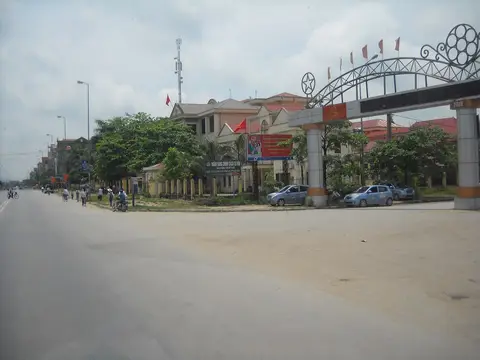
The province lies immediately northeast of Hanoi. Since the 2025 administrative reform, the former Bắc Giang Province has been part of it, and the city of Bắc Giang serves as the administrative seat. The south, the old Bắc Ninh, is flat delta country with rice paddies, ponds, and densely populated villages around Từ Sơn, Yên Phong, and Quế Võ. To the north and east, the land rises into the hills of Lục Ngạn and the western flank of the Yên Tử mountains. The Cầu River, often celebrated in folk songs, runs through the region.
Sights in Bắc Ninh
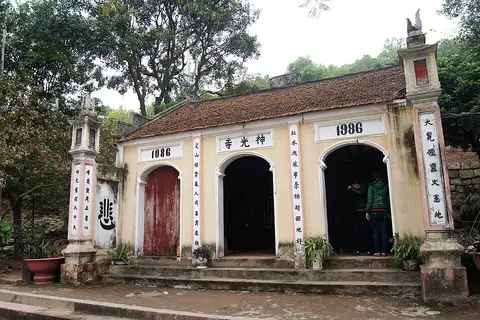
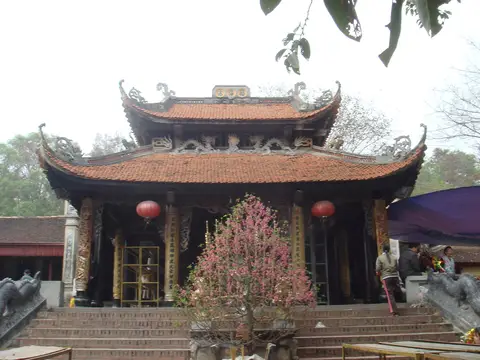
The Dâu Pagoda near Thuận Thành is considered one of the oldest in Vietnam; it was here, almost 2,000 years ago, that Buddhism began to spread across the country. The nearby Bút Tháp Pagoda houses a famous 17th-century wooden statue of the thousand-armed Guanyin. In Đình Bảng near Từ Sơn stands the Đô Temple, dedicated to the eight kings of the Lý dynasty, whose founder Lý Công Uẩn came from here and moved the capital to Thăng Long, present-day Hanoi, in 1010. The Phật Tích Pagoda preserves a Buddha statue from the Lý era. In the village of Đông Hồ, traditional woodblock prints are made on paper from tree bark, with colors derived from seashell lime and plants. In the north, near Yên Dũng and Lục Nam, lies the Vĩnh Nghiêm Pagoda, where woodblocks for printing Buddhist scriptures are kept; they are recognized as UNESCO Memory of the World documents.
Quan Họ and Festivals
The Quan Họ love songs have been on UNESCO's list of Intangible Cultural Heritage since 2009. Groups of men and women from different villages sing to one another in alternating verses, often from a boat on a pond. At the Lim Festival in the first lunar month, shortly after Tết, you can see singers in traditional costumes and flat, wide-brimmed hats on Hồng Vân Hill. Many villages also hold their own temple festivals with swings, wrestling matches, and cooking contests.
Food and Drink
Typical specialties include bánh phu thê, a wedding cake made of tapioca and mung beans wrapped in leaf packets, and bánh khúc, sticky rice balls with herbs. The country's best lychees come from Lục Ngạn; in June they pile up in great quantities at the markets and are exported as well. In Bắc Giang, mì Chũ is well known, a dried rice noodle served stir-fried or in soup. Other regional classics include the grilled sausages and fermented pork from the delta.
Getting There and Best Time to Visit
Bắc Ninh is only about 30 kilometers (19 miles) from Hanoi's Nội Bài Airport and can be reached in just under an hour via the expressway toward Lạng Sơn; trains to Lạng Sơn also stop here. To visit the pagodas, a rental car with a driver is a good idea. The best time to visit is in spring, when the festivals take place, and from October to December. In June, a visit during the lychee harvest is worthwhile.