Discovering Kinh Bắc: Quan họ Singing and Ancient Pagodas
Travel guide · editorialKinh Bắc, the heart of the old city of Bắc Ninh, is considered the cradle of Vietnamese culture: this is where the first dynasties, famous pagodas, and the call-and-response singing known as Quan họ originated. A trip to Kinh Bắc makes an easy day trip from Hanoi and shows you traditional northern Vietnam beyond the capital.
Land of the Lý Emperors
The name Kinh Bắc once referred to the entire region north of the capital, Thăng Long. Lý Công Uẩn, who founded the Lý dynasty in 1009 and made Hanoi the capital, came from the village of Đình Bảng. For centuries, Kinh Bắc was a center of scholarship and Buddhism. In recent decades the picture has changed dramatically: large industrial parks, including factories run by electronics corporations, have made Bắc Ninh one of the most economically dynamic provinces in the country. With the 2025 administrative reform, the neighboring province of Bắc Giang was merged in, and the city's urban districts are now called Kinh Bắc, Võ Cường, Vũ Ninh, and Nam Sơn.
Sights in Kinh Bắc and Around
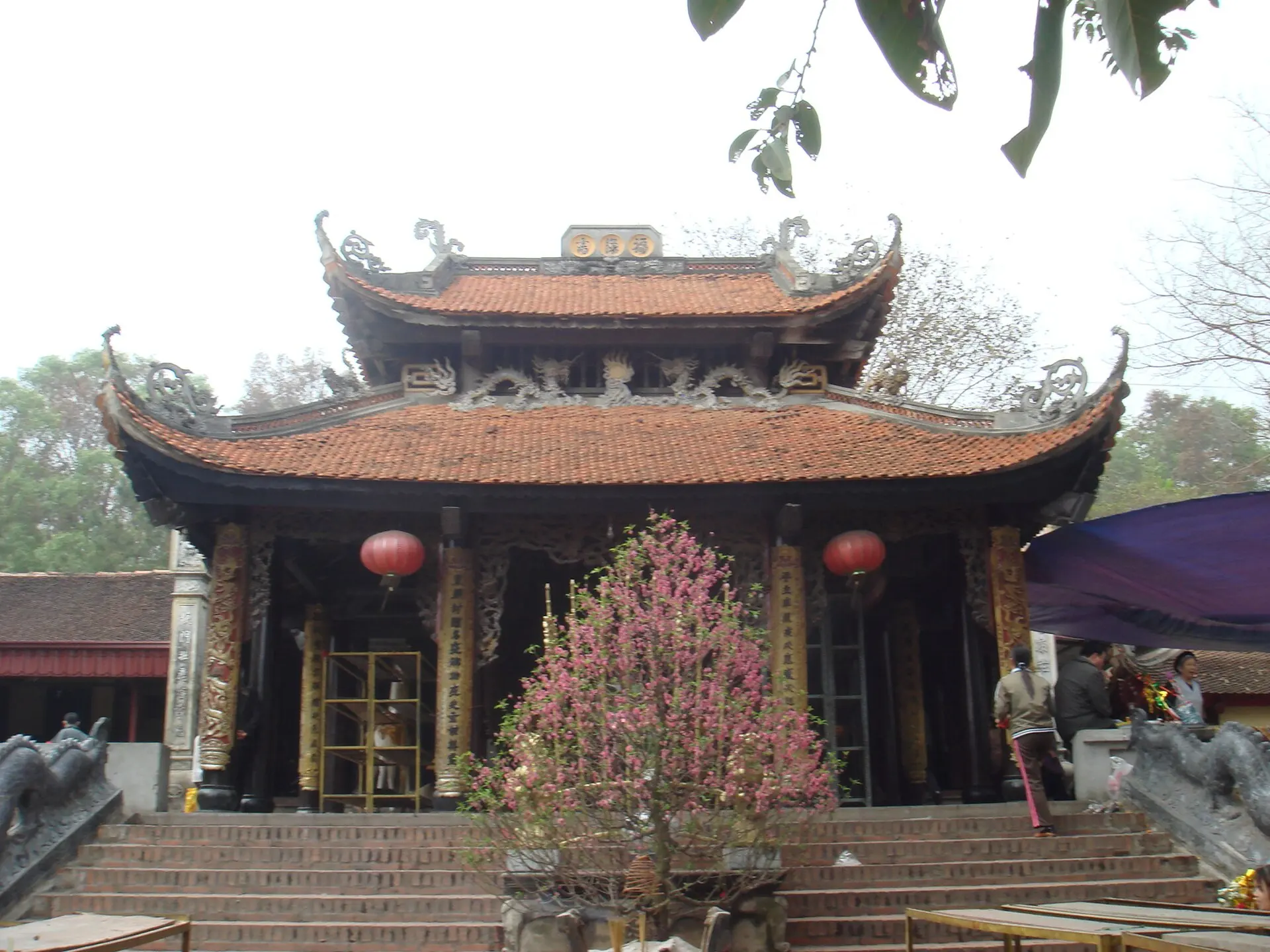
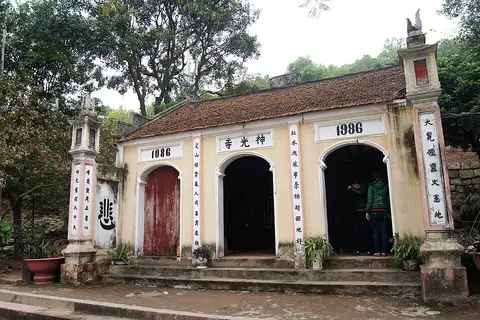
In the village of Đình Bảng you'll find the Đền Đô, a temple dedicated to the eight emperors of the Lý dynasty, with a lotus pond, carved wooden halls, and stone dragons. Right next to it stands the 18th-century Đình Bảng communal house, one of the most beautiful wooden structures in northern Vietnam. The Bút Tháp Pagoda houses a famous statue of the thousand-armed Guanyin, and the Dâu Pagoda is considered one of the oldest Buddhist sites in the country. On Lim Hill, on the edge of the city, the great Lim Festival is celebrated every year shortly after Tết. In the city center itself, the remains of the old citadel, lakes, and parks invite you to take a stroll. One particularly interesting stop is the Temple of Scholars of Bắc Ninh, which commemorates the region's many examination graduates – in feudal times, Kinh Bắc produced more doctoral laureates than almost any other province.
Quan họ: Songs Across the River
Bắc Ninh is the home of Quan họ, a call-and-response singing tradition in which groups of men and women answer one another with improvised love songs. The female singers wear dresses in shades of brown and indigo and flat, round hats. In 2009, UNESCO recognized the singing as intangible cultural heritage. The best time to experience it is at the Lim Festival in spring, when songs are sung on boats and in pagoda courtyards, or at evening performances in the villages.
Food and Craft Villages
The region is known for bánh phu thê, small wedding cakes made of sticky rice, and bánh khúc, sticky rice dumplings with herbs. Numerous craft villages lie around Bắc Ninh: in Đông Hồ, traditional woodblock prints are made on paper from tree bark and sold at Tết; Đồng Kỵ produces carved furniture, and Phù Lãng is known for glazed ceramics. Restaurants in Kinh Bắc serve northern Vietnamese cuisine featuring fish, duck, and bún, and in the evening locals gather at street food stalls in the city center.
Getting There and Best Time to Visit
Bắc Ninh is only about 35 kilometers (22 miles) northeast of Hanoi; the drive on the expressway takes around an hour. Nội Bài Airport is a similar distance away. Buses run several times an hour, and the rail line to Lạng Sơn also stops in the city. The best time to visit is between October and April, especially the weeks after Lunar New Year, when festivals such as the Lim Festival take place.