Discover Nha Trang: Bay, Islands, and Cham Towers
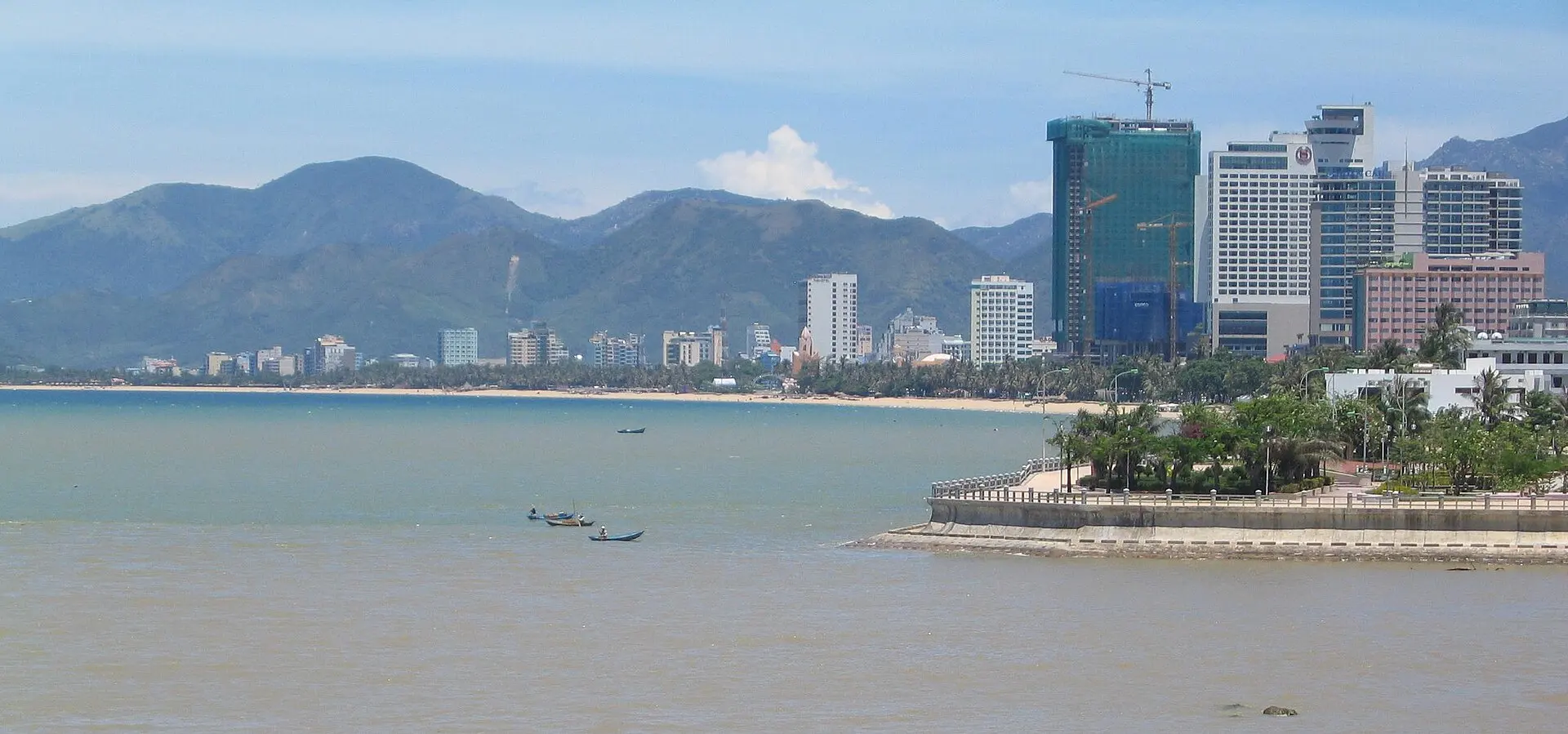
Travel guide · editorialA four-mile-long city beach, a bay full of islands, and temple towers that have stood for over a thousand years above the river mouth: Nha Trang is Vietnam's best-known beach destination. A vacation in Nha Trang combines beach days with scuba diving, mud baths, and fresh seafood.
From Cham Sanctuary to Beach Resort
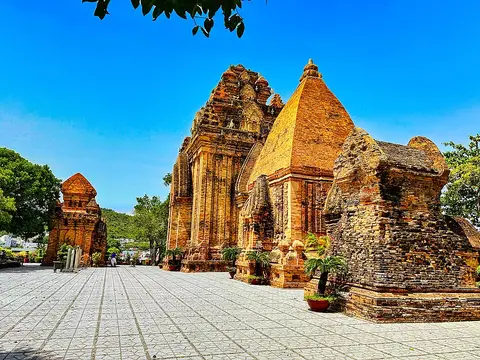
Long before the Vietnamese settled the area, the region belonged to the Kingdom of Champa. On a hill at the mouth of the Cái River, the Cham built a sanctuary for the goddess Po Nagar, which still serves as a pilgrimage site today. In the 17th century, the area came under Vietnamese rule. The French appreciated the climate and the bay; in 1895, Alexandre Yersin founded a Pasteur Institute here, where he researched vaccines, among other things. During the Vietnam War, American troops used the region as a rest-and-recreation destination and the nearby natural harbor of Cam Ranh as a base. Since the 2000s, Nha Trang has grown into a hotel city with high-rises along the coast, especially popular with vacationers from Russia, South Korea, and China.
Sights in Nha Trang
The Po Nagar Towers, dating from the 8th to the 13th century, are the city's oldest structure; in the main tower, the many-armed goddess sits enthroned, and worshippers bring incense sticks and fruit. In the middle of the city, the Long Sơn Pagoda sits on a hill with a large white Buddha gazing out over the sea of rooftops. The neo-Gothic cathedral, built of concrete blocks, stands on a rock near the train station. The small Yersin Museum displays the researcher's study, instruments, and letters. The oceanographic institute in the harbor district of Cầu Đá shows the region's marine life in aquariums and preserved specimens, including a whale skeleton. From there, it's not far to Bảo Đại's villas on a headland, former summer residences of the last emperor.
Beaches and Islands
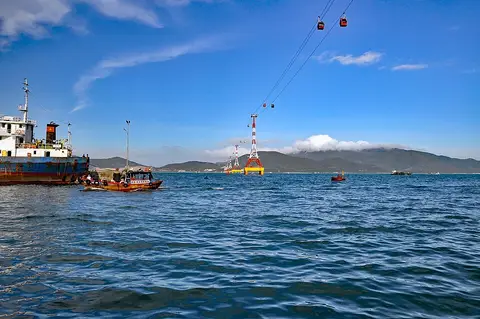
The city beach along Trần Phú Street is wide and well kept, with lounge chairs, palm trees, and a promenade where locals practice tai chi in the morning. To the north, at Hòn Chồng beach, you'll find bizarre granite rock formations. The bay itself is a marine protected area: boat tours lead to islands such as Hòn Mun, where divers and snorkelers can see coral, anemonefish, and rays. On Hòn Tre Island there is a large amusement park, reachable by cable car or by boat. You'll find quieter beaches on the Ninh Vân Peninsula and in Bãi Dài Bay south of the city.
Eating in Nha Trang
Fish and seafood dominate the cuisine. Typical dishes include Bún chả cá, a noodle soup with fish cakes, and Bánh căn, small rice cakes with egg or squid. Nem nướng Ninh Hòa, grilled pork sausages that you roll up yourself in rice paper, comes from a town nearby. At the stalls in the harbor and in fish restaurants on the beach, lobster, sea urchin, and mussels are prepared straight from the tanks. At the Đầm Market, a round concrete building, you can buy dried squid, fish sauce, and fruit. Thanks to the many visitors, restaurants in Nha Trang also serve Russian, Korean, and European food.
Wellness and Nightlife
A classic are the mud baths north of the city, where you soak in warm mineral mud and then relax in thermal pools. In the evening, the bars along the beachfront promenade and in the side streets around Biệt Thự Street fill up. At the night market near the city beach, you'll find souvenirs, snacks, and fruit shakes. If you prefer something quieter, settle in on a rooftop terrace and watch the fishing boats with their lights out on the bay.
Getting There and Best Time to Visit
Cam Ranh International Airport is about 22 miles to the south; buses and taxis take around 40 minutes to reach the center. Nha Trang is a stop on the North-South Railway, and long-distance buses run to Dalat, Ho Chi Minh City, and Hội An. In the city, taxis, Grab, or a bicycle are all you need. The best time to visit for the beach is between January and August, when the sea is calm and the weather is sunny. From October to December, the northeast monsoon brings heavy rainfall and occasionally typhoons. A lovely excursion leads into the mountains to Dalat; the route over the Hòn Giao Pass is among the most impressive roads in southern Vietnam.