Discover Tallahassee: Oak-Lined Roads and the Capitol
Travel guide · editorialIf you think of Florida only as beaches and theme parks, Tallahassee will surprise you: gentle hills, oaks draped in Spanish moss, and old plantation roads shape the capital in the northern part of the state. A trip to Tallahassee reveals the Florida of the Deep South – with college-town flair, politics, and unspoiled nature.
A Capital Halfway Between
In 1824, Tallahassee was chosen as the capital of the Florida Territory because it lay exactly midway between the two main centers of the time, St. Augustine and Pensacola. The name comes from the Muskogee language and probably means "old fields." The Apalachee had lived here long before; in 1539, the Spanish conquistador Hernando de Soto wintered in the area – probably the first Christmas celebrated on what is now U.S. soil. Tallahassee was the only Confederate capital east of the Mississippi that was not captured during the Civil War.
Sights in Tallahassee
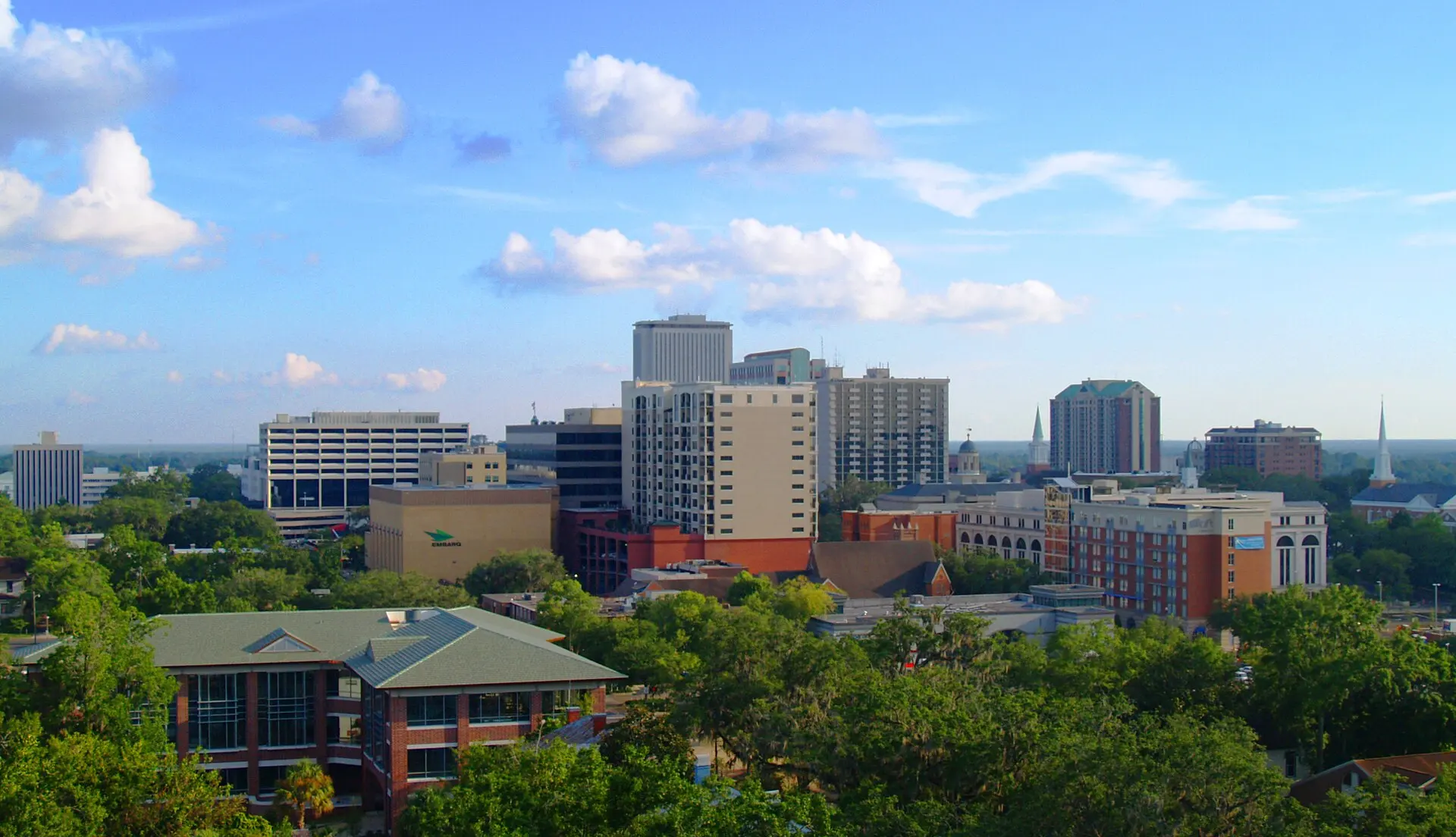
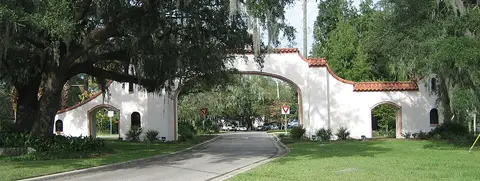
The Old Capitol from 1845, with its red-and-white striped awnings, is now a museum; right behind it rises the modern high-rise Capitol, whose 22nd floor offers views over the wooded surroundings. Mission San Luis reconstructs a 17th-century Spanish mission settlement with an Apalachee council house. The Museum of Florida History displays, among other things, a mastodon skeleton from a nearby spring. The Alfred B. Maclay Gardens burst into bloom with azaleas and camellias in spring. The Canopy Roads, country roads arched over by oaks, are among the most beautiful drives in Florida.
Eating and Going Out in Tallahassee
The cuisine is more Southern than Caribbean: fried chicken, grits, collard greens, and pecan pie share the table with fresh oysters from Apalachicola Bay. College Town near Florida State University and Gaines Street in the Railroad Square Art District make up the nightlife area, with bars, breweries, and galleries; on the first Friday of the month, the studios there open their doors. On football Saturdays, the city turns into a sea of garnet and gold when the Seminoles play. Florida A&M University is known for its famous marching band.
Museums and Research in Tallahassee
The Tallahassee Museum is a mix of open-air museum and nature park, with historic farmhouses, native animals such as Florida panthers and red wolves, and a treetop ropes course. The Historic Capitol Museum tells the story of elections and the state constitution, including the disputed presidential election of 2000. At Florida State University, the National High Magnetic Field Laboratory conducts research and regularly holds an open house. The Riley House Museum is devoted to African American history, and Lake Jackson Mounds Archaeological State Park preserves the earthen mounds of an Indigenous settlement.
Getting Around Tallahassee and Day Trips
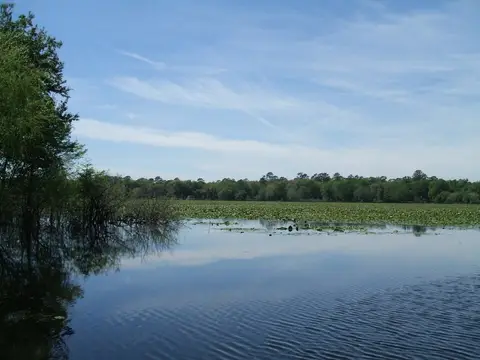
Tallahassee International Airport lies southwest of the city and offers connections to hubs such as Atlanta and Charlotte. StarMetro buses serve the city, but for day trips a car is a good idea. The best times to visit are spring and fall; summer is hot and thunderstorm-prone. South of the city lies Wakulla Springs State Park, home to one of the largest freshwater springs in the world, where manatees, alligators, and waterbirds live. The beaches of the Forgotten Coast near St. George Island and the fishing town of Apalachicola are about an hour and a half away.