Discover Savannah: Squares, Spanish Moss, and the Riverfront
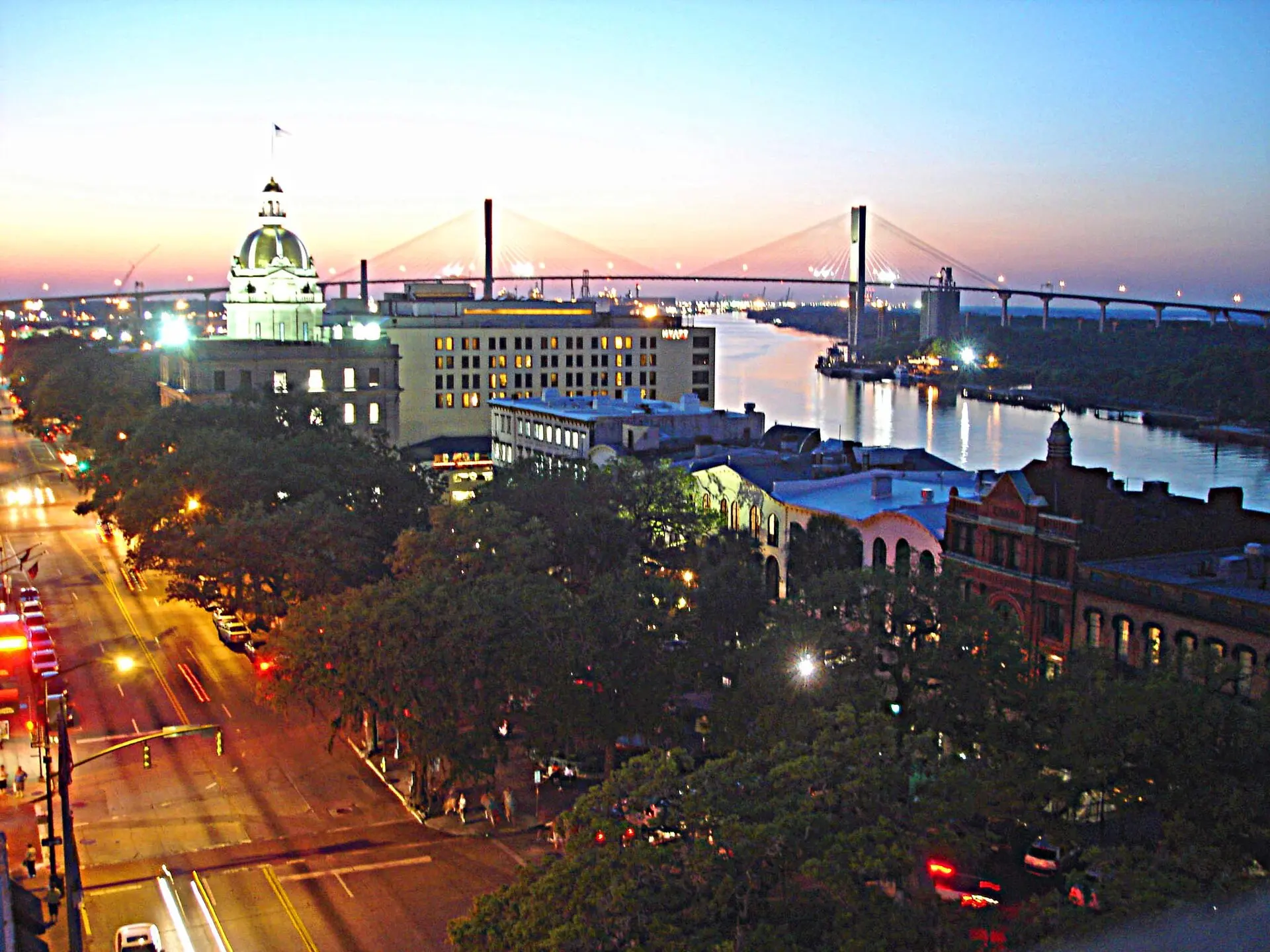
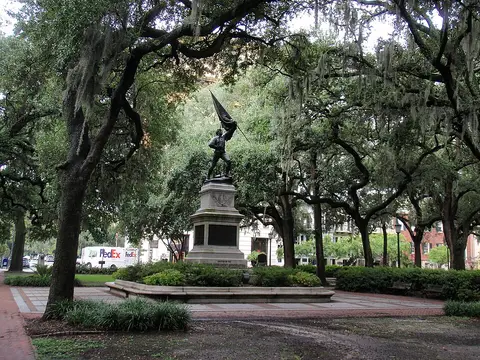
Travel guide · editorialBeneath mighty oaks draped with gray beards of Spanish moss, a new green square opens up every few blocks—Savannah was laid out according to a plan that still amazes visitors today. A city trip to Savannah takes you to one of Georgia's oldest cities, with grand Southern mansions, ghost stories, and a lively riverfront.
Georgia's First City
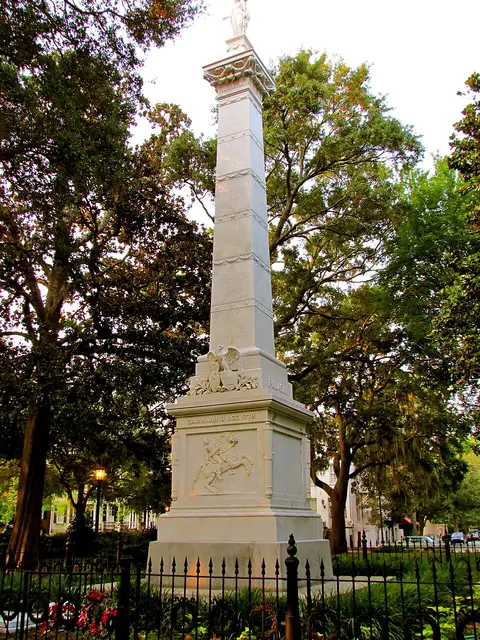
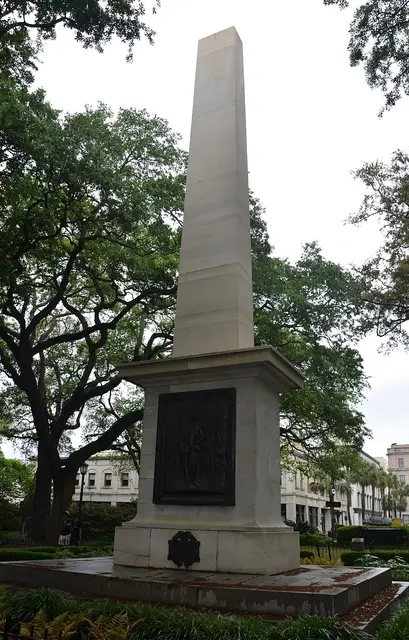
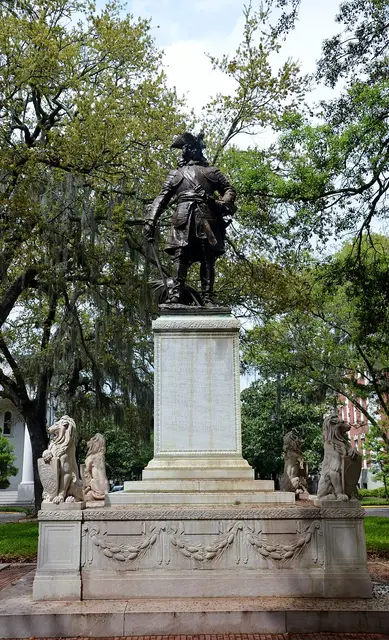
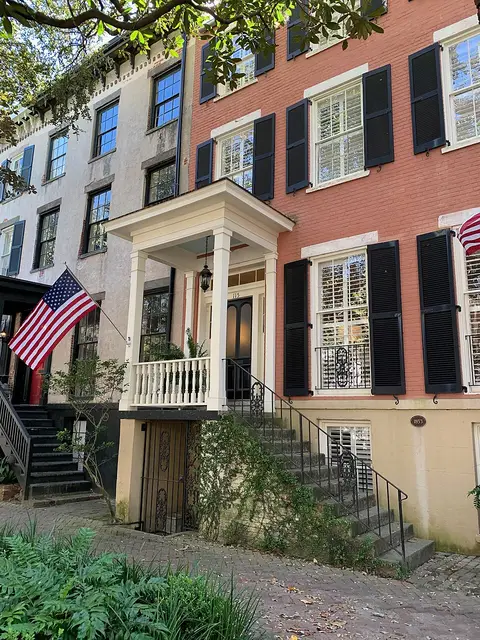
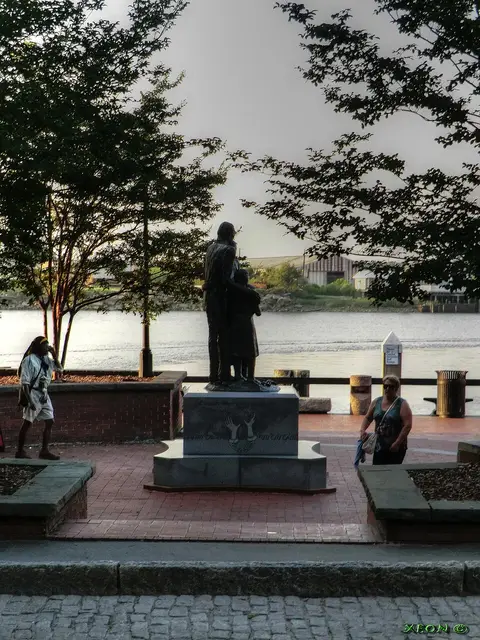
In 1733, General James Oglethorpe landed on the Savannah River with a group of settlers and founded the colony of Georgia. His city plan called for a grid of residential blocks arranged around squares; of the original 24 squares, 22 survive today. Cotton made Savannah wealthy in the 19th century—at the expense of enslaved people, who are commemorated by the African American Monument on the riverfront. During the Civil War, General Sherman spared the city and presented it to President Lincoln "as a Christmas gift." In the 1950s, local women saved threatened buildings from demolition, laying the foundation for one of the largest urban historic districts in the United States.
Things to See in Savannah
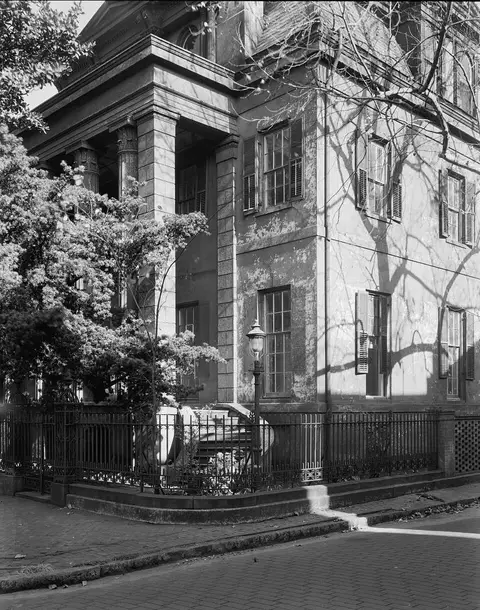
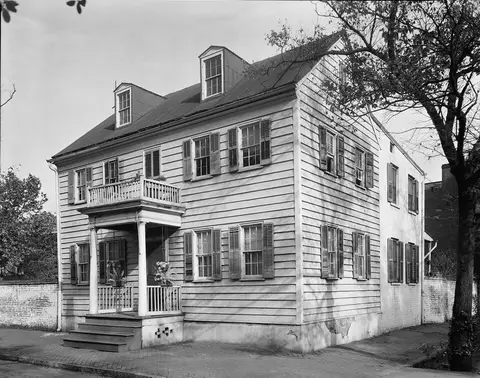
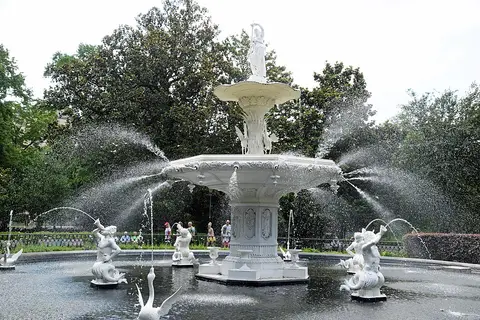
The Savannah Historic District is best explored on foot: from Chippewa Square, where the bench scene in "Forrest Gump" was filmed, to Madison Square and on to Forsyth Park with its white fountain. The Mercer-Williams House became famous through the novel "Midnight in the Garden of Good and Evil." The Cathedral of St. John the Baptist impresses with its twin spires. In addition to elegant rooms, the Owens-Thomas House also shows the quarters of the enslaved. The Savannah College of Art and Design runs the SCAD Museum of Art and fills the city with student life. At Bonaventure Cemetery, with its angel statues beneath oak canopies, you come closest to the melancholy of the South.
Eating and Going Out in Savannah
Lowcountry cuisine means shrimp and grits, crab stew, fried chicken, and pecan pralines. Many restaurants serve family-style at large tables, and there are seafood spots along the water. River Street, with its old cotton warehouses, is lined with bars and pubs, and Savannah allows open-container drinking from plastic cups within the historic district. On St. Patrick's Day, the city hosts one of the largest parades in the United States.
Ghost Stories and Guided Tours
Savannah is considered one of the most haunted cities in America, and in the evenings groups with lanterns wander through the squares. Popular options include tours of Colonial Park Cemetery, rides in converted hearses, and walks to supposedly haunted houses. If you prefer history, book a tour of African American history, for example to the First African Baptist Church, one of the oldest Black congregations in North America; the holes in its wooden floor are often interpreted as air holes for fugitives hiding beneath. Carriage rides through the Historic District are also a classic.
Getting Around Savannah and the Best Time to Visit
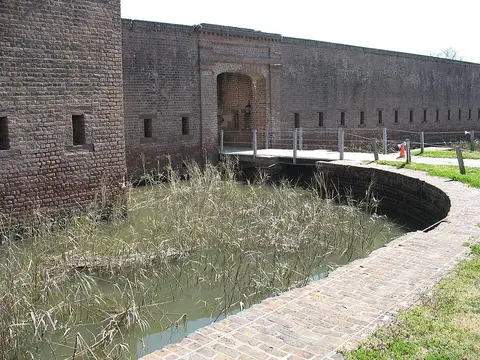
Savannah/Hilton Head International Airport is about 20 minutes to the northwest. Free shuttle buses run through the center, and a ferry crosses to Hutchinson Island. The best time to visit is spring, when the azaleas bloom, as well as fall; summer is hot and humid. Excursions lead to Tybee Island, with its Atlantic beach and lighthouse, to Fort Pulaski National Monument, and to the Wormsloe Historic Site with its famous avenue of oaks.