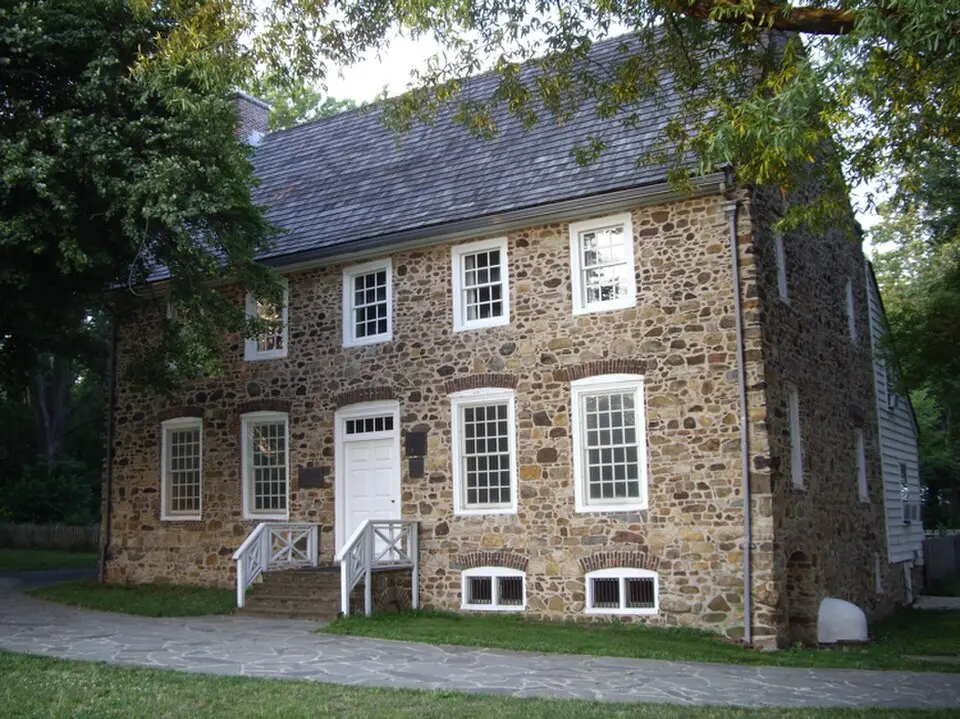
About The Conference House
The Conference House, also known as the Billop House, is a historic stone house in the Tottenville neighborhood of Staten Island in New York City. It was built by Captain Christopher Billopp, who came to America in 1674 after years of service in the Royal Navy and received a large estate at the southernmost point of what is now New York State. Archaeological finds show that the area was used as a camping and burial site by the Raritan band of the Lenape even before European settlement. According to historical maps, the building itself already existed before 1680. Over time the estate grew, and the house was passed down to Billopp's descendants, including Colonel Christopher Billop, who commanded Loyalist troops during the American Revolutionary War.
The site is of great historical significance as the setting of the Staten Island Peace Conference on September 11, 1776. Here Colonel Billop hosted representatives of the Continental Congress, including Benjamin Franklin and John Adams, as well as Lord Howe, the commander in chief of the British forces. The aim was to bring the young war for independence to a swift end through negotiations. The three-hour meeting failed, however, because the American delegates rejected the British offer, and the war dragged on for another seven years. The strategic location at Ward's Point, then called Billop's Point, also served as a staging point for military operations during the war, such as the raid on New Jersey in 1779.
After the war, the house was confiscated by the State of New York and fell into obscurity in the 19th century, at times serving as a hotel and a rat poison factory. It was not until 1926 that the city bought the building to save it from demolition and laid out Conference House Park. A nonprofit organization took over the restoration, which was completed in 1937 and included new roofs, steps, and the repair of the old well. Today the house is a National Historic Landmark and part of the Ward's Point Conservation Area. You can tour the restored building in the park, which offers views of Raritan Bay, and step back into the history of a place considered one of the oldest settlement sites in the region.
At a glance
- Category
- Sight › Historic sites
- Rating
- no reviews yet · write a review
- Address
- 7455 Hylan Blvd
10307 New York, USA - District
- Staten Island
- Phone
- +17189846046
- Website
- www.conferencehouse.org
- admin@conferencehouse.org
- Coordinates
- 40.50313° N · -74.25320° E
- Data quality
- confidence 0.96
- Identifier
- ID dd5c25f1-e8d…
Location & surroundings
Toggle layersFAQ about The Conference House
quick answersWhat is the Conference House in New York?
The Conference House, also known as the Billop House, is a historic stone house in the Tottenville neighborhood of Staten Island in New York City, at 7455 Hylan Blvd. It was built by Captain Christopher Billopp, who came to America in 1674 after years in the Royal Navy and received a large estate at the southernmost point of New York State. Historic maps show that the house already existed before 1680. Today it is a National Historic Landmark and part of the Ward's Point Conservation Area.
What happened at the peace conference at the Conference House on Staten Island?
On September 11, 1776, the Staten Island Peace Conference took place at the Conference House on Staten Island, an attempt to end the American Revolutionary War through negotiation. Colonel Christopher Billop received Benjamin Franklin and John Adams there as representatives of the Continental Congress, along with Lord Howe, the commander in chief of the British forces. The three-hour meeting failed because the American delegation rejected the British offer, and seven more years of war followed.
How was the Conference House in New York saved from ruin?
New York City bought the Conference House in 1926 to save it from demolition and created Conference House Park. Earlier, New York State had confiscated the house after the Revolutionary War, and in the 19th century it served at times as a hotel and a rat poison factory. A nonprofit organization completed the restoration by 1937, including new roofs, new steps, and the repair of the old well.
What is the history of the site around the Conference House before European settlement?
The grounds of the Conference House on Staten Island are considered one of the oldest settlement sites in the New York region. Archaeological finds show that the Raritan band of the Lenape used the area as a campsite and burial ground even before European settlement. During the Revolutionary War, the location at Ward's Point, then called Billop's Point, was strategically important, for example as the starting point for the raid on New Jersey in 1779.
What can you see around the Conference House on Staten Island?
Several historic sites and museums lie within walking distance of the Conference House in Tottenville on Staten Island. travelguide195 lists the Rutan-Becket House about 255 meters away, the Tottenville Historical Society about 269 meters away, and the Biddle House about 278 meters away, among others. You can also reach Ward's Point after about 473 meters, and the Perth Amboy Ferry Slip Museum is about 889 meters away. Conference House Park itself offers you a view of Raritan Bay.
Ratings & comments
none yetNear The Conference House
closest 5 per category · 2 kmSights
Restaurants
Museums
Cocktail bars
More:Historic sites in New York (3,728)Sights in Staten Island (105)All sights in New York (4,021)
84 places within 2 km loaded.
Don't miss in New York
All sights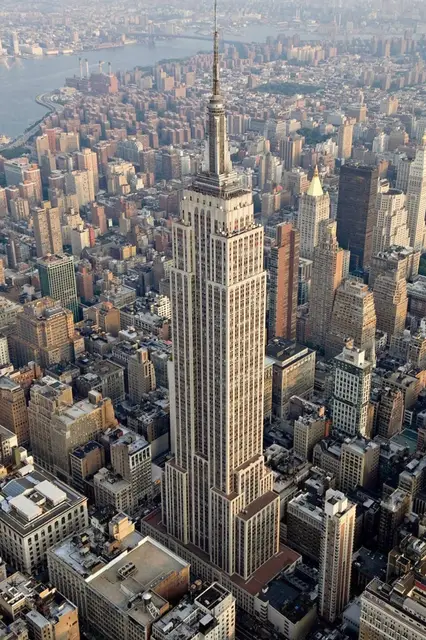 Historic sites01
Empire State Building
20 W 34th St · New York● Website○ Phone Monuments02
9/11 World Trade Center Memorial Monument
180 Greenwich St · New York○ Website● Phone Historic sites03
New York Stock Exchange
11 Wall St · New York● Website● Phone Historic sites04
You need a free account to leave reviews and photos – that keeps comments genuine and lets you edit them later.
Dates back to 1680, and held an abortive peace conference during the Revolutionary War.
Source: Wikivoyage, „Staten Island“ · authors per page history · CC BY-SA 4.0