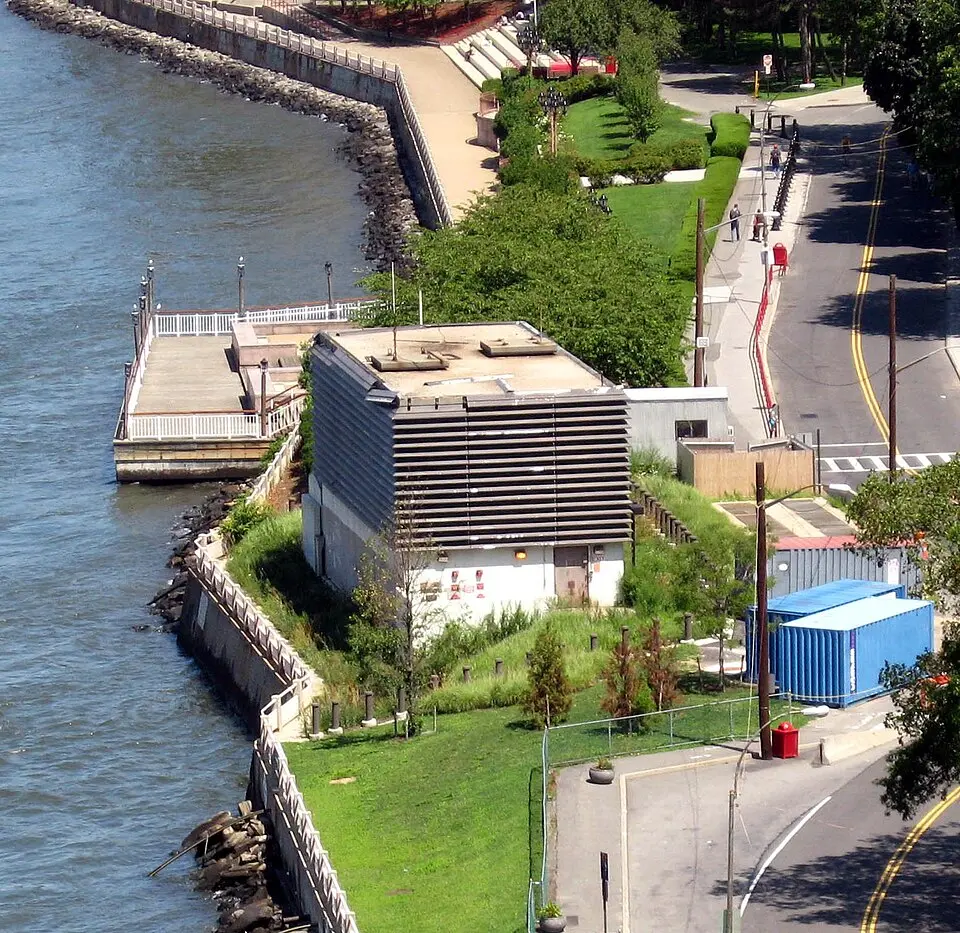
About 63rd Street Tunnel
The 63rd Street Tunnel is a major piece of transportation infrastructure in New York City that runs beneath the boroughs of Manhattan and Queens. At 960 meters (about 3,150 feet) long, it crosses under the East River and Roosevelt Island, running along 63rd Street in Manhattan and 41st Avenue in Queens. The structure consists of four tunnel tubes arranged on two levels. The upper level serves the New York City Subway and connects to the IND 63rd Street Line and the IND Queens Boulevard Line. Roosevelt Island has its own subway station linking these two routes. The lower level is reserved for Long Island Rail Road service and forms a central part of the East Side Access project.
The tunnel's history goes back to the 1950s, when planners wanted to create better rail connections for the growing residential areas in eastern Queens and on Long Island. The final route under 63rd Street was chosen to spare the Rockefeller University campus. Construction began in 1969 and was marked by long delays, financial difficulties, and criticism of the project as a "tunnel to nowhere." While the lower level was completed as early as 1973, it took until 1989 for the upper level to open for subway service. The Long Island Rail Road did not make full use of the tunnel until 2023, with the opening of Grand Central Madison beneath Grand Central Terminal.
For visitors and commuters, the tunnel now offers an efficient connection between neighborhoods. In Manhattan, passengers can transfer between different subway lines and directions at the two-level Lexington Avenue–63rd Street station. The lower level allows Long Island Rail Road trains to run directly into central Manhattan, which helps relieve congestion at Penn Station. One notable architectural limitation is that the tunnel's clearance accommodates only single-level Long Island Rail Road electric multiple-unit trains, permanently ruling out service with bilevel cars.
At a glance
- Category
- Sight › Historic sites
- Rating
- no reviews yet · write a review
- Address
- —
New York, USA - District
- Manhattan
- Phone
- —
- Website
- es.wikipedia.org
- —
- Coordinates
- 40.76000° N · -73.95500° E
- Data quality
- confidence 0.75
- Identifier
- ID 1c51aea6-1f0…
Location & surroundings
Toggle layersFAQ about 63rd Street Tunnel
quick answersWhat is the 63rd Street Tunnel in New York?
The 63rd Street Tunnel is a transportation structure in New York City that runs beneath the East River and Roosevelt Island, connecting Manhattan with Queens. It is 960 meters long and runs along 63rd Street in Manhattan and 41st Avenue in Queens. The tunnel consists of four tubes arranged on two levels, one above the other.
Why was the 63rd Street Tunnel in New York criticized as the "tunnel to nowhere"?
The 63rd Street Tunnel in New York was long known as the "tunnel to nowhere" because of decades of delays and financial difficulties. Planning dates back to the 1950s, construction began in 1969, and the lower level was already finished in 1973. The upper level, however, didn't open for subway service until 1989, and the Long Island Rail Road has only used the tunnel fully since 2023, when Grand Central Madison opened beneath Grand Central Terminal. Incidentally, the route under 63rd Street was chosen to spare the campus of Rockefeller University.
Which trains run through the 63rd Street Tunnel in New York?
New York City Subway trains run through the upper level of the 63rd Street Tunnel, and Long Island Rail Road trains run through the lower level. The upper level connects the IND 63rd Street Line and the IND Queens Boulevard Line, with its own subway station on Roosevelt Island and the two-level transfer station Lexington Avenue–63rd Street in Manhattan. The lower level is part of the East Side Access project and takes the Long Island Rail Road directly into the heart of Manhattan, relieving Penn Station. Because of the tight clearance, only single-level electric multiple units can run there; double-decker cars are permanently ruled out.
What can you see around the 63rd Street Tunnel in New York?
Near the 63rd Street Tunnel in New York, there are several attractions on and around Roosevelt Island. travelguide195 lists, among others, the Eleanor's Pier memorial about 150 meters away, the Roosevelt Island Aerial Tram about 280 meters away, and the historic Blackwell House about 330 meters away. For a break, travelguide195 also lists around 55 restaurants within 500 meters.
Ratings & comments
none yetNear 63rd Street Tunnel
closest 5 per category · 2 kmSights
Restaurants
Museums
Hotels
More:Historic sites in New York (3,728)Sights in Manhattan (2,358)All sights in New York (4,021)
300 places within 2 km loaded.
Don't miss in New York
All sights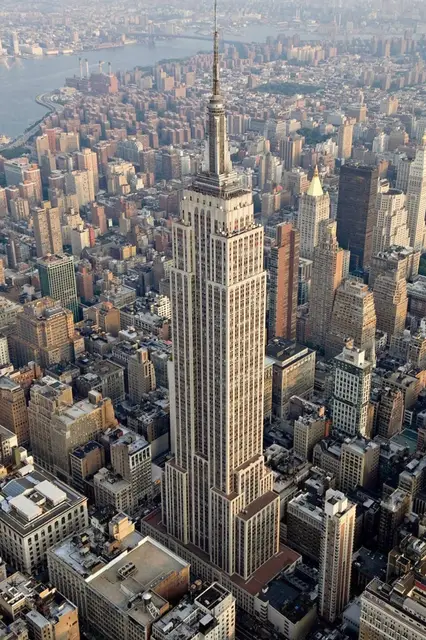 Historic sites01
Empire State Building
20 W 34th St · New York● Website○ Phone Monuments02
9/11 World Trade Center Memorial Monument
180 Greenwich St · New York○ Website● Phone Historic sites03
New York Stock Exchange
11 Wall St · New York● Website● Phone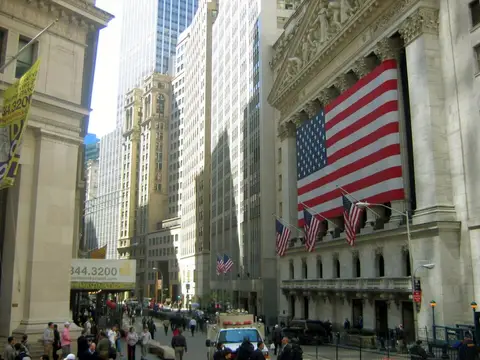 Historic sites04
You need a free account to leave reviews and photos – that keeps comments genuine and lets you edit them later.