About Rooftop Metropolitan Museum
The Metropolitan Museum of Art, known simply as The Met, is considered the largest art museum in the United States and houses one of the most significant art-historical collections in the world. The main building, often referred to as Met Fifth Avenue, sits on Fifth Avenue at East 82nd Street on Manhattan's Upper East Side. It stands on the eastern edge of Central Park and is a fixture of the so-called Museum Mile. As a universal museum that aims for completeness, its holdings comprise more than two million works, displayed across more than 1.3 million square feet (123,000 square meters) of exhibition space. With more than five million visitors in 2023, it ranks among the most visited art museums in the world.
The museum's history begins in 1866, when John Jay's great-nephew proposed at a banquet in Paris the founding of a national institution to promote art and art education in the United States. After five years of intensive lobbying among businessmen, bankers, and intellectuals, the first building opened in 1870. The current site on Central Park was chosen in 1880. The architectural ensemble was designed by Richard Morris Hunt in the neoclassical style, and the monumental façade is made of light beige limestone. The north and south wings were designed by the architecture firm McKim, Mead and White. In 1986, the building was designated a National Historic Landmark.
The museum is currently undergoing a major expansion. Between 2026 and 2030, the Tang Wing on the southwest corner will be replaced by a new five-story building. Designed by Mexican architect Frida Escobedo, the structure will cover 11,700 square meters, 6,600 square meters of which will be exhibition space, and is expected to increase the museum's capacity by half. Ground was broken in September 2026. In addition to the main building, the Met has operated The Met Cloisters in Washington Heights since 1938, which is dedicated to medieval and ecclesiastical art. For a short time there was also the Met Breuer gallery for modern art, but it closed in 2020.
The museum's collections are divided into 19 departments and chronologically cover the major periods of art history, from Stone Age cult objects to contemporary art. A major focus is European art, which includes extensive painting collections, decorative arts, architectural fragments, musical instruments, and historic weapons. Works from Egypt, Africa, the Islamic world, Asia, and the Middle East are also well represented. This encyclopedic approach allows you to experience humanity's art in all its diversity.
A highlight for many visitors is the Department of European Paintings, which shows works from the 12th to the late 19th century. Here you'll find masterpieces by artists such as Rembrandt, Vermeer, Rubens, Dürer, and Van Gogh. The collection of Dutch Golden Age painting is especially extensive, as is that of 19th-century French painting, which includes one of the best collections of Impressionism and Post-Impressionism in the world. Among the most famous works are The Fortune Teller by Georges de La Tour and Wheat Field with Cypresses by Vincent van Gogh.
With around 36,000 objects, the Department of Egyptian Art is one of the best outside Cairo. It covers the period from the Stone Age to the Roman occupation. A particular draw is the Temple of Dendur, which was dismantled during construction of the Aswan High Dam and given to the museum. It is displayed in a glass-walled gallery built especially for it. The collection of Asian art, with more than 35,000 objects, is also one of the largest in the United States and features artworks from China, Japan, Korea, and other regions of Asia. The Astor Court, designed in the style of the Ming dynasty, offers a quiet place to rest.
The Department of Arms and Armor presents elaborately crafted objects from Europe, Asia, and North America, which are often regarded as the decorative arts of their respective eras. A focus is on European armor from the late Middle Ages and the Renaissance, including ceremonial armor from the royal workshops of the Tudors. The collection of Japanese armor and weapons is considered the most important outside Japan. Equally impressive is the Department of African, Oceanic, and Americas Art, which received a decisive boost from the donation of the Rockefeller collection in 1969. Objects here are presented as works of art rather than merely as cultural documents, underscoring the museum's aim to represent humanity's art on equal terms.
The Costume Institute houses one of the most important fashion collections in the world, with more than 35,000 garments from different cultures and eras. Because the objects are light-sensitive, they are shown in rotating exhibitions that often take up current fashion themes. The annual Met Gala is a fixture of New York high society and serves as a benefit for the institute. The Department of Musical Instruments holds about 5,000 instruments that document the development of musical instruments around the world. They include ornate instruments from the Renaissance and Baroque periods as well as works by famous violin makers such as Stradivari.
The Department of Modern Art shows works from around 1900 to the present, with a focus on Europe and North America. Outstanding works include paintings by Picasso, Matisse, Pollock, and Warhol. The collection also includes important works of German classical modernism, such as pieces by Paul Klee and Kandinsky. The Department of Photographs documents the development of the medium from its invention in the 1830s to today. It holds more than 20,000 works and regularly shows changing cross-sections of the collection, since photographs are light-sensitive.
The Met Cloisters, the branch museum for medieval art, is located in Fort Tryon Park in Washington Heights. It was built around medieval architectural elements from Europe that George Grey Barnard acquired in France. The complex includes several cloisters and chapels designed to evoke an authentic medieval monastery. Works of the Romanesque and Gothic periods are on display here, including the Mérode Altarpiece and tapestries depicting the hunt of the unicorn. The surrounding park offers a peaceful contrast to the hectic pace of Manhattan.
The Metropolitan Museum of Art is not only a place for viewing art but also a center for research and education. A large part of the collection has been digitized and can be searched in a freely accessible database. Many images are in the public domain and can be used without restriction. The museum also offers virtual tours and selected exhibitions online. Despite some controversies over the provenance of individual objects, the Met remains an indispensable part of New York's cultural landscape and a must for every art lover.
At a glance
- Category
- Museum › Art museums
- Rating
- no reviews yet · write a review
- Address
- 1000 5th Ave
10028-0113 New York, USA - District
- Manhattan
- Phone
- —
- Website
- www.metmuseum.org
- —
- Coordinates
- 40.77859° N · -73.96451° E
- Data quality
- confidence 0.80
- Identifier
- ID b38ab17a-e50…
Location & surroundings
Toggle layersRatings & comments
none yetNear Rooftop Metropolitan Museum
closest 5 per category · 2 kmSights
Restaurants
Museums
Hotels
More:Art museums in New York (147)Museums in Manhattan (486)All museums in New York (683)
300 places within 2 km loaded.
Don't miss in New York
All sights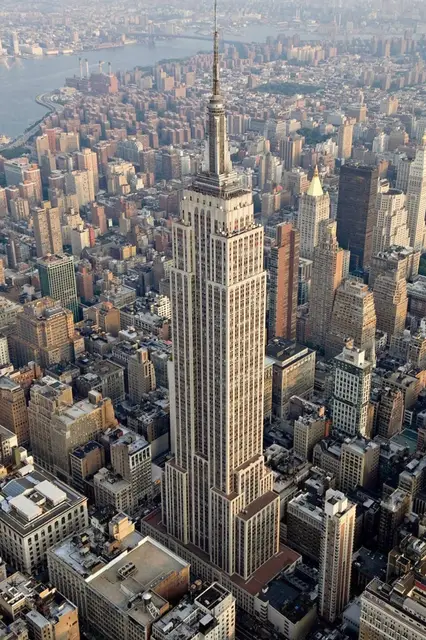 Historic sites01
Empire State Building
20 W 34th St · New York● Website○ Phone Monuments02
9/11 World Trade Center Memorial Monument
180 Greenwich St · New York○ Website● Phone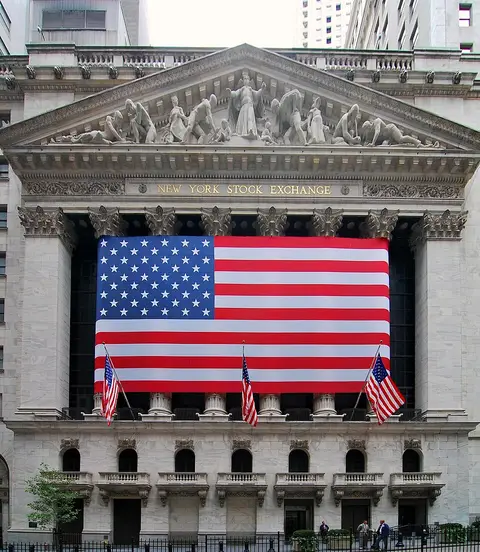 Historic sites03
New York Stock Exchange
11 Wall St · New York● Website● Phone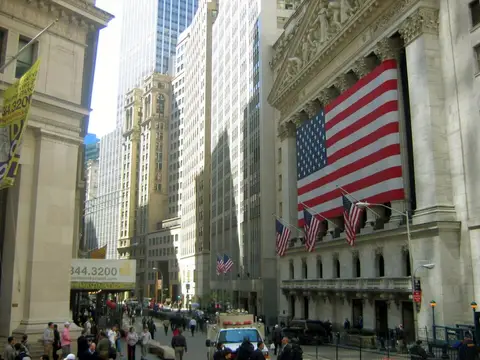 Historic sites04
You need a free account to leave reviews and photos – that keeps comments genuine and lets you edit them later.