Discover Fort Wayne: Three Rivers and Johnny Appleseed
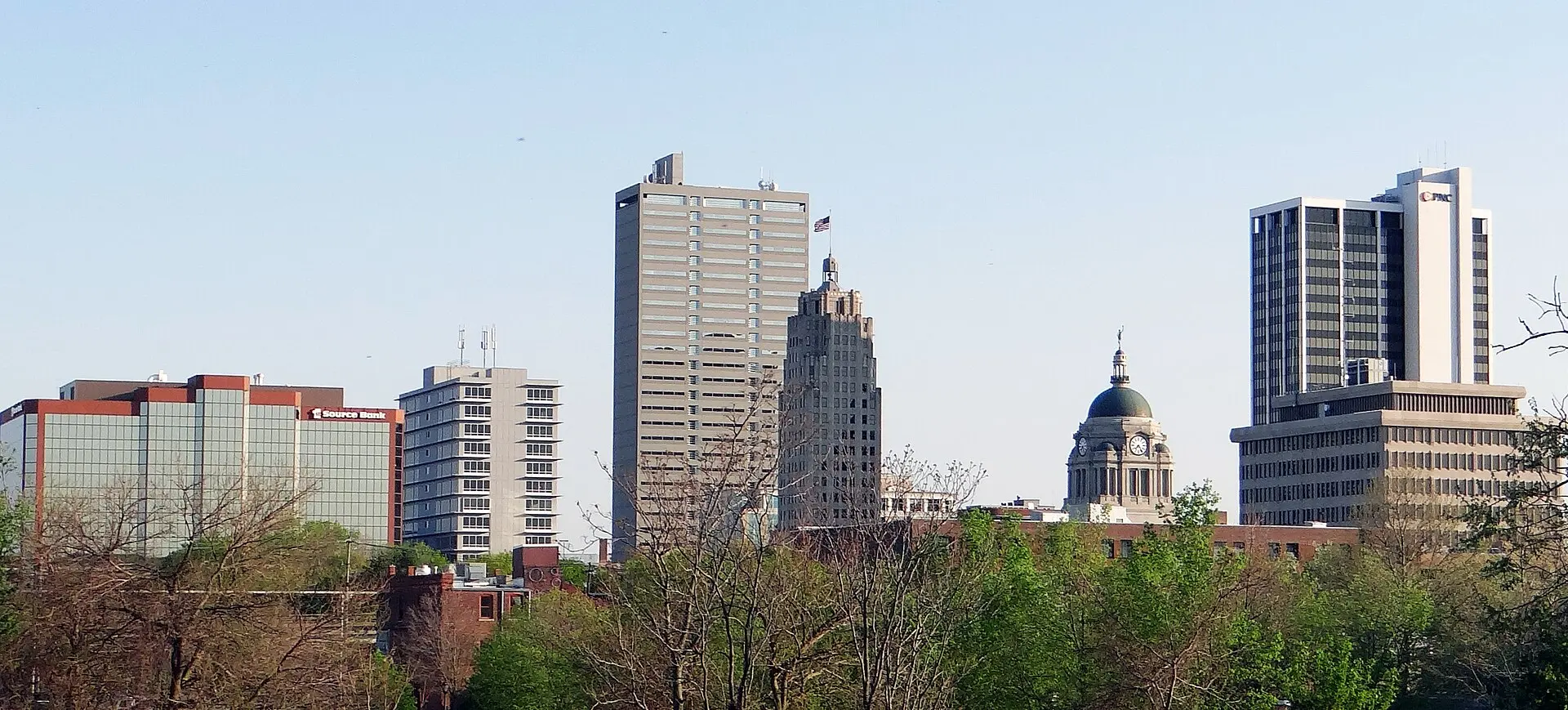
Travel guide · editorialWhere the St. Joseph River and the St. Marys River join to form the Maumee River, a U.S. Army fort once stood, which is how Indiana's second-largest city got its name. A trip to Fort Wayne takes you to a redesigned riverfront, a magnificent courthouse, one of the best children's zoos in the U.S., and the grave of an American folk hero.
From Miami Village to Fort
Long before Europeans arrived, the confluence was the main town of the Miami people, known as Kekionga. The French and British built trading posts here until General "Mad Anthony" Wayne had a fort built in 1794 after his victory over a Native American confederacy. The city grew with the Wabash and Erie Canal and later the railroad; many German immigrants shaped it, which still shows in its churches and family names today. In the 20th century, Fort Wayne was a center of the electrical and automotive parts industries.
Sights in Fort Wayne
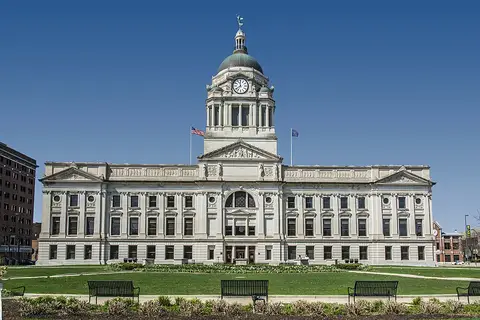
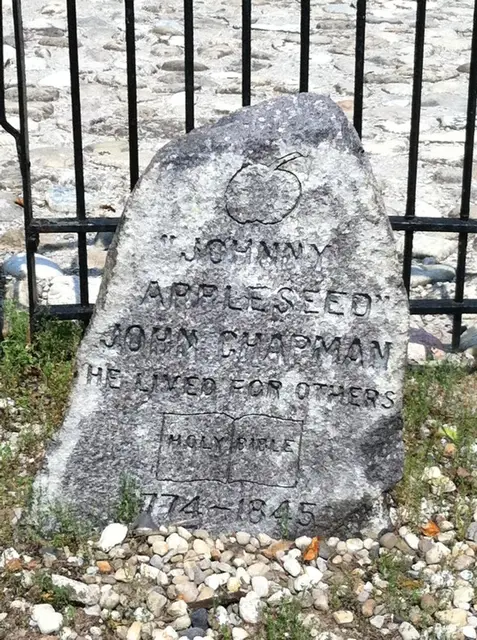
The Allen County Courthouse, built in 1902, with its dome and lavish murals, is among the most beautiful courthouses in the Midwest. On the riverfront, Promenade Park, with its treetop canopy walk and boat rentals, connects downtown with the water. The Fort Wayne Children's Zoo, regularly ranked among the best zoos in the country, shows animals from Africa, Australia, and Indonesia. The Foellinger-Freimann Botanical Conservatory offers tropical and desert plants under glass. Johnny Appleseed Park is the site of the grave of John Chapman, who planted apple trees across the Midwest as "Johnny Appleseed"; in September a festival celebrates him with music and crafts. The Allen County Public Library holds one of the largest genealogy collections in the world, which attracts many family historians.
Eating and Going Out in Fort Wayne
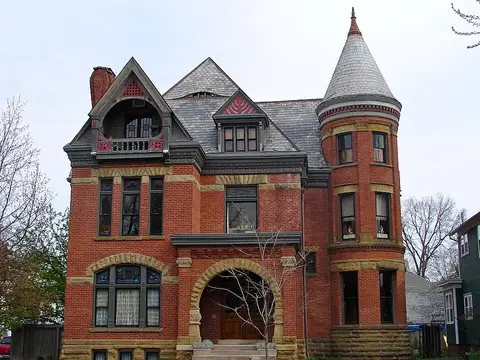
Typical of the city are Coney dogs, small hot dogs topped with chili-style meat sauce, which a downtown lunch counter has been serving for over a hundred years. You'll also find pork tenderloin sandwiches, an Indiana classic featuring a breaded pork cutlet that extends far beyond the bun. Around Wells Street and in the West Central neighborhood with its Victorian houses, you'll find restaurants, cafés, and breweries. At Parkview Field, the TinCaps, a minor league baseball team whose mascot is a nod to Johnny Appleseed, play their home games.
Parks and Culture in Fort Wayne
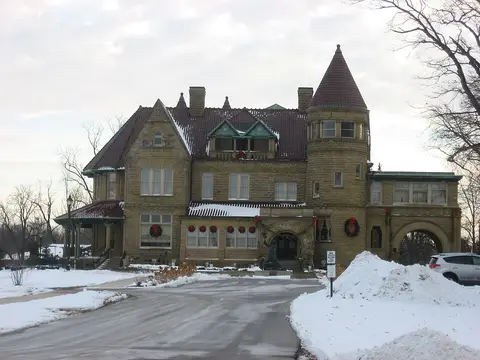
Fort Wayne has a dense network of parks and trails along the three rivers, linked by the Rivergreenway, which stretches for many miles. The Embassy Theatre, a 1928 movie palace with a grand organ, is the cultural jewel of downtown. The Fort Wayne Museum of Art shows American art, and Science Central invites families to experiment. In July, the Three Rivers Festival brings parades, music, and fireworks.
Getting Around Fort Wayne and the Best Time to Visit
Fort Wayne International Airport lies southwest of the city; Chicago and Indianapolis are about two and a half and two hours away by car, respectively. Citilink buses serve the city area, but you'll need a car for day trips. The best time to visit is from May to September; winters are cold and snowy. Day trips lead to the Amish country around Shipshewana, with its markets and horse-drawn buggies, as well as to the lakes of northern Indiana.