Discover Cincinnati: Chili, Bridges, and Over-the-Rhine
Travel guide · editorialOrder a "Three-Way" for the first time and you'll get spaghetti topped with cinnamon-spiced meat chili and a mountain of shredded cheddar – welcome to Cincinnati. A city trip to Cincinnati combines German-influenced history, one of the largest historic districts in the U.S., and lively riverfronts along the Ohio River.
The Queen of the West
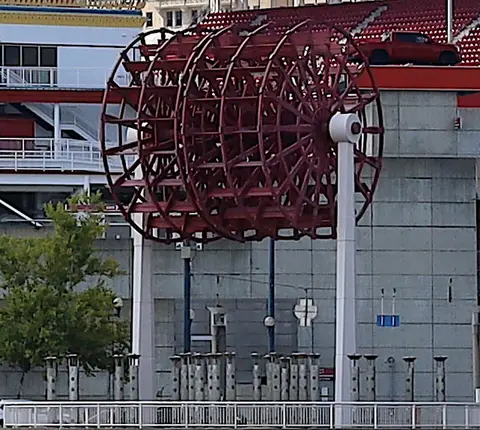
In the 19th century, Cincinnati was one of the fastest-growing cities in America and was nicknamed the "Queen City of the West." Its pork slaughterhouses earned it the nickname "Porkopolis," and tens of thousands of Germans settled north of the Miami and Erie Canal, which they jokingly called the "Rhine." That's where the name Over-the-Rhine comes from. As a border city facing the slave state of Kentucky, Cincinnati was also an important stop on the Underground Railroad, which provided escape routes for enslaved people. The National Underground Railroad Freedom Center on the riverfront tells this story in a powerful way.
Things to See in Cincinnati
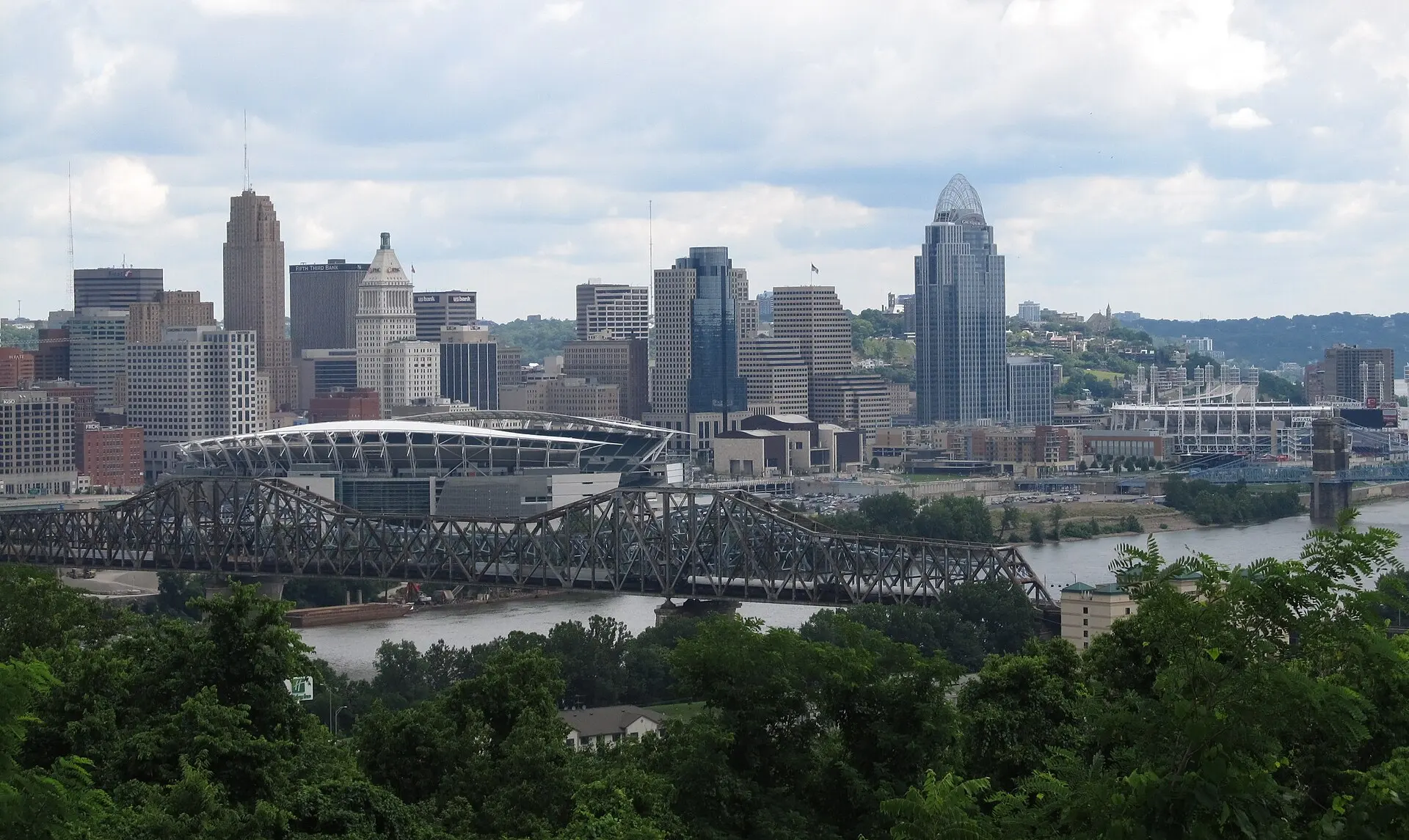
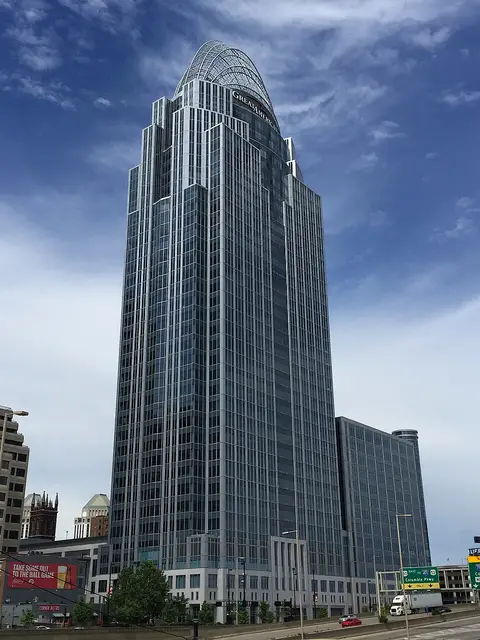
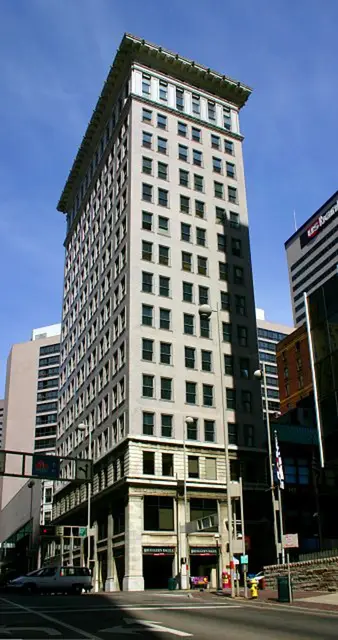
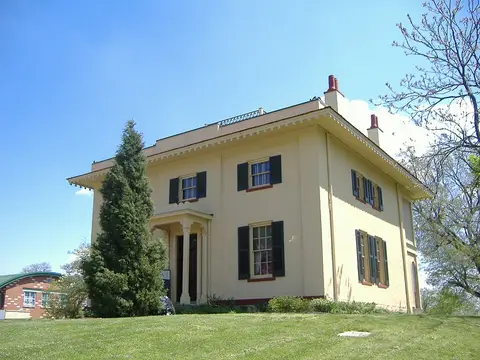
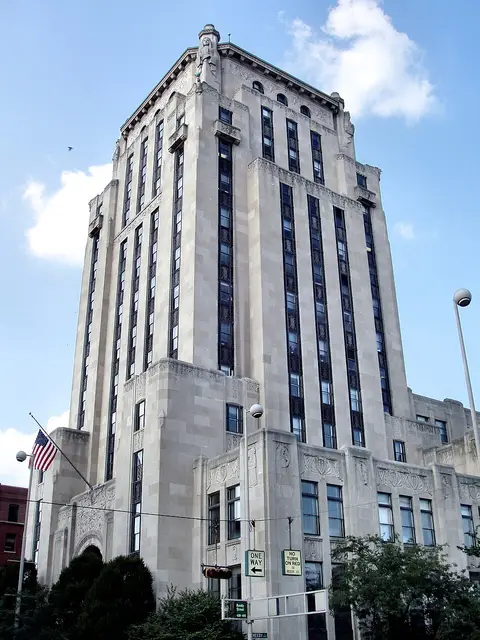
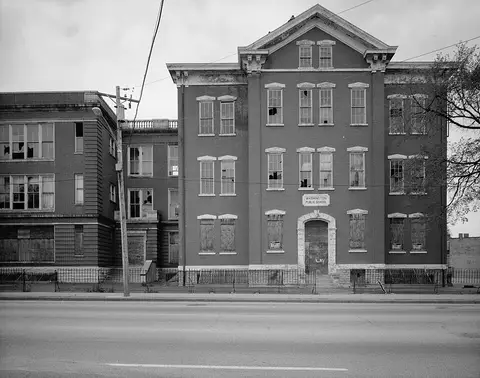
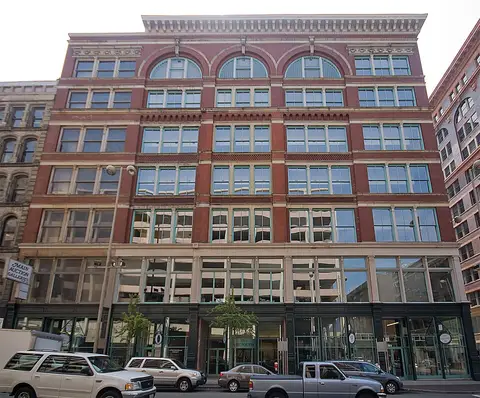
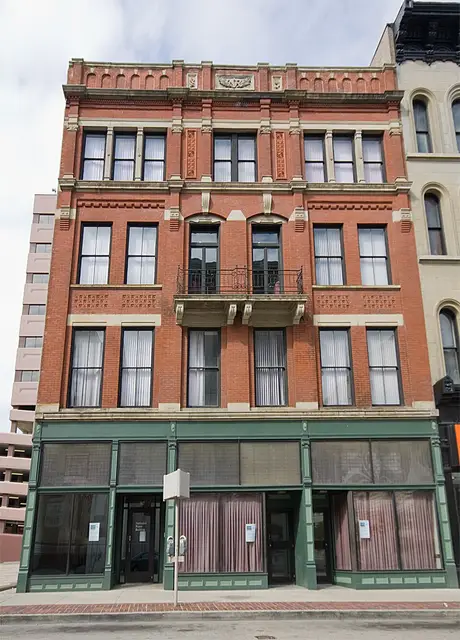
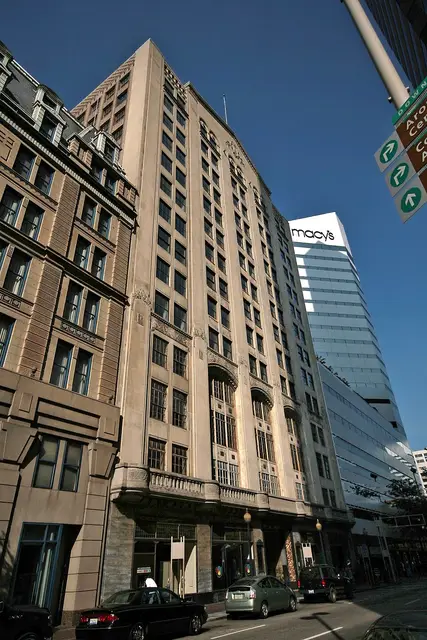
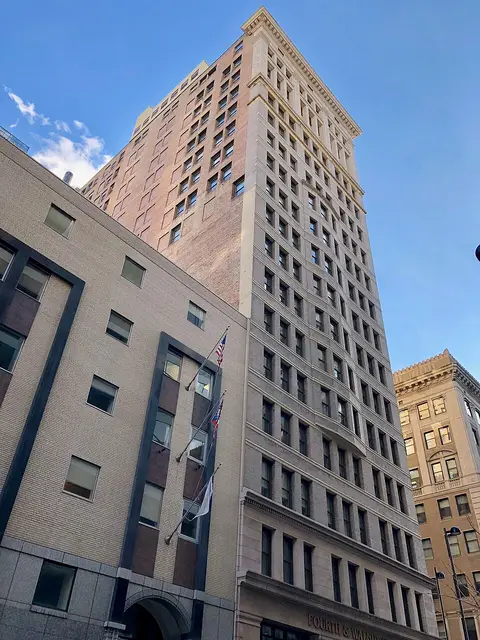
Over-the-Rhine is the heart of the city: hundreds of Italianate-style brick buildings, the Findlay Market hall from 1855 as Ohio's oldest continuously operating market, and Music Hall, home of the symphony orchestra. In the Central Business District, the Art Deco Carew Tower is impressive, while the Roebling Suspension Bridge, a predecessor of the Brooklyn Bridge, leads across to Covington, Kentucky. The Cincinnati Museum Center is housed in a magnificent Art Deco train station. The Cincinnati Zoo, one of the oldest in the U.S., and the Cincinnati Art Museum in Eden Park round out the program; from up there you can look out over the river.
Eating and Going Out in Cincinnati
Chili chains like Skyline and Gold Star are a must, as is goetta, a breakfast sausage made of pork and oats that traces back to German immigrants, along with Graeter's ice cream. Over-the-Rhine has developed into a nightlife district with craft breweries – before Prohibition, Cincinnati was a beer stronghold, and old lagering cellars still lie beneath the streets, which you can visit on guided tours. In the fall, the city celebrates Oktoberfest Zinzinnati, one of the largest in America. For quieter evenings, head to the restaurants of Hyde Park, Oakley, or student-oriented Clifton around the University of Cincinnati.
Northern Kentucky and the Hills
Across the Ohio River lie Covington and Newport, which are part of the greater metro area. In Covington, MainStrasse Village is worth a visit with its German-style facades, a carillon tower, and beer gardens. In Newport, the Newport Aquarium shows off sharks and penguins, and from the Purple People Bridge, a pedestrian bridge painted purple, you get a view of the skyline. Back in Ohio, the route leads through The Banks, a district between the stadiums with restaurants and bars. On the hill of Mount Adams, you'll find steep lanes and the Krohn Conservatory, a greenhouse in Eden Park.
Getting Around Cincinnati and Best Time to Visit
CVG airport is on the Kentucky side, about a 20-minute drive from downtown. The Connector streetcar runs a loop between the riverfront, downtown, and Over-the-Rhine; otherwise, buses serve the city. Smale Riverfront Park, with playgrounds and swings, connects the stadiums of the Reds and the Bengals. The best times to visit are late spring and fall; summers are often muggy. Day trips lead to the hills of Northern Kentucky, the Kings Island amusement park, or the villages along the Ohio River.