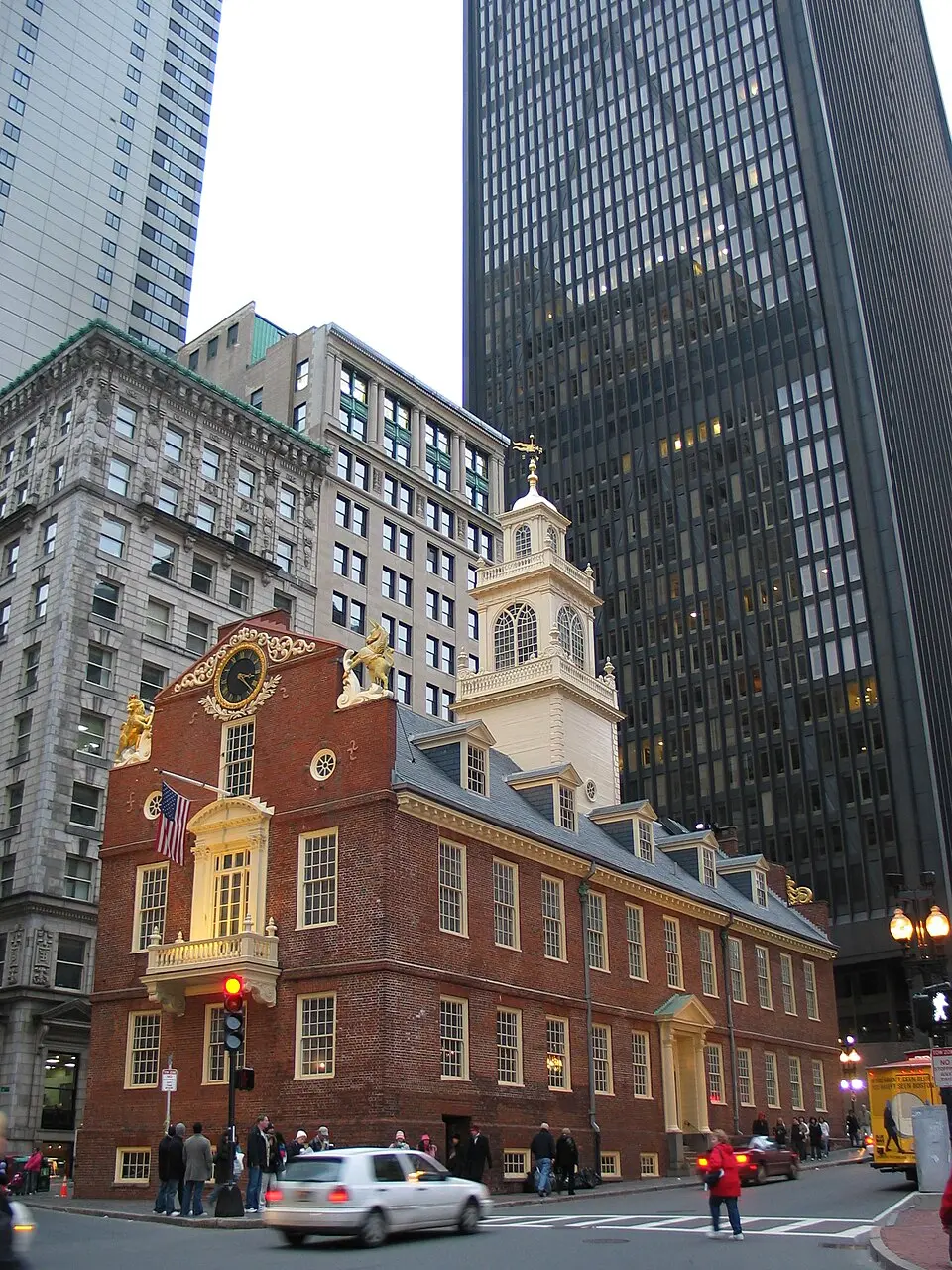
About Old State House
The Old State House in Boston is considered the oldest surviving public building in the city. Built of brick between 1712 and 1713 at the intersection of Washington and State Streets, it originally served as the seat of the colonial government. Once remarkable were the six-and-a-half-foot wooden figures of a lion and a unicorn on the roof, symbols of the British monarchy. Inside, along with a merchants' exchange and storage rooms, were the governor's council chamber and the meeting rooms of the Massachusetts General Court. These chambers were historically significant because they were the first in the English-speaking world to have public galleries. Important political events took place here as well, such as the trial of James Otis Jr. in 1761, which shaped public opinion in favor of the independence movement, and the Boston Massacre in 1770, which occurred directly in front of the building on Devonshire Street.
After the United States Declaration of Independence in 1776, which was proclaimed from the east balcony, the building served as the seat of the state legislature until 1798. Its function changed several times in the years that followed: It housed Boston's city hall for a time, when the architect Isaiah Rogers adapted the interior in the Greek Revival style, and was later rented out for commercial purposes such as offices and shops. Several fires, including those in 1832 and 1847, badly damaged the building, and after the last one only the stone walls remained. To prevent its threatened demolition, the nonprofit Bostonian Society was founded in 1881; it restored the building and runs it as a museum. In the process, the burned rooftop figures were replaced with replicas and an eagle was added on the west side.
Today the Old State House is a local history museum, open seven days a week and surrounded by tall financial buildings. You can watch multimedia presentations on historic events such as the Boston Massacre and join guided tours. The building is part of the Freedom Trail, whose next stop is marked by a paving stone on the traffic island. Directly beneath the museum is State Street subway station, which you can reach via the lower level. The museum is regularly maintained to protect its historic collections, including a clock from 1831. The Bostonian Society is also currently planning structural changes to improve access for wheelchair users and other visitors with limited mobility.
At a glance
- Category
- Museum › History museums
- Rating
- no reviews yet · write a review
- Address
- 206 Washington St
02109 Boston, USA - District
- Downtown
- Phone
- +16177201713
- Website
- www.bostonhistory.org
- info@revolutionaryspaces.org
- Coordinates
- 42.35873° N · -71.05745° E
- Data quality
- confidence 0.95
- Identifier
- ID 3ecf6087-c04…
Location & surroundings
Toggle layersRatings & comments
none yetNear Old State House
closest 5 per category · 2 kmSights
Restaurants
Museums
Hotels
More:History museums in Boston (40)Museums in Downtown (16)All museums in Boston (118)
277 places within 2 km loaded.
Don't miss in Boston
All sights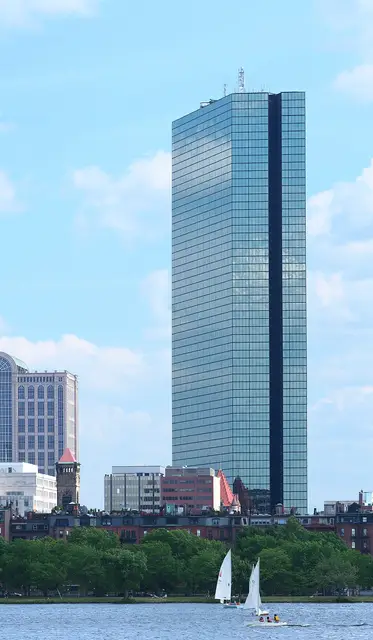 Historic sites01
John Hancock Tower
200 Clarendon St · Boston○ Website● Phone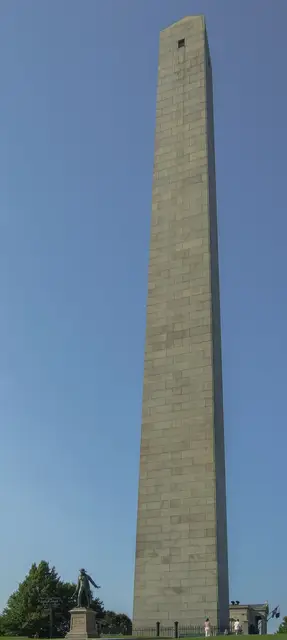 Monuments02
Bunker Hill Monument
100 Monument Sq · Boston● Website● Phone Historic sites03
Boston Naval Shipyard
Boston, Massachusetts · Boston● Website● Phone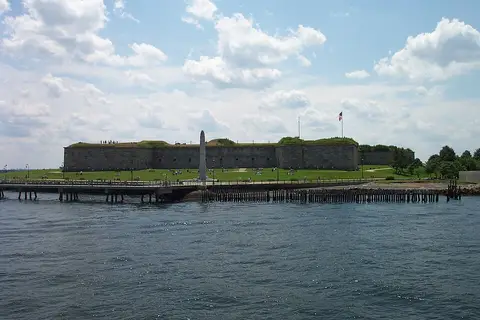 Forts04
You need a free account to leave reviews and photos – that keeps comments genuine and lets you edit them later.
Built in 1713, this historic landmark was the seat of colonial and state governments as well as a merchants' exchange. In 1761 patriot James Otis opposed the Writs of Assistance here, inspiring John Adams to state, "than and there the child of independence was born." A cobblestone circle under its balcony marks the site of the 1770 Boston Massacre when British soldiers fired into a crowd of Bostonians. Fugitive slave Crispus Attucks was among the five victims who died that day. In 1776 the Declaration of Independence was first read to Bostonians from its balcony, an act repeated to this day every 4th of July. Today the Bostonian Society maintains the building as a museum of Boston history.
Source: Wikivoyage, „Freedom Trail“ · authors per page history · CC BY-SA 4.0 · as of 5/12/2018