About Brick Tower
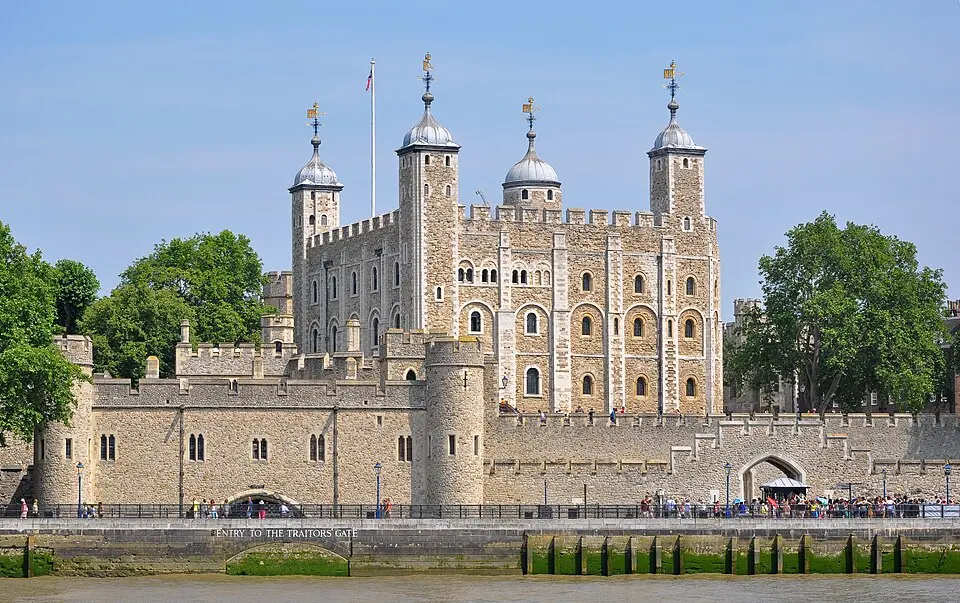
The Tower of London is one of the best-known and most historically significant sights in the British capital. It stands right on the north bank of the Thames at the southeastern end of the City of London, marking the eastern gateway to the historic heart of the metropolis. A fortified complex of buildings, it served English and British monarchs for centuries as a multipurpose site. It was at once a royal residence, armory, mint, prison, zoo, and place of execution. This versatility is reflected in its complex architecture, which consists of a concentric castle with several rings of fortifications. The Tower has been a UNESCO World Heritage Site since 1988 and is managed by the organization Historic Royal Palaces.
The history of the Tower begins in the 11th century, shortly after the Norman conquest of England. William the Conqueror had the fortress built to secure his power over the potentially hostile citizens of London and to control the city. The original structure on a hill on the eastern edge of the City was replaced beginning in 1077 by a massive stone building that became known as the White Tower. This tower gave its name to the entire complex, as it was the visually dominant structure. Over the centuries, the fortress was steadily expanded. A major enlargement took place especially under Henry III and Edward I, establishing the site's present area of about 7.3 hectares (18 acres).
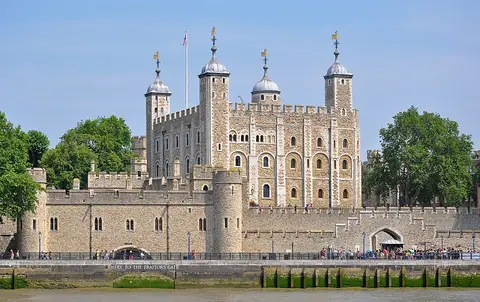
The architecture of the Tower bears witness to several phases of construction. The complex originally consisted of three rings of defenses, two of which are still clearly recognizable today. The innermost ring, also known as Coldharbour, encompasses the White Tower and the courtyard around it. The White Tower itself is a nearly square building of limestone and marlstone that rises almost 30 meters (about 100 feet). Its walls are more than four meters (13 feet) thick at the base. The inner ring of the fortress also houses other important buildings such as the Waterloo Barracks, the Church of St Peter ad Vincula, and Tower Green. The outer ring is formed by a wall with six towers and two semicircular bastions. A wide moat, originally filled with water, surrounds the fortress and separates it from the city.
In the 19th century, the Tower underwent a far-reaching redesign in the Gothic Revival style. Architects such as Anthony Salvin and John Taylor sought to restore the medieval character of the complex. Buildings that were no longer needed were demolished and new structures were erected in a historicist style. This work sparked one of the first major debates over historic preservation in Great Britain, as the Society for the Protection of Ancient Buildings protested the demolitions. Despite these changes, the basic layout of the buildings has remained largely unchanged since around 1900. In the 1960s, extensive archaeological excavations and restoration work began, aiming to return various parts of the site to their original medieval state.
Today the Tower is best known as a museum and exhibition venue. Here you can marvel at the British Crown Jewels, which rank among the most valuable treasures in the world. Parts of the Royal Armouries collection are also on display, offering insight into the history of weapons and armor. The exhibitions also shed light on the history of the building itself and its many functions over the centuries. The Tower is now home to the headquarters and museum of the Royal Regiment of Fusiliers, as well as living quarters for the Yeoman Warders, who serve as guards and guides.
The Tower's use as a prison and place of execution has earned it a grim reputation that is deeply rooted in literature and collective memory. From 1101 to 1941, the fortress served as a prison holding prominent figures such as kings, nobles, and political prisoners. Famous inmates included Richard II, Henry VI, and the "Nine Days' Queen," Lady Jane Grey. Many of these prisoners left their mark on the walls in the form of carvings, graffiti, and inscriptions. Executions took place on Tower Green and outside the fortress gates, continuing into the 20th century, when German spies were shot there during the world wars.
Another remarkable aspect of the Tower's history is its animal collection. From 1235 to 1835, the fortress housed a menagerie of wild animals including lions, bears, elephants, and rhinoceroses. The tradition goes back to a gift to Henry III. Visitors could view the animals for an admission fee, which added to the site's popularity. After the opening of the London Zoo, the animals were moved there, paving the way for the Tower's present-day use as a tourist attraction.
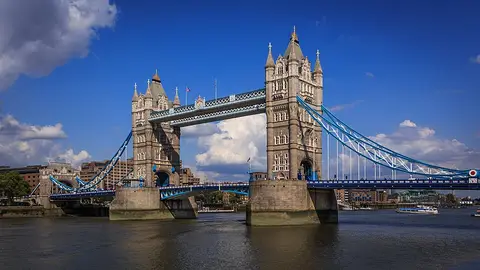
The Tower's surroundings have changed greatly over time. While the fortress dominated the cityscape for centuries, ever larger buildings rose nearby in the 19th and 20th centuries, including Tower Bridge and modern office towers. The immediate area is now marked by heavy traffic, which at times makes access difficult for pedestrians. Even so, the open spaces of Tower Hill and the bank of the Thames still offer places to take in the fortress in peace. Public transportation is well developed, with stations such as Tower Hill and Fenchurch Street nearby.
The Tower of London is not only a historic monument but also a living place that reflects the history of Great Britain. The combination of military fortress, royal residence, and museum makes it a fascinating destination for visitors from around the world. Careful restoration and varied exhibitions make it possible to explore the site's complex history. From its Norman beginnings through its medieval heyday to its modern use as a tourist attraction, the Tower offers an impressive glimpse into London's past and present.
Yet the Tower's significance goes beyond its purely historical aspect. It is a symbol of the power of the British monarchy and of the defense of the city. Its architecture, with thick walls and towers, conveys a sense of security and permanence. The stories of the prisoners and the legends surrounding the place lend it a mystical character. Here visitors experience not just stone and walls but also feel the weight of history hidden in every corner of the fortress. The Tower remains a place that connects past and present and transports visitors to another time.
In summary, the Tower of London is an indispensable part of London's cultural heritage. Its history as a fortress, residence, and prison makes it a unique place of great interest to historians and general tourists alike. Careful preservation and engaging exhibitions ensure that visitors can fully appreciate the importance of the site. The Tower is a place of discovery that brings together the many realms of British history and invites you on a journey through the centuries.
At a glance
- Category
- Sight › Historic sites
- Rating
- no reviews yet · write a review
- Address
EC3 London, United Kingdom- District
- London Borough of Tower Hamlets
- Phone
- —
- Website
- —
- —
- Coordinates
- 51.50878° N · -0.07538° E
- Data quality
- confidence 0.69
- Identifier
- ID 212843c1-e52…
Location & surroundings
Toggle layersRatings & comments
none yetNear Brick Tower
closest 5 per category · 2 kmRestaurants
Hotels
More:Historic sites in London (3,142)Sights in London Borough of Tower Hamlets (234)All sights in London (3,487)
300 places within 2 km loaded.
You need a free account to leave reviews and photos – that keeps comments genuine and lets you edit them later.