Lviv Oblast: Coffeehouses, Carpathians, and Spa Towns
Travel guide · editorialThe Lviv Oblast in western Ukraine combines one of Eastern Europe's most beautiful old towns with the foothills of the Carpathians and spa towns with long traditions. A travel warning applies to all of Ukraine because of Russia's war of aggression; even though the region lies near the Polish border, a trip to Lviv is described here as a portrait – for the time when the situation allows it again.
Lviv: A City of Many Cultures
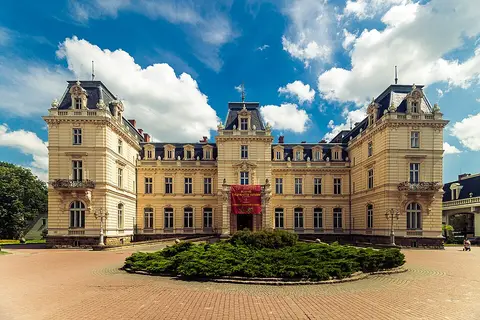
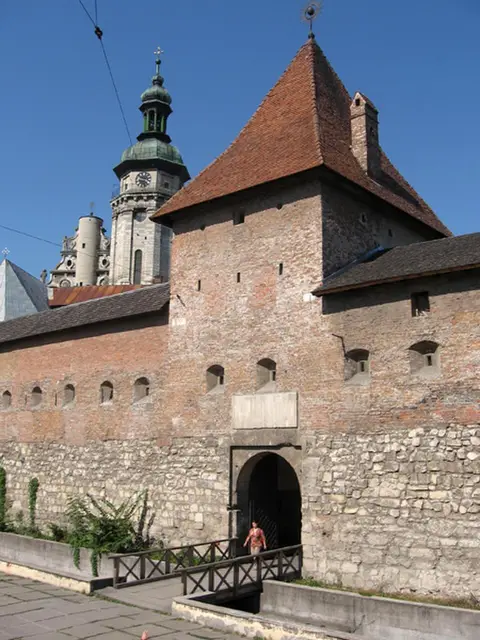
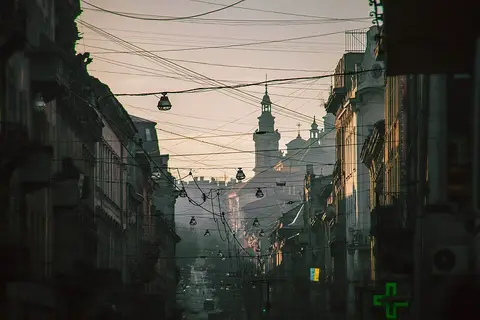
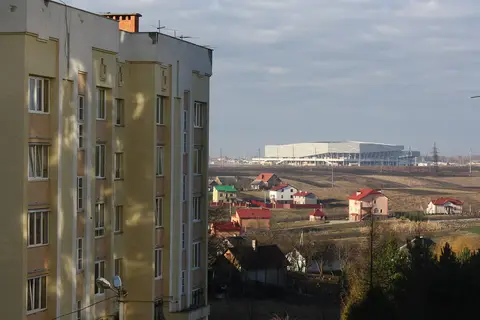
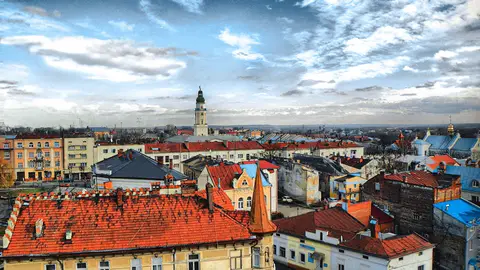
Lviv, Lwiw in Ukrainian, was founded in the 13th century and belonged in turn to Poland, Habsburg Austria, Poland again, and the Soviet Union. This history is reflected in the UNESCO-protected old town: Renaissance townhouses surround the Rynok market square, and the Armenian Cathedral, the Latin Cathedral, and the Dominican Church lie just steps from one another. The opera house, the Lychakiv Cemetery with its grave sculptures, and High Castle Hill with its view over the rooftops are among the most popular sights in Lviv. The city is considered the coffee capital of Ukraine; Viennese-style coffeehouses and a chocolate factory are part of the cityscape.
Spa Towns and the Carpathians
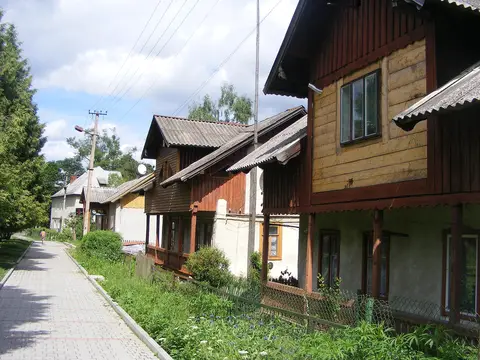
South of Lviv lies Truskavets, a spa town known for its "Naftusya" mineral water, which drew visitors as far back as Habsburg times. Healing springs also bubble up in neighboring Skhidnytsia. Drohobych was the home of the writer and artist Bruno Schulz and has two wooden churches, of which St. George's Church is part of the UNESCO World Heritage listing for the wooden churches of the Carpathian region. Farther south in the Beskids, Slavske is a well-known winter sports resort, and Stryi is a market town with a park on the river of the same name.
Other popular excursion destinations in the Beskids include Tustan Rock Fortress near Urych, a medieval fortress of which only the beam holes in the sandstone remain, and the reservoirs and hiking trails in Skoliv Beskids National Nature Park, where the beech forests glow in autumn.
Castles and Countryside
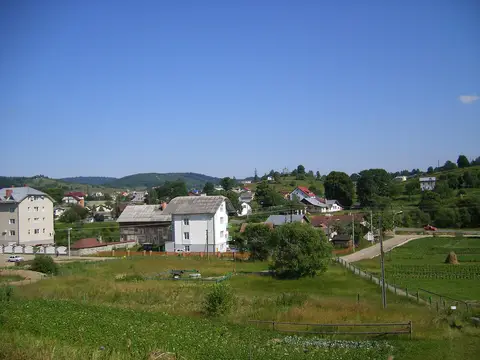
East of Lviv, the castles of Olesko, Pidhirtsi, and Zolochiv form the so-called "Golden Horseshoe." The land in between is hilly, with forests, villages, and monasteries. In the north, around Zhovkva, lies an ideal Renaissance town from the 16th century.
Culture and History
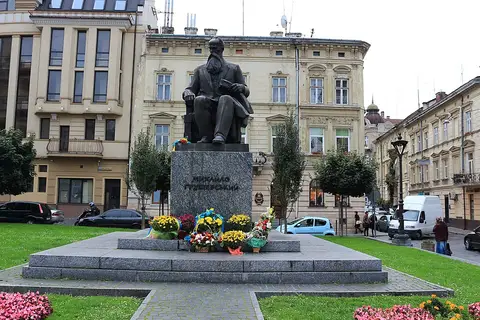
For centuries, Lviv was a melting pot: Poles, Ukrainians, Jews, Armenians, and Germans shaped the city, until World War II and the Shoah destroyed the Jewish community, a third of the population, and the Polish population was resettled after 1945. Today Lviv is regarded as the cultural center of Ukrainian identity, with a university, publishing houses, theaters, and an annual book forum. Since 2022, the city has taken in hundreds of thousands of internally displaced people; museums have placed parts of their collections in protected storage, and church windows and monuments have been secured with sandbags and scaffolding. Cultural life nevertheless goes on, with concerts at the philharmonic, readings, and exhibitions in small galleries.
Food and Getting There
In Lviv you can eat varenyky, banosh from the Carpathians, and syrnyk, a Galician-style cheesecake, and drink coffee with spices. Lviv Airport has been closed since 2022; the city can be reached by train and bus from Poland, for example via Przemyśl. Air raids occur here too, so you should heed current safety advisories. In calmer times, the best time to visit is from May to September and during Advent, when a Christmas market takes place on the Rynok.