Lviv: Coffeehouses, Churches and Old Town
Travel guide · editorialBecause of Russia's war of aggression, the travel warning for all of Ukraine also applies to Lviv (Ukrainian: Lviv, German: Lemberg); the city in the west of the country has also been hit by missiles. This profile describes what makes a trip to Lviv special once conditions allow it again: an Old Town full of Renaissance houses, churches of many denominations and a coffeehouse culture reminiscent of Vienna.
A City of Many Names
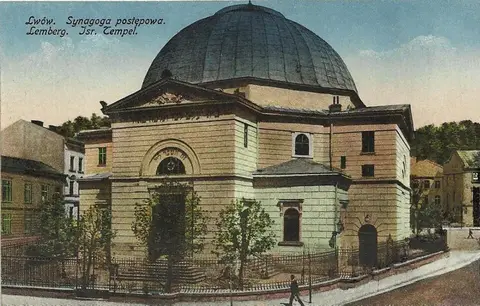
Lviv, Lwów, Lemberg, Lvov – the names tell the story. Prince Danylo of Galicia founded the city in the 13th century and named it after his son Lev. It later belonged to Poland, then from 1772 to 1918 to the Habsburg Monarchy as the capital of Galicia, then to Poland again, and from 1939 and 1944 respectively to the Soviet Union. Ukrainians, Poles, Jews, Armenians and Germans lived together here until the Holocaust, expulsions and resettlements radically changed the population. The Old Town, however, remained largely intact and has been a UNESCO World Heritage Site since 1998. Since 2022, Lviv has been a place of refuge for many internally displaced people.
Sights in Lviv
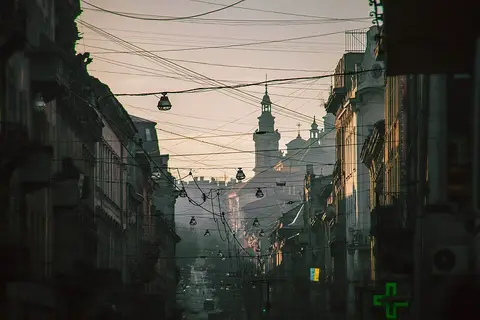
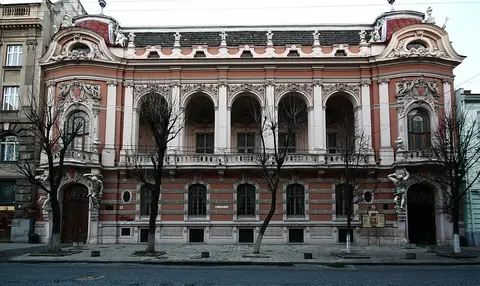
Rynok Square with the town hall tower is surrounded by townhouses from the Renaissance and Baroque periods, such as the Black House and the Royal Kornyakt Palace. The Latin Cathedral, the Armenian Cathedral with its frescoes and the Dominican Church show the city's religious diversity, as does the Greek Catholic St. George's Cathedral on a hill. The Opera and Ballet Theater on Svobody Avenue is a magnificent building from the Habsburg era. The Lychakiv Cemetery in the district of the same name, with its grave sculptures, is among the most beautiful cemeteries in Europe; the Field of Mars next door now holds the graves of numerous fallen soldiers. From High Castle Hill (Vysokyi Zamok) you can look out over rooftops and church towers.
Food and Coffeehouses in Lviv
Lviv is considered the coffee capital of Ukraine: beans are roasted in small roasteries and brewed in copper pots on hot sand. The city is also known for its chocolate, which you can sample at artisan shops in the Old Town. Typical Galician dishes include syrnyk, a cheesecake, banush, a cornmeal porridge from the Carpathians, and varenyky. Lviv is also known for its theme restaurants, often with quirky staging, and for its long-established beer. Cafés and pubs line the area around Rynok Square and the Halytskyi district.
Festivals and Culture
In peacetime, Lviv was a festival city: a coffee festival, a chocolate festival, a beer festival and jazz festivals followed one another. The National Museum and the Lviv National Art Gallery hold important collections, and the open-air museum in Shevchenkivskyi Hai Park displays wooden churches and farmhouses from the Carpathians. Concerts and exhibitions still take place today, often to benefit refugees or the wounded.
Getting Around Lviv
Lviv Airport has been closed to civilian flights since February 2022. You get here by train or bus, for example via Przemyśl in Poland, which is only about 56 miles (90 km) away. Trams run through the Old Town, which is best explored on foot anyway. In peacetime, early summer, fall and the Advent season with its Christmas market were the most popular times to visit; day trips led to the Carpathians and to the castles of Olesko and Pidhirtsi.