Kyiv: Golden Domes Above the Dnipro
Travel guide · editorialBecause of Russia's war of aggression against Ukraine, the German Federal Foreign Office has issued a travel warning for the entire country, and Kyiv, too, is repeatedly targeted by air attacks. This text is therefore meant as a portrait of a city you can discover on a later trip to Kyiv, once circumstances allow it again – with golden church domes, broad boulevards, and the green slopes above the Dnipro.
Mother of the Rus
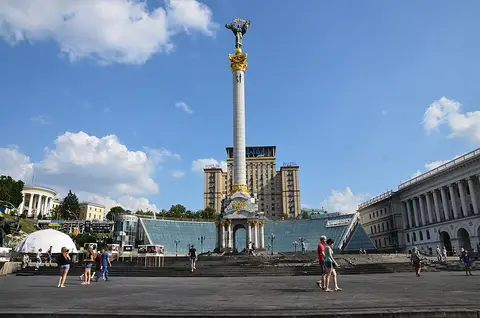
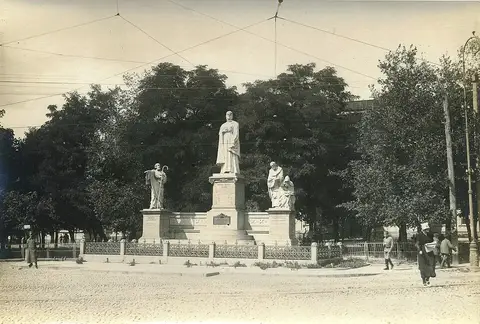
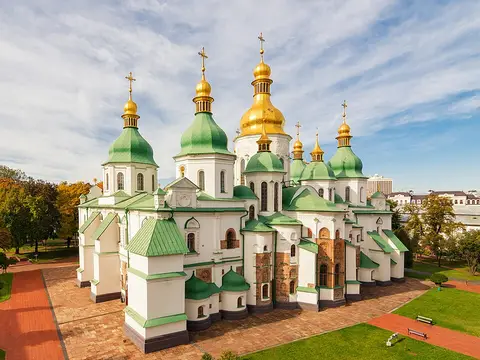
According to legend, three brothers and their sister founded Kyiv in the 5th or 6th century on the hills along the Dnipro; a monument on the riverbank commemorates them. In the 10th and 11th centuries, the city was the capital of Kyivan Rus, one of the largest realms in Europe. Prince Volodymyr was baptized in 988 and made Christianity the state religion, and Yaroslav the Wise built St. Sophia's Cathedral. After the Mongol invasion of 1240, Kyiv lost its importance, and later it belonged to Poland-Lithuania and the Russian Empire. In the 20th century, the city experienced revolution, the Holodomor, German occupation, and the Babyn Yar massacre, in which more than 33,000 Jews were murdered in 1941. Since 1991, Kyiv has been the capital of independent Ukraine; the Maidan was the site of the Orange Revolution in 2004 and the Revolution of Dignity in 2013/14.
Sights in Kyiv
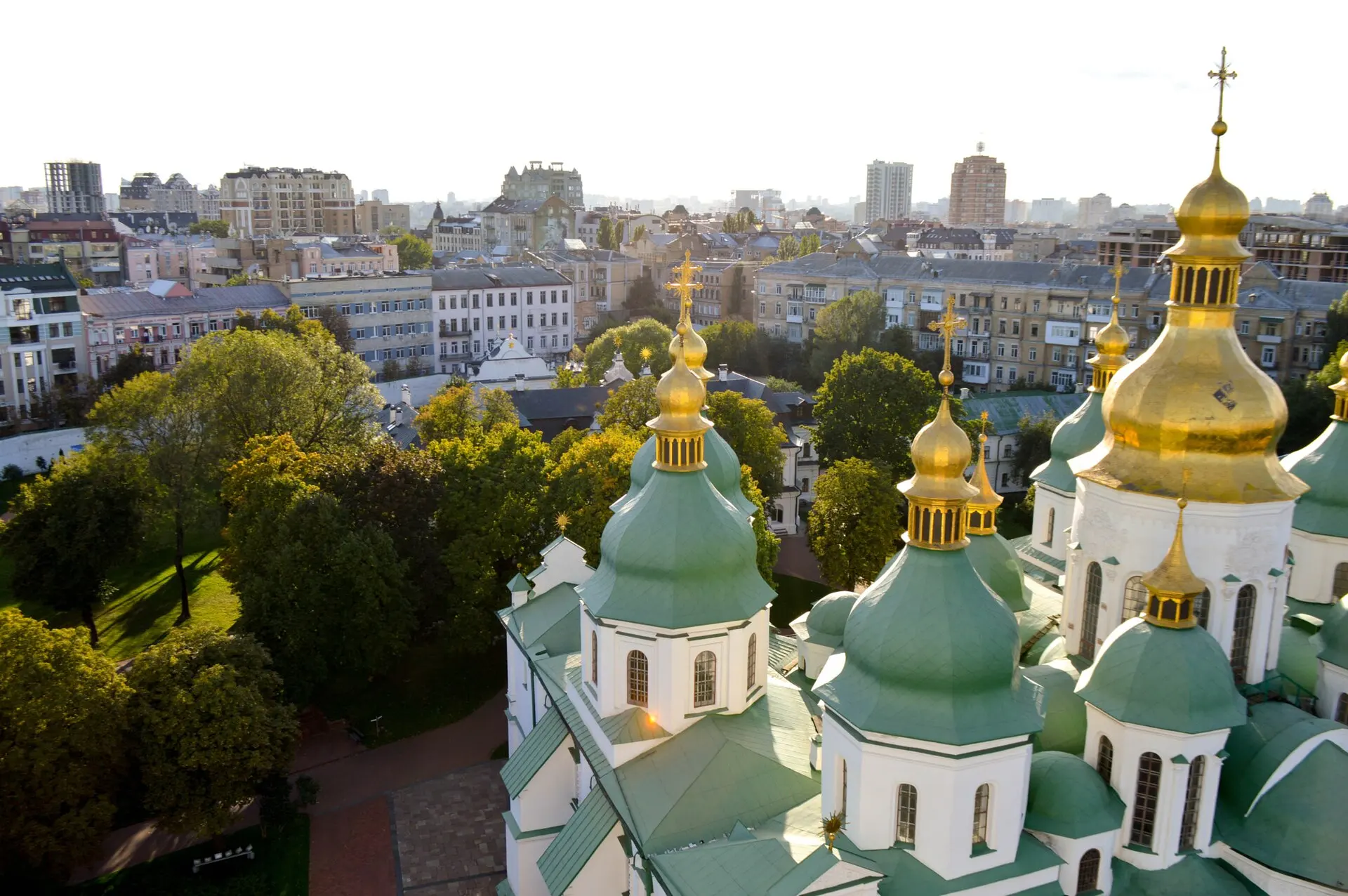
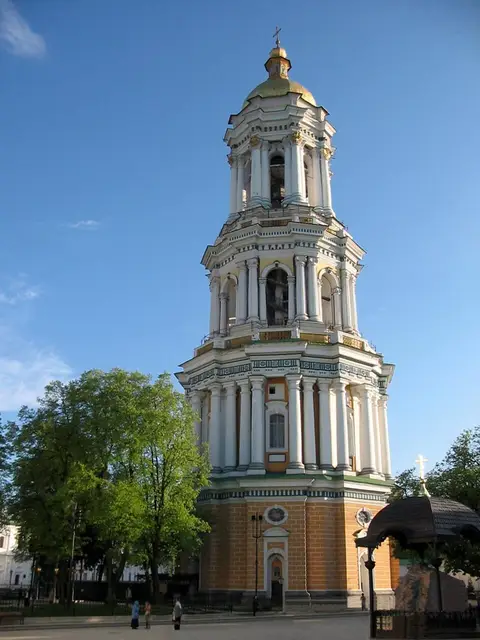
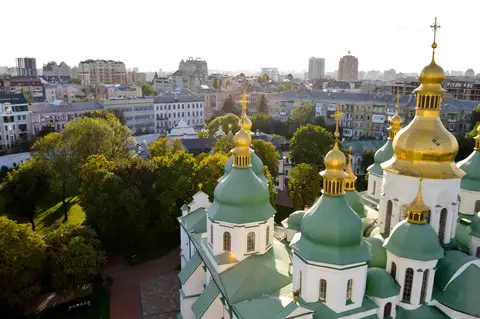
St. Sophia's Cathedral, dating from the 11th century with its Byzantine mosaics and frescoes, is a UNESCO World Heritage site, as is the Kyiv Pechersk Lavra (the Caves Monastery), with its golden domes, churches, and underground passages where monks are buried. Across from St. Sophia's Cathedral, the blue-and-white St. Michael's Monastery gleams with its golden domes. The Golden Gate is a reconstruction of the medieval city gate. Andriivskyi Descent, a steep cobblestone lane with the Baroque St. Andrew's Church by Bartolomeo Rastrelli, leads down into the Podil district. The museum of the writer Mikhail Bulgakov is also located there. In the Pechersk district rises the huge Motherland Monument, whose shield swapped the Soviet coat of arms for the Ukrainian trident in 2023.
Neighborhoods: Podil, Pechersk, and Shevchenko
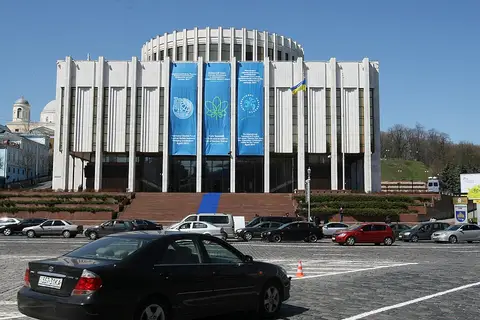
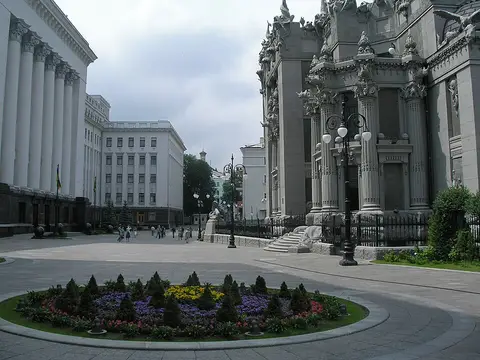
Podil, the old merchants' and craftsmen's quarter by the river, is the coziest neighborhood in the city, with cafés, galleries, and Kontraktova Square. The Shevchenko district contains the Upper Town with St. Sophia's Cathedral, the university with its red main building, and the Botanical Garden. The Pechersk district, with the Lavra, the government quarter, and Mariinskyi Park, is the stately center. The grand boulevard Khreshchatyk leads to Maidan Nezalezhnosti, Independence Square. On the left bank of the river lie residential districts such as Darnytsia and Dniprovskyi, with green Obolon on the riverbank to the north and Holosiiv to the south, with its large forests and the Pyrohiv open-air museum.
Eating and Drinking in Kyiv
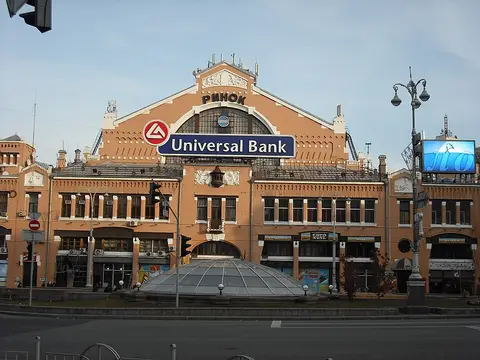
Ukrainian cuisine is hearty: borscht made with beets, recognized by UNESCO as intangible cultural heritage in 2022, varenyky filled with potatoes, farmer's cheese, or cherries, holubtsi, salo, and Kyiv cake, a hazelnut meringue cake. Chicken Kyiv, a chicken cutlet filled with herb butter, bears the name of the city. The Besarabskyi Market hall at the end of Khreshchatyk shows off fruit, cheese, and meat in beautiful displays. Before the war, Kyiv had a remarkable café and bar scene in Podil and around Reitarska Street, and many venues have carried on despite curfews and power outages.
Kyiv in Wartime
Since 2022, everyday life in Kyiv has changed dramatically. Sirens and air-raid alert apps are part of daily life, metro stations serve as shelters, and many monuments are protected with sandbags or wooden enclosures. On the wall of St. Michael's Monastery, photos commemorate fallen defenders. Despite everything, theaters, cafés, and museums are open, and the city shows remarkable resilience.
Getting Around Kyiv
Boryspil International Airport and Zhuliany Airport have been closed to civilian flights since February 2022; at present, you can only arrive overland, for example by train via Poland. The metro, with three lines, is fast and inexpensive; Arsenalna station is among the deepest in the world and now also serves as a shelter. Trams, trolleybuses, and marshrutkas complement the network. In peacetime, late spring weeks with blooming chestnut trees, the symbol of the city, and early fall were considered the best times to visit.