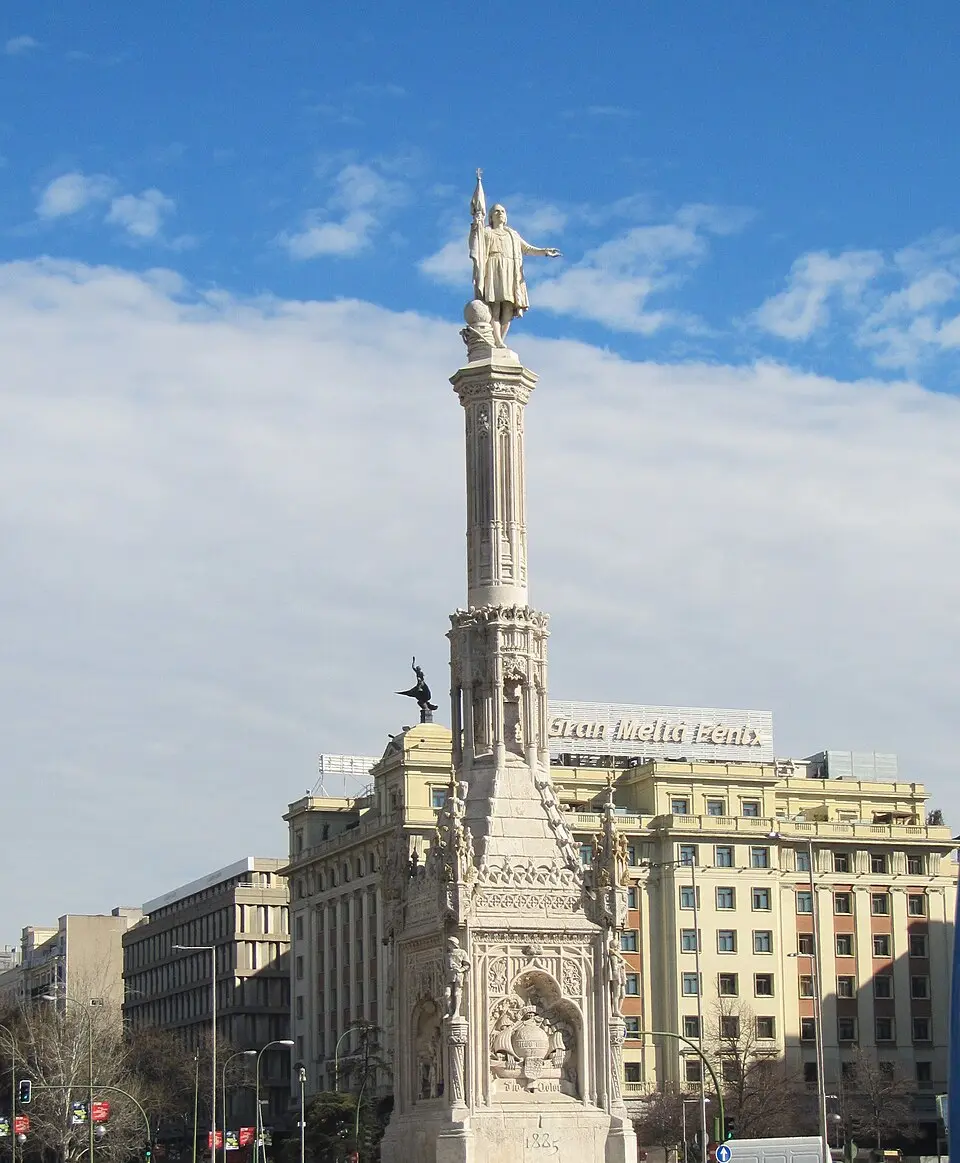
About Monumento a Cristobal Colón
The Columbus Monument stands on the Plaza de Colón in Madrid and brings together two artistic eras. The neo-Gothic pedestal is the work of Arturo Mélida, while the Carrara marble statue towering above it was created by Jerónimo Suñol. It depicts Christopher Columbus holding a Castilian flag. The idea for this national monument came from naval officer Miguel Lobo y Malagamba, who began collecting donations in 1861. After political turmoil and Lobo's death, the project was relaunched several times, including with the support of the Uruguayan state, which donated marble for the pedestal. The pedestal was built between 1881 and 1885, and the statue was completed in 1892. After being temporarily relocated to the Jardines del Descubrimiento, the monument returned to its original site in 2009. Today it makes an important historical statement along the prestigious axis between the Prado and Retiro Park, where you can see the link between Spanish history and the Age of Discovery.
At a glance
- Category
- Sight › Monuments
- Rating
- no reviews yet · write a review
- Address
- Paseo de la Castellana, 4
28046 Madrid, Spain - District
- Salamanca
- Phone
- —
- Website
- —
- —
- Coordinates
- 40.42528° N · -3.69048° E
- Data quality
- confidence 0.79
- Identifier
- ID be666fcb-ebd…
Location & surroundings
Toggle layersFAQ about Monumento a Cristobal Colón
quick answersWhat is the Monumento a Cristobal Colón in Madrid?
The Monumento a Cristobal Colón is the Columbus Monument on the Plaza de Colón in Madrid. It shows Christopher Columbus holding a Castilian flag and stands on a tall pedestal in the Neo-Gothic style. The monument thus combines two artistic eras and commemorates Spanish history and the Age of Discovery.
Who created the Columbus Monument in Madrid, and when was it built?
The Neo-Gothic pedestal of the Columbus Monument in Madrid was designed by Arturo Mélida, while the Carrara marble statue was created by Jerónimo Suñol. The idea came from the naval officer Miguel Lobo y Malagamba, who began collecting donations in 1861. After political turmoil and Lobo's death, the project was relaunched several times; among other contributions, the Uruguayan state donated marble for the pedestal. The pedestal was built between 1881 and 1885, and the statue was completed in 1892.
Where exactly is the Columbus Monument in Madrid?
The Monumento a Cristobal Colón stands on the Plaza de Colón at Paseo de la Castellana 4 in Madrid's Salamanca district. For a time, the monument was moved to the Jardines del Descubrimiento. In 2009, it returned to its original location.
What can you see around the Columbus Monument in Madrid?
Several museums and monuments are within walking distance of the Monumento a Cristobal Colón in Madrid. Right next door, about 69 meters away, are the Torres de Colón, and the Museo de Cera (wax museum) is about 91 meters away. You'll find the Monumento a Blas de Lezo about 187 meters away, the Museo Arqueológico Nacional de España about 246 meters away, and the Fundación Mapfre Bárbara de Braganza about 249 meters away.
Are there restaurants near the Columbus Monument in Madrid?
Yes, there is a wide selection of restaurants around the Monumento a Cristobal Colón in Madrid. travelguide195 lists about 277 restaurants within 500 meters. That makes it easy to combine a visit to the Plaza de Colón in the Salamanca district with a break for a meal.
Ratings & comments
none yetNear Monumento a Cristobal Colón
closest 5 per category · 2 kmSights
Restaurants
Museums
Hotels
More:Monuments in Madrid (114)Sights in Salamanca (28)All sights in Madrid (606)
300 places within 2 km loaded.
Don't miss in Madrid
All sights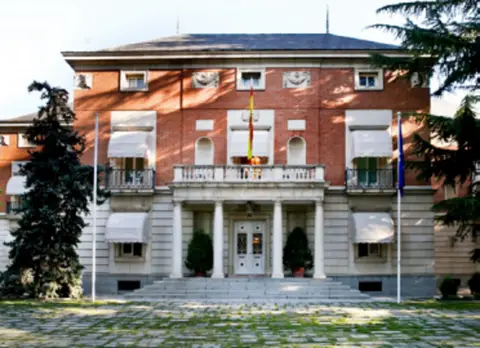 Historic sites01
Palacio de la Moncloa
Avenida Puerta de Hierro, s/n · Madrid● Website● Phone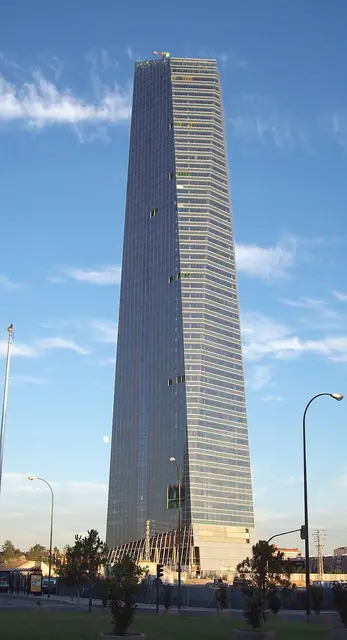 Historic sites02
Torre de Cristal
Paseo de la Castellana, 259 · Madrid● Website● Phone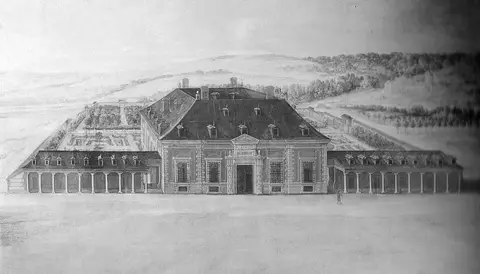 Historic sites03
Palacio de la Zarzuela
Carretera Del Pardo S/N · Madrid● Website● Phone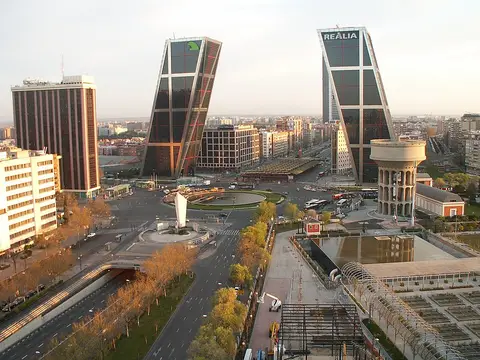 Historic sites04
You need a free account to leave reviews and photos – that keeps comments genuine and lets you edit them later.