About Bitwa o Westerplatte
Westerplatte is a historic peninsula on the edge of the Gdańsk harbor, known around the world as the site where World War II began. The area was originally a sandbank at the mouth of the Vistula, built up into an island, and later into today's peninsula, with dredged material from the harbor canal. In the 19th century, the heavily wooded area was developed into a Baltic seaside resort with a spa park and bathing facilities. This peaceful use ended, however, amid the political upheavals that followed World War I. From 1920, Poland demanded a site for an ammunition depot from the Free City of Danzig, a request the League of Nations confirmed in 1924. Despite opposition from the Danzig Senate, the seaside resort was converted into a fortified ammunition port that, while not Polish sovereign territory, was reserved for the Polish military and closed to unauthorized visitors.
The history of the installation is marked by diplomatic tension and military preparations. In the early 1930s, a series of incidents known as the Westerplatte Affair occurred, when Polish warships entered the harbor against the wishes of the Danzig Senate and the garrison was temporarily reinforced. These shows of strength had unexpected political consequences, however, as they helped strengthen the Nazi Party in Danzig. From 1933, the Polish naval infantry began secretly fortifying the camp. Despite a League of Nations order to demolish the field fortifications, the defenders built an elaborate defense system over the following years. By tearing down old buildings and constructing new barracks and guardhouses with machine-gun emplacements built into the basements, they turned the site into a strong fortress by 1939.
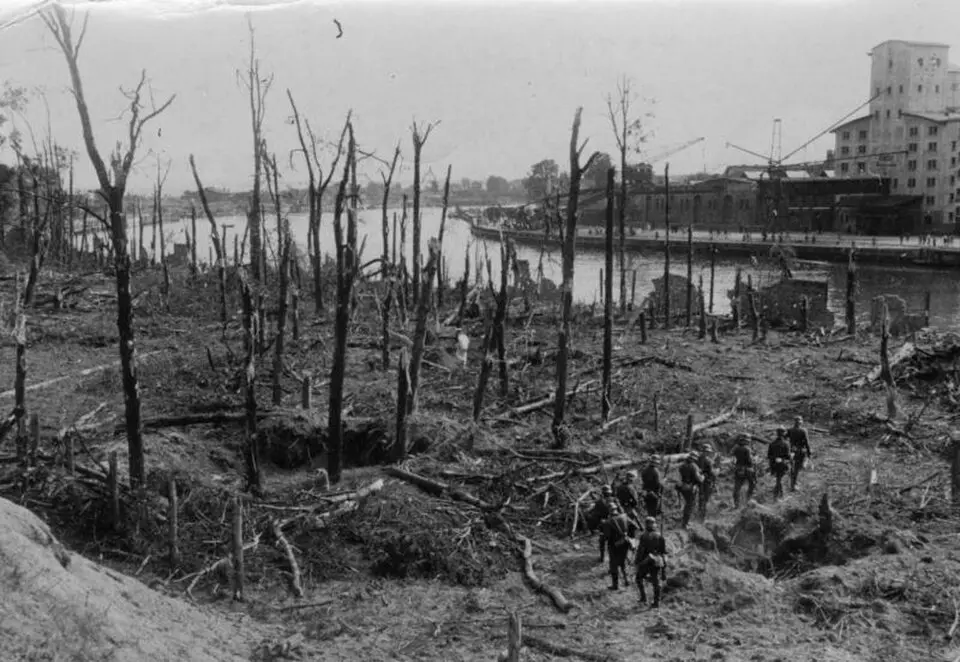
The outbreak of the war on September 1, 1939, began with an attack by the German training ship Schleswig-Holstein, which was lying in the harbor under the pretext of a friendly visit. At 4:47 a.m., the ship opened fire on the Polish garrison, marking the start of the invasion of Poland. The attack was supported by naval assault troops and infantry units, who were nevertheless repelled by the Polish defenders. Despite overwhelming numerical superiority, heavy bombardment from naval guns, and later air raids by dive bombers, the Polish soldiers held their position for seven days. The defenders, led by Major Henryk Sucharski, repelled several assaults until they surrendered on September 7 after a final, futile German offensive. The German officers saluted the departing Polish soldiers, a gesture seen as a sign of respect for the hard-fought battle.
After the war, Westerplatte became a powerful symbol in Poland of resistance to the German occupation. The fierce fighting for the peninsula, which German soldiers called a "little Verdun," shaped the nation's collective memory. Today, a monument decked with flowers commemorates the 15 Polish soldiers who fell during the siege. You can walk into the ruined three-story barracks, which concrete arches have secured against further decay. The ruins tell the story of the destruction caused by the intense shelling and bombing. Three groups of large information panels explain the historical events and the surrender of the fortress.
Today, Westerplatte offers visitors a powerful reminder of the horrors of World War II. The combination of the preserved ruins, the monument, and the informative panels creates a place for reflecting on the human cost of war. The peninsula is not only a historic site but also a place where the victims of the conflict are honored. The story of Westerplatte has also been taken up in art and film, underscoring its cultural significance. Various films, including a 1967 war drama and documentaries from later decades, have depicted the events and the fate of the defenders, keeping interest in this historic site alive.
The political and cultural debate over how to present the history of Westerplatte is still unresolved today. In Gdańsk, there are efforts to build a Westerplatte Museum that would be merged with the Museum of the Second World War. These plans have caused controversy in the past, particularly over how the heroic defense should be portrayed. The debate shows how deeply the memory of the events of 1939 is rooted in Polish society and how important it is to preserve this history authentically and respectfully. Westerplatte thus remains a place of great significance, both historically and politically.
For travelers, Westerplatte is an essential stop on any route through Gdańsk. Its location right on the harbor offers an impressive view of the waterways once traveled by the Schleswig-Holstein. A visit lets you grasp the historical dimension of the place and appreciate the courage of the Polish defenders. The atmosphere is one of stillness and reflection, broken only by the information on the panels and the traces of destruction. It is a place that invites you to pause and reminds visitors of the tragic events of 1939, which marked the beginning of one of the most devastating conflicts in human history.
At a glance
- Category
- Sight › Historic sites
- Rating
- no reviews yet · write a review
- Address
- —
Gdańsk, Poland - Phone
- —
- Website
- pl.m.wikipedia.org
- —
- Coordinates
- 54.40750° N · 18.67139° E
- Data quality
- confidence 0.74
- Identifier
- ID c6252b5a-b90…
Location & surroundings
Toggle layersRatings & comments
none yetNear Bitwa o Westerplatte
closest 5 per category · 2 kmSights
Restaurants
Hotels
More:Historic sites in Gdańsk (237)All sights in Gdańsk (254)
28 places within 2 km loaded.
Don't miss in Gdańsk
All sights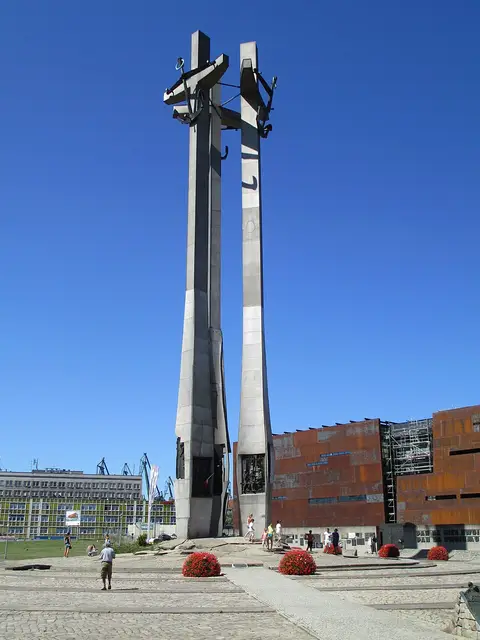 Monuments01
Monument to the Fallen Shipyard Workers of 1970
Plac Solidarności · Gdańsk● Website○ Phone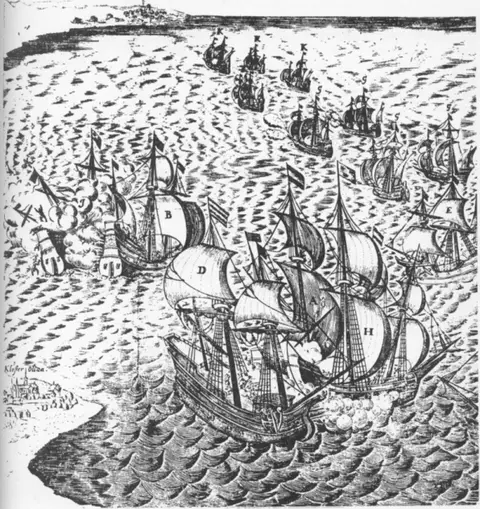 Historic sites02
Bitwa pod Oliwą
No address · Gdańsk○ Website○ Phone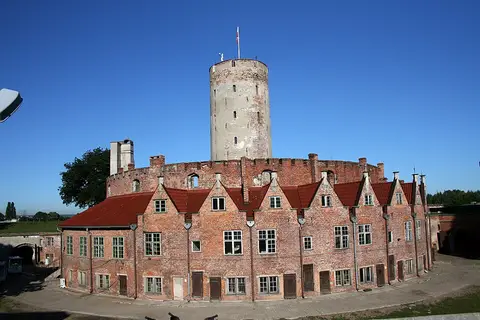 Historic sites03
Twierdza Wisłoujście
Stara Twierdza 3 · Gdańsk● Website● Phone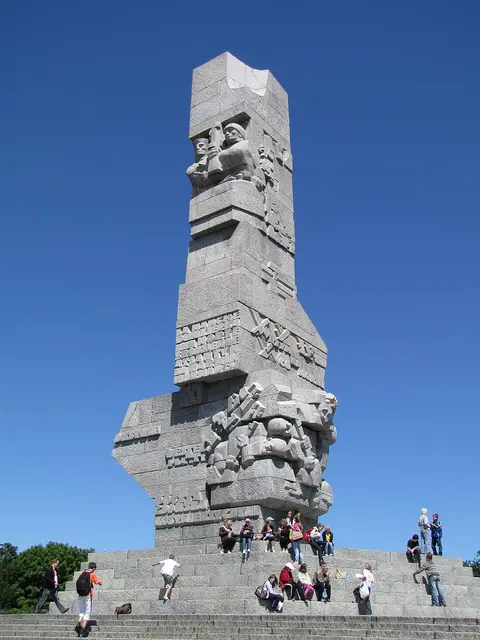 Historic sites04
You need a free account to leave reviews and photos – that keeps comments genuine and lets you edit them later.