Utrecht: Cathedral City, Wharf Cellars, and Castles on the River
Travel guide · editorialThe smallest province in the Netherlands sits right in the middle of the country and is its most important transportation hub. A vacation in Utrecht takes you to one of Europe's liveliest university cities, onto the forested hills of the Utrechtse Heuvelrug, and to country estates and castles along the Vecht.
Landscape and Location
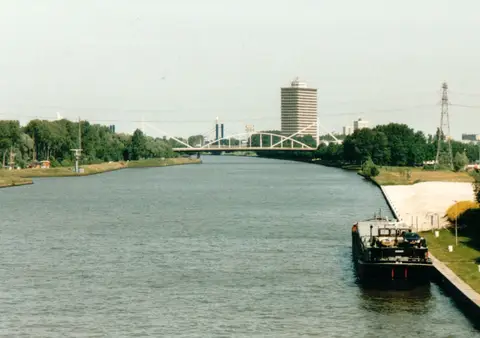
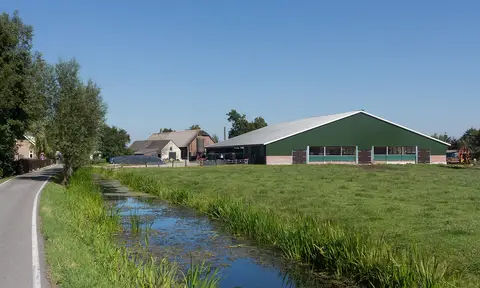
In the west, the province is part of the Green Heart, a polder landscape of pastures, peat lakes, and cows, and around Woerden also cheese country. To the east, the terrain rises toward the Utrechtse Heuvelrug, an Ice Age push moraine ridge of forests and heathland that has been a national park since 2003. Country estates lie between Zeist, Doorn, and Rhenen; in Doorn, the last German emperor, Wilhelm II, spent his years in exile, and Huis Doorn is now a museum. The Kromme Rijn, the Vecht, and the Lek flow through the province.
The City of Utrecht
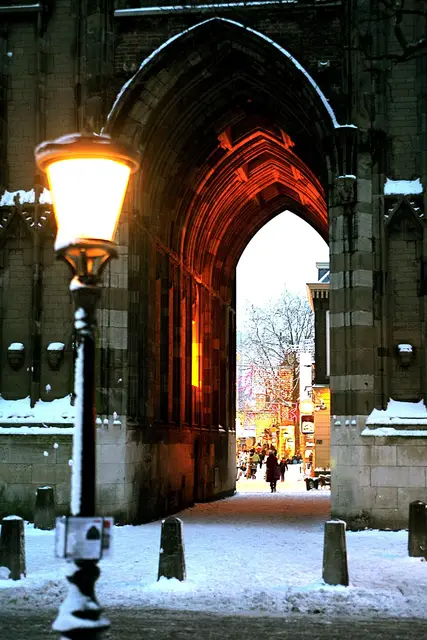
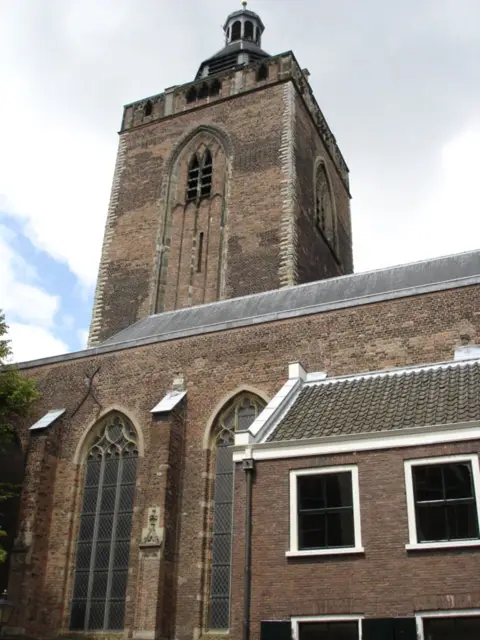
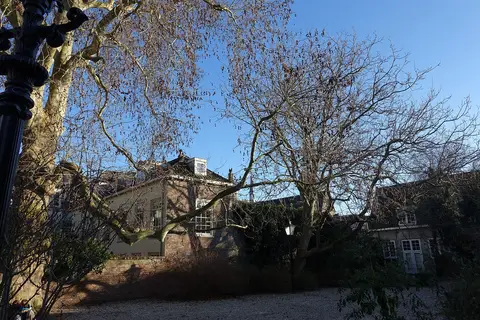
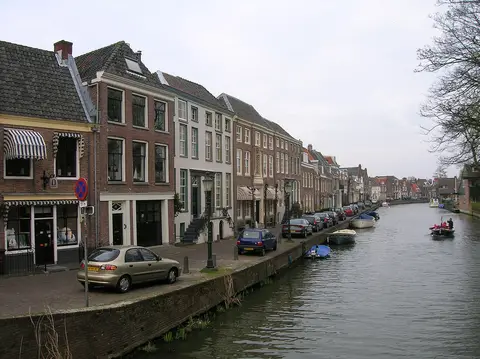
The landmark of the provincial capital is the Dom Tower, at just over 112 meters (about 367 feet) the tallest church tower in the country. The nave that once stood between tower and choir collapsed in a storm in 1674, which is why the tower and choir still stand apart today. The wharves along the Oudegracht are special: the canals here run low, and former storage cellars open onto their banks, where cafés and restaurants now sit right at the water's edge. The Rietveld Schröder House, a key work of the De Stijl movement, is a UNESCO World Heritage site; the Centraal Museum holds the largest Rietveld collection. Fans of Dick Bruna visit the Miffy Museum. The university, founded in 1636, gives the city a youthful rhythm, and in the evening the old town is full of cyclists.
Sights in and around Utrecht
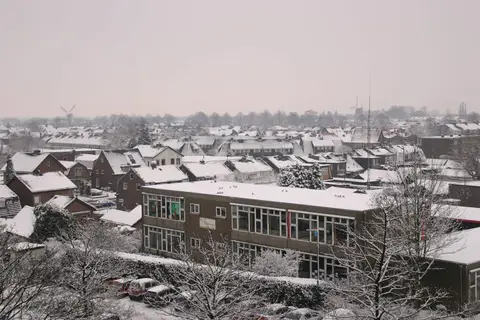
Amersfoort, the second-largest city, has an almost complete medieval city wall with the Koppelpoort water gate, and the Mondriaan House in the painter's birthplace. North of the capital, country houses line the Vecht, and near Haarzuilens stands Kasteel de Haar, the largest castle in the Netherlands, rebuilt in the Neo-Gothic style in the late 19th century. Zeist is known for Slot Zeist and the Moravian Church settlement, Soest for its dunes and woods. Nieuwegein, Veenendaal, and Maarssen are mainly modern residential and working towns, but you can quickly reach nature from them.
Food, Drink, and Culture
In the wharf cellars along the Oudegracht, you can eat anything from pancakes to multi-course menus. Typical local treats are Utrechtse Sprits, a shortcrust pastry, and cheese from the Woerden area, where a traditional farmers' cheese market takes place from spring to fall. In autumn, the Netherlands Film Festival showcases the country's annual production, and around the turn of August and September, the Festival Oude Muziek draws early music lovers. The Tivoli Vredenburg concert halls are among the largest music centers in the country.
Getting There and Best Time to Visit
Utrecht Centraal is the largest train station in the Netherlands, ICE trains from Frankfurt and Cologne stop here, and Schiphol is only about half an hour away. The bicycle parking garage at the station, with more than 12,000 spaces, is an attraction in its own right. The best time to visit is between April and October, when the terraces along the canals are open and the Heuvelrug invites you to go hiking. Among the loveliest destinations near Utrecht for a day trip is Wijk bij Duurstede on the Lek, where a windmill towers over the old town.