Groningen: Student City, Terp Villages and the Wadden Coast
Travel guide · editorialIn the far northeast of the Netherlands lies a province that many people know only from passing through on the way to Amsterdam. Yet a trip to Groningen is well worth it: the capital of the same name is young and lively, while the surrounding countryside is wide and quiet, with villages on earthen mounds, medieval brick churches and the Wadden Sea beyond the dike.
The City of Groningen
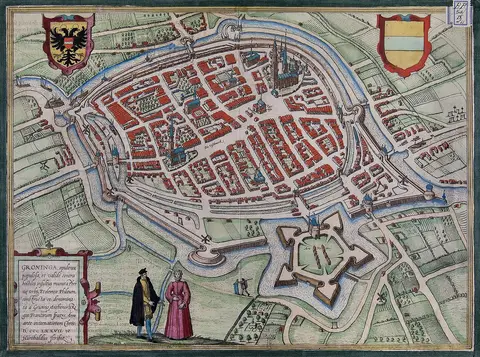
Around a quarter of the city's residents are students, and the university has been around since 1614. As a result, the bars around the Grote Markt and Poelestraat are packed in the evenings, and bicycles dominate traffic, since the city center is largely car-free. The Martinitoren, a good 97 meters tall, towers over the old town. Across from the train station, on an island, stands the Groninger Museum, a colorful postmodern building from the 1990s with changing exhibitions on art and design. The Forum, a cultural center with a rooftop terrace, is a more recent landmark. Haren, a green suburb, is now part of the municipality.
Landscape and Villages
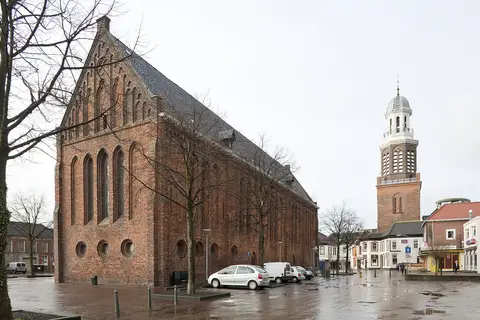
The Hogeland in the north is an open, low-lying marshland, settled since the Iron Age on wierden, artificial mounds that protected against floods. Ezinge, Warffum and Eenrum still show this settlement pattern today. Scattered across the villages are around 50 Romanesque and Gothic brick churches, many with historic organs. To the east lie Oldambt and the peat colony area around Veendam and Stadskanaal, where peat was cut and transported away along long canals. Winschoten is the center of the Oldambt, a grain-growing region with large manorial farms.
Sights in Groningen
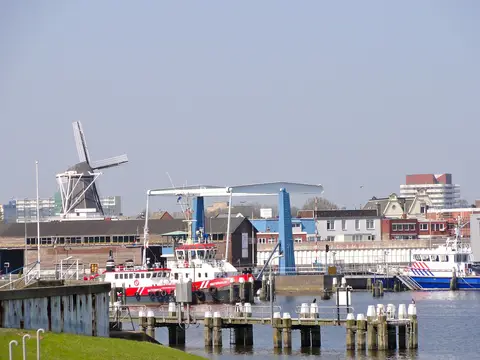
The Menkemaborg in Uithuizen is one of the few surviving borgen, the fortified country estates of the Groningen nobility, complete with a moat and a Baroque garden. Bourtange Fortress near the German border, a star-shaped fortification from the 16th century, has been lovingly restored and is a popular destination for day trips. Pieterburen is the starting point for guided mudflat hikes and home to a seal rehabilitation center. Delfzijl on the Dollart has a harbor and a beach; in Appingedam, old kitchens hang over the Damsterdiep canal.
Daily Life, Food and History
Starting in the 1960s, one of Europe's largest natural gas fields was tapped near Slochteren. The extraction triggered numerous earthquakes, damaged thousands of homes and was finally ended in 2024. Culinary specialties include Groninger koek, a spice cake, mosterdsoep, a mustard soup, and metworst, a spicy cured sausage. Hopjes, small coffee candies, and the herbal liqueur Hooghoudt also come from the province.
Getting There and Best Time to Visit
Groningen can be reached by train from Zwolle and Amsterdam in a little over two hours, and from East Frisia the A7 leads straight into the province from Leer. The small Groningen Eelde Airport lies south of the city in Drenthe. The best time to visit is May through September, when mudflat hikes are possible; in winter, the city offers museums, concerts and cozy cafés. In January, the Eurosonic Noorderslag festival draws musicians and industry professionals from all over Europe, and in August the Noorderzon theater festival takes over the Noorderplantsoen city park. If you want to explore the surrounding countryside, rent a bike in the city and follow the node-network cycling routes to the village churches of the Hogeland, which are often open to visitors in summer.