About Kloveniersdoelen, Amsterdam
Until its demolition in the late 19th century, the Kloveniersdoelen was one of the three major shooting ranges of Amsterdam's civic guard and also served as headquarters for the city's companies. The name comes from the marksmen who were armed with an early form of musket known as the arquebus. As the oldest of the three ranges, which together with the archers and crossbowmen were meant to ensure the defense of the city, the building has a long history that reaches back to the Middle Ages. Originally built in 1382, it was rebuilt in 1520 at a new site near the city wall. In 1638, a magnificent new building followed in the then-modern Classical style, featuring an impressive banquet hall that reminded visitors of the splendor of London's Banqueting House.
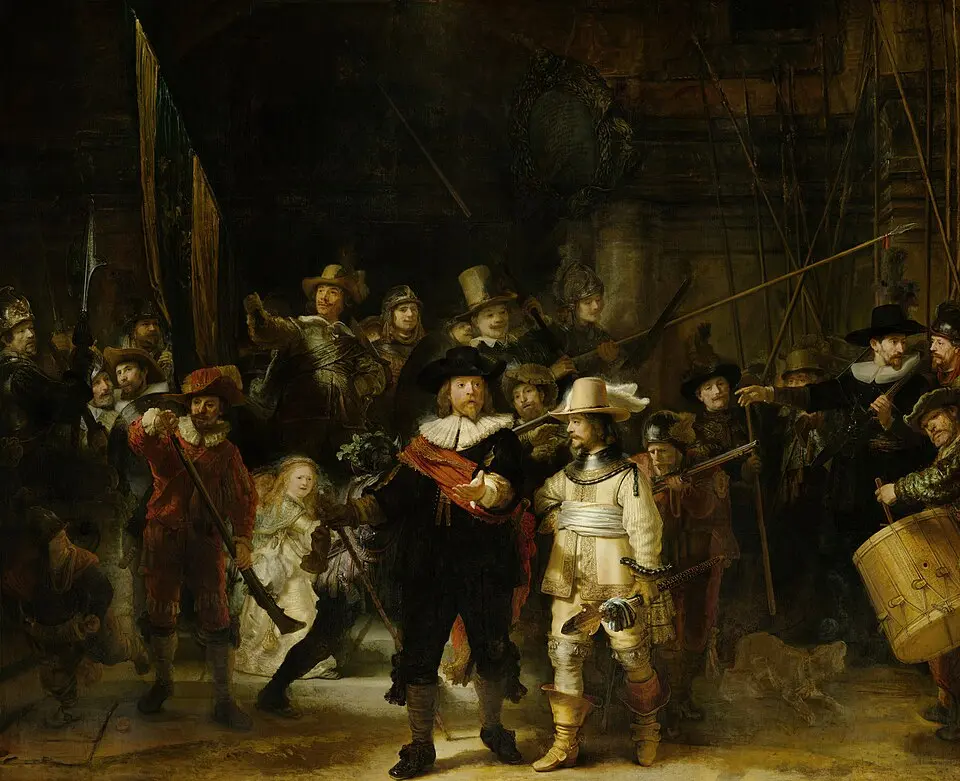
After the end of the Eighty Years' War, the civic guard lost its military function and became a social gathering place for the wealthy elite of the Dutch Golden Age. In the elegant rooms, influential citizens met to eat, drink, and smoke, and the building also hosted prominent guests such as Marie de' Medici and Tsar Peter the Great, who watched fireworks from here. The hall was also the scene of political protest when, in 1748, large crowds gathered to demonstrate against corruption in the city government. In terms of art history, the site is best known for Rembrandt's famous painting The Night Watch, which was commissioned in 1642 for the great hall. Other group portraits by renowned artists such as Pickenoy and Flinck adorned the walls before they were later moved to the town hall or sold at auction.
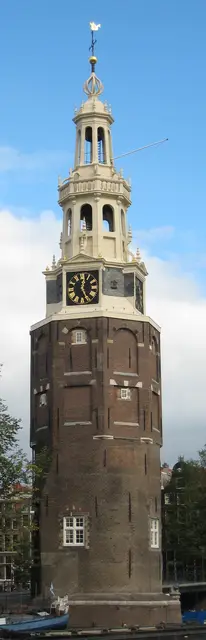
Today, the Doelen Hotel, built in the 19th century, stands at the corner of Nieuwe Doelenstraat and Kloveniersburgwal, occupying the former grounds of the Kloveniersdoelen. The Neo-Renaissance building still contains parts of the original walls and foundations of the historic complex. A direct reminder of the military past can be found in the hotel's architecture, where two figures of marksmen are depicted on the domed tower. These figures originally held muskets, which are no longer there today. While the other two shooting ranges of Amsterdam's guard, the Handboogdoelen and Voetboogdoelen, were located along the Singel, only the Handboogdoelen has survived as an architectural legacy.
At a glance
- Category
- Sight › Historic sites
- Rating
- no reviews yet · write a review
- Address
- —
Amsterdam, Netherlands - District
- Centrum
- Phone
- —
- Website
- —
- —
- Coordinates
- 52.36778° N · 4.89556° E
- Data quality
- confidence 0.74
- Identifier
- ID 391ab8a7-15d…
Location & surroundings
Toggle layersRatings & comments
none yetNear Kloveniersdoelen, Amsterdam
closest 5 per category · 2 kmSights
Restaurants
Museums
Hotels
More:Historic sites in Amsterdam (397)Sights in Centrum (132)All sights in Amsterdam (475)
300 places within 2 km loaded.
You need a free account to leave reviews and photos – that keeps comments genuine and lets you edit them later.