Discovering Cuautitlán Izcalli: A Planned City in the North
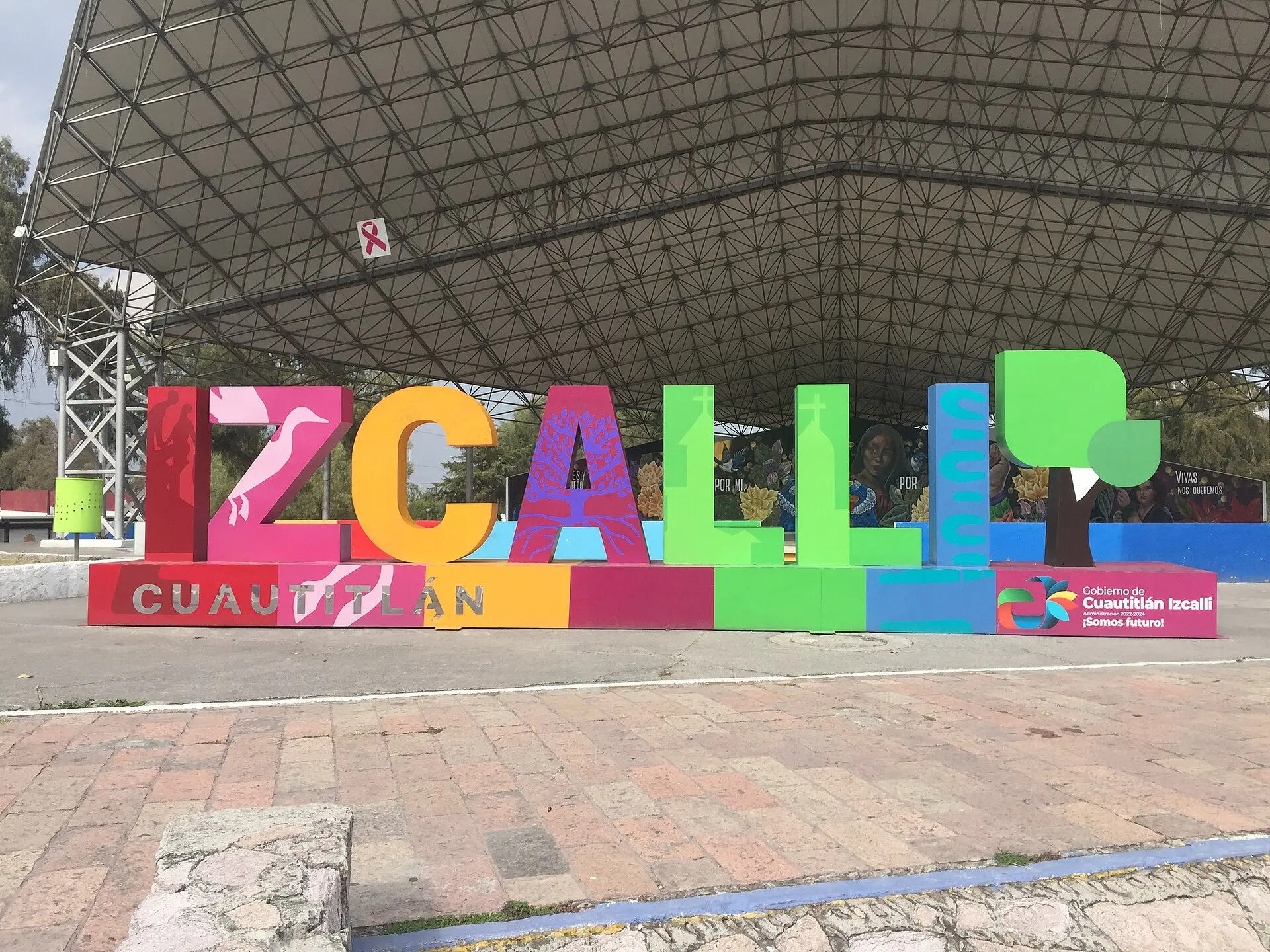
Travel guide · editorialCuautitlán Izcalli was drawn up on the drawing board in 1973 as a modern city for the growing northern part of Greater Mexico City. For travelers, this municipality in the Estado de México is a practical base: the Baroque town of Tepotzotlán, a reservoir, and the new AIFA airport are all close by.
A Young City with Ancient Neighbors
The name combines Cuautitlán, "among the trees," with the Nahuatl word Izcalli, "new house." Starting in 1971, the state planned a satellite city here with residential districts, industrial zones, and wide avenues, and in 1973 Cuautitlán Izcalli became a municipality in its own right. Its neighbors are considerably older: Cuautitlán was already an important settlement before the Conquest, and it is the birthplace of Juan Diego, who according to tradition witnessed the apparition of the Virgin of Guadalupe. Today more than half a million people live in Izcalli, and many commute to Mexico City every day.
Sights in Cuautitlán Izcalli
Classic sights are rare in this young city. A popular outing is the Lago de Guadalupe, a reservoir on the edge of the municipality surrounded by forests and hills, where you can walk, row, and picnic. Horseback rides, kayak tours, and mountain-bike trails make it a nearby getaway for the entire northern part of the metropolitan area. Within the city, several parks and sports facilities offer green space, used mainly by families on weekends. In neighboring Cuautitlán stands the Cathedral of San Buenaventura, with artworks from the colonial era. The name of the Huilango district recalls the region's Indigenous roots.
Eating and Going Out
The cuisine is that of the central highlands: barbacoa and consomé on weekends, tacos al pastor, quesadillas, and tamales on every corner. In Tepotzotlán, just a few minutes away, you'll find restaurants with terraces on the main square and pulquerías. In Izcalli itself, restaurants, bars, and movie theaters are concentrated in the shopping centers along the México–Querétaro highway and around the Centro Urbano. Mercados and tianguis offer fresh fruit, vegetables, and street-food stalls. At the Lago de Guadalupe, small eateries open on weekends serving trout and quesadillas with a view of the water. If you want to try pulque, the villages in the surrounding area still have traditional taverns where the drink comes fresh from the barrel.
Getting Around, When to Go, and Excursions
The Tren Suburbano connects the Cuautitlán station with Buenavista in Mexico City in about 25 minutes; AIFA airport (NLU) is roughly 25 kilometers to the northeast. The México–Querétaro highway runs through the municipality. As in many municipalities in the Estado de México, crime is a problem; at night, it's best to use ride-hailing services. The best time to visit is the dry season from October to April. The most important excursion takes you to Tepotzotlán: the former Jesuit college, with the Church of San Francisco Javier, a masterpiece of Churrigueresque Baroque, houses the Museo Nacional del Virreinato. Nearby are the Arcos del Sitio, an 18th-century aqueduct whose arches span a deep gorge and which you can explore on a hike. At Christmastime, Tepotzotlán stages traditional pastorelas, nativity plays with music and humor.