Discover Toyota: Car City, Art, and a Maple Gorge
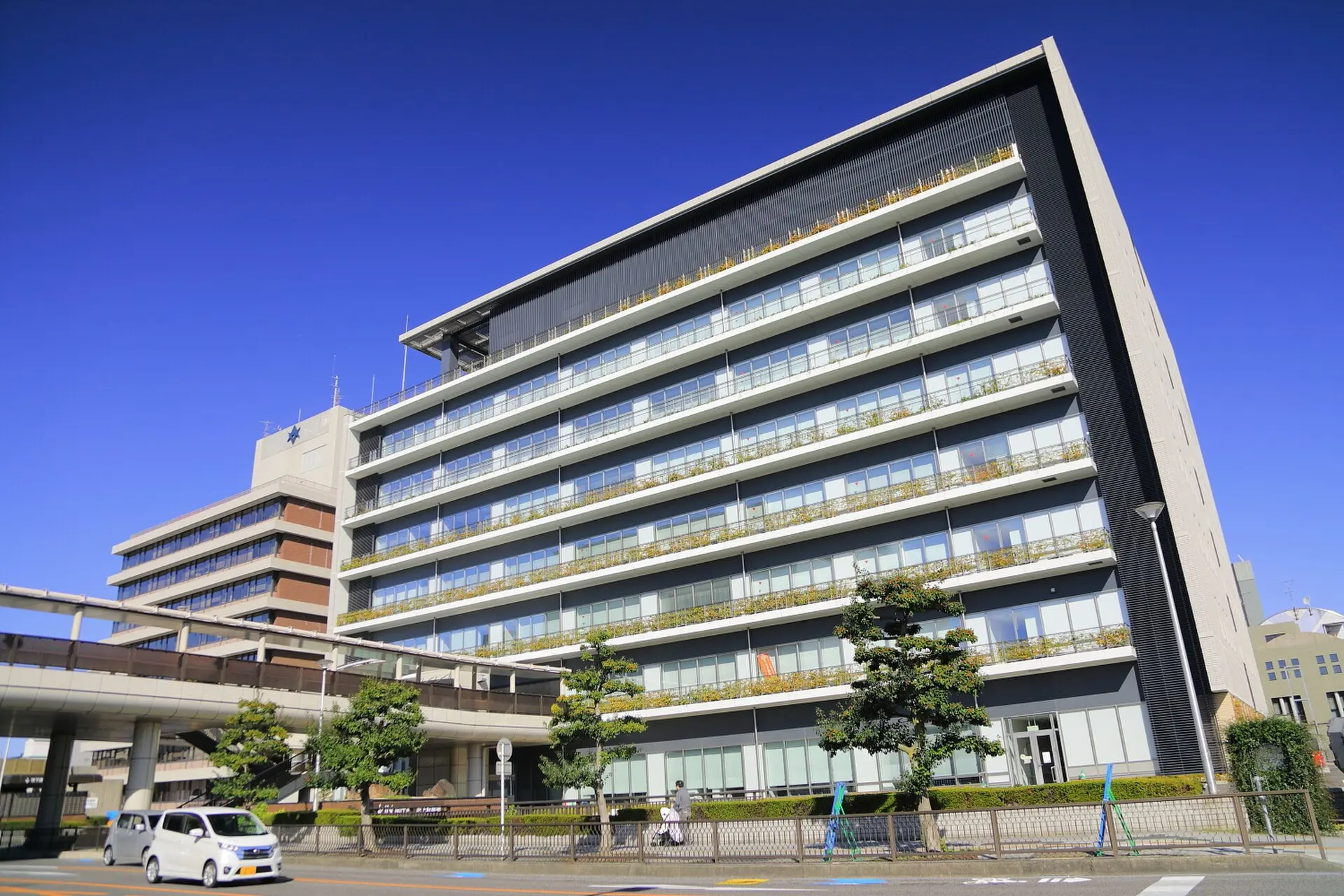
Travel guide · editorialUntil 1959, the city was called Koromo, and then it renamed itself after the company that shaped it like hardly any other. A trip to Toyota shows you more than factory halls, though: a world-class art museum, a gorge that glows red in autumn, and the roots of the Tokugawa dynasty in the mountains.
The Car City and Its Factories
In the 1930s, Kiichirō Toyoda, son of loom inventor Sakichi Toyoda, had his first large auto plant built on the Koromo plateau. Today Toyota Motor Corporation has its headquarters here, and numerous suppliers operate around the city. At the Toyota Kaikan, the visitor center next to the headquarters, you can see current models, robotics, and concepts for the future; from there, factory tours start by advance registration, giving you a look at the famous Toyota Production System, with its just-in-time and kaizen principles, on the assembly line. If you're interested in the company's origins, you'll find the Toyota Commemorative Museum of Industry and Technology in Nagoya.
Sights in Toyota
The Toyota Municipal Museum of Art, on the grounds of the former Koromo Castle, was designed by Yoshio Taniguchi, who later expanded MoMA in New York. The collection ranges from Klimt and Schiele to contemporary art, and includes a teahouse by a mirror-like pool of water. Visible from far away is Toyota Stadium by Kishō Kurokawa, with its distinctive masts, a venue of the 2019 Rugby World Cup and the home ground for some matches of the soccer club Nagoya Grampus. In the hill country lies Matsudaira, the ancestral territory of the clan from which Tokugawa Ieyasu emerged; a shrine and Kōgetsu-in temple commemorate the ancestors of the shoguns.
Kōrankei and the Mountain Town of Asuke
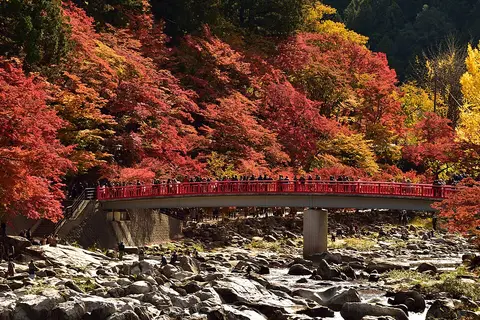
Since the municipal merger in 2005, the mountainous hinterland has belonged to Toyota, and with it one of central Japan's best-known autumn destinations. In the Kōrankei gorge along the Tomoe River, around 4,000 maple trees turn color in November; in the evening they are illuminated and reflected in the water beneath the red Taigetsu Bridge. In spring, a carpet of katakuri, delicate purple lilies, blooms on Mount Iimori. Right next door lies Asuke, an old merchant town on the salt road to the coast, with clay storehouses and wooden houses. At the Sanshū Asuke Yashiki open-air museum, craftspeople demonstrate weaving, blacksmithing, and papermaking.
Eating in Toyota
The cuisine follows the Mikawa tradition: dark Hatchō miso seasons stews and udon, and eel is served sweetly glazed over rice. In the hill country, you'll find gohei-mochi, flat rice cakes on wooden skewers, brushed with walnut miso and grilled over charcoal. Around Toyota-shi Station, izakaya and ramen shops line the streets, frequented by factory workers after their shifts. In July, the city celebrates the Oiden Festival with dance groups and a large fireworks display on the Yahagi River.
Getting There and Best Time to Visit
From Nagoya, you can reach Toyota in about 50 minutes on the Tsurumai subway line, which continues directly onto the Meitetsu Toyota Line. The Aichi Loop Railway also connects to Okazaki and the Tōkaidō Shinkansen. Buses run to Kōrankei and Asuke; in autumn, expect traffic jams. The best time to visit is mid to late November for the foliage, while spring is just as good for walks. Summers in the basin are hot and humid.