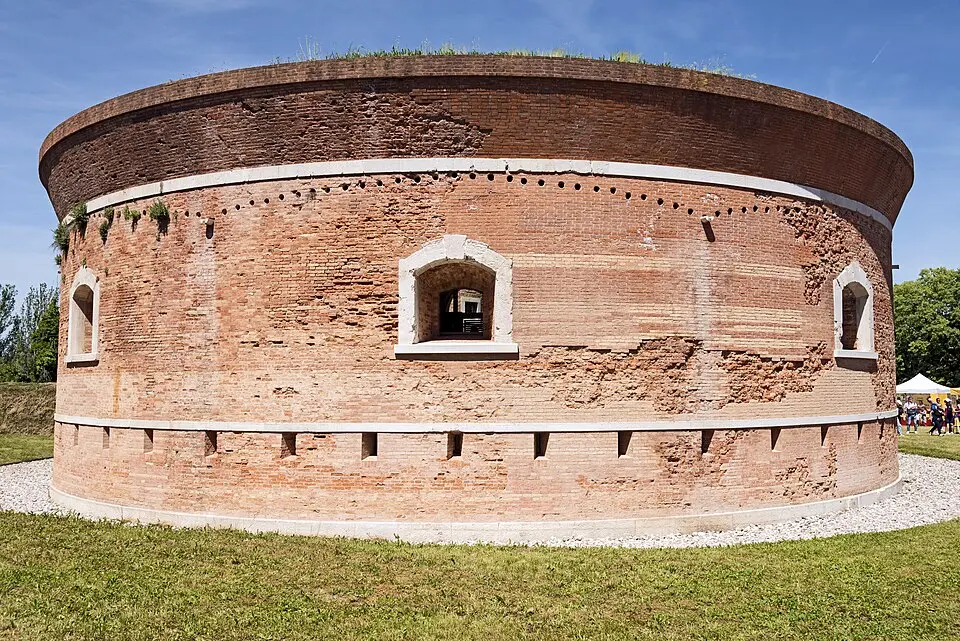
About Torre Massimiliana
Torre Massimiliana is a sight (Historic sites) in Venice, in the Venezia-Murano-Burano district. Up-to-date information is available on its own website, and you can reach it by phone at +390412444142. Just around the corner: Tedeschi SRL (restaurant, 65 m) and Il Lato Azzurro (hotel, 388 m).
Compiled from structured data
At a glance
- Category
- Sight › Historic sites
- Rating
- no reviews yet · write a review
- Address
30141 Venice, Italy- District
- Venezia-Murano-Burano
- Phone
- +390412444142
- Website
- www.parcolagunavenezia.it
- —
- Coordinates
- 45.44506° N · 12.39314° E
- Data quality
- confidence 0.99
- Identifier
- ID 365edef9-fac…
Location & surroundings
Toggle layersRatings & comments
none yetNear Torre Massimiliana
closest 5 per category · 2 kmSights
Restaurants
Museums
None within 2 km.
Hotels
Cocktail bars
None within 2 km.
More:Historic sites in Venice (244)All sights in Venice (323)
14 places within 2 km loaded.
Don't miss in Venice
All sights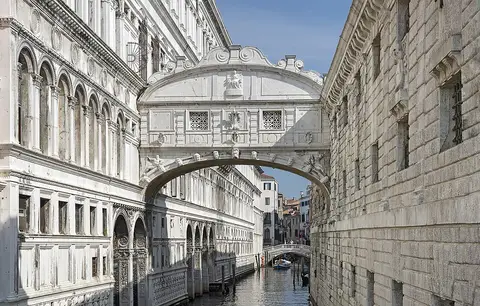 Monuments01
Ponte dei Sospiri
San Marco, Sestiere San Marco, 1 · Venice● Website● Phone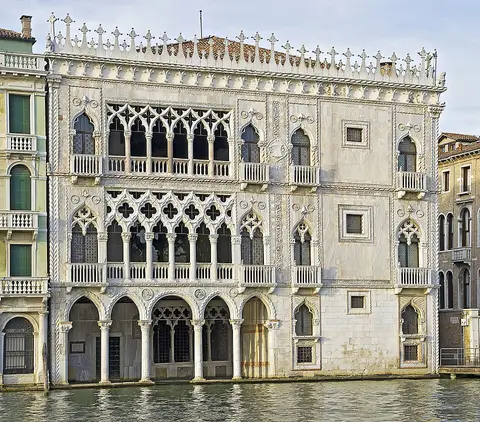 Palaces02
Ca' D'Oro
Ca' D'Oro Venezia · Venice● Website● Phone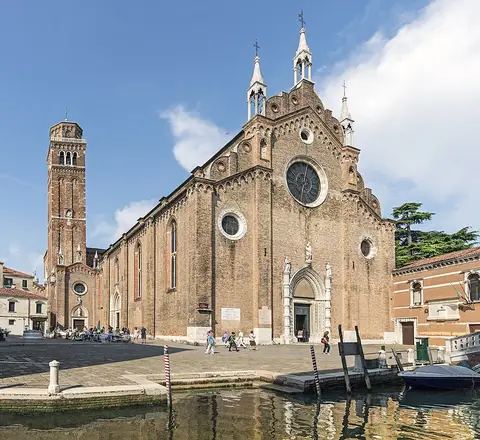 Historic sites03
Venezia Santa Maria Gloriosa Dei Frari
No address · Venice○ Website○ Phone Monuments04
You need a free account to leave reviews and photos – that keeps comments genuine and lets you edit them later.
The Massimiliana tower is a circular plan structure built between 1843 and 1844 on the extreme southern tip of the island of Sant'Erasmo, above the foundations of an earlier French fort. Surrounded by a moat and an irregular polygonal bank, it was placed in defense of the port mouth of Lido. It was built on the order the Archduke Maximilian of Austria. It is the only example of this type of tower still existing in Italy. It was used during the Second World War as an anti-aircraft battery, and occupied by German troops in 1943. In April 1945 the retreating Germans seriously damaged it in an attempt to blow it up. It was used in the post-war period as a precarious housing by the displaced, and later used as an agricultural warehouse. In the late 1990s, it fell into a state of total abandonment. It was restored in 2004, and hosts art and photography exhibitions and cultural events.
Source: Wikivoyage, „Sant'Erasmo“ · authors per page history · CC BY-SA 4.0 · as of 6/6/2018