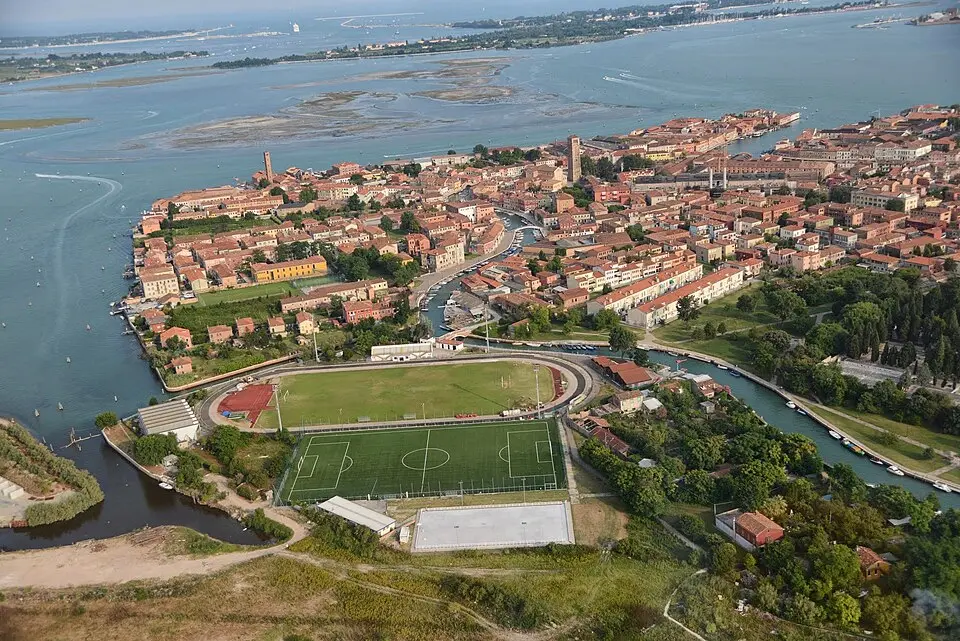
About Insula Murano
Murano is a group of islands in the central lagoon of Venice, stretching northeast of the historic center. It consists of seven individual islands, separated by eight canals and linked by eleven bridges. The total area is just under 1.2 square kilometers (about 0.46 square miles), and the islands lie only one meter above sea level. Geographically, the broad Canal Grande di Murano divides the archipelago into a northern and a southern group. The northern group includes the main island of San Donato and the artificially created island of Sacca Mattia, while the southern group consists of San Pietro Martire, Santo Stefano, and the artificial island of Sacca Serenella. This layout resembles that of Venice's historic center, where canals also define the landscape and bridges carry you between the different parts of the islands.
Murano's history goes back to late antiquity. In the 5th and 6th centuries the population grew sharply as refugees from the mainland, especially from Altinum, sought protection from the Huns and Lombards. Salt production originally played a major role: in the 11th century, five of the lagoon's twelve most important salt works were located in this area. Grain milling with water mills was also important, and the first documented mention of a mill dates to the year 1001. Over time, however, the island's focus shifted to glassmaking, which became its defining feature.
Glass production was moved to Murano at the end of the 13th century, mainly for fire safety reasons, to protect the historic center from the danger posed by the hot glass furnaces. Another important factor was keeping manufacturing techniques secret. Glassblowers were forbidden, on pain of death, to share their knowledge or leave the island. This strict control is why Venice is regarded as the cradle of glassmaking in central Europe. In the 15th century, colorless Venetian cristallo developed into a luxury art form shaped by a combination of craftsmanship, state regulation, and high demand. Despite the secrecy, some glassblowers managed to emigrate north in the 17th century and found glassworks there, which weakened Venice's dominance in the long run.
After a decline toward the end of the Republic of Venice, glass art enjoyed a revival in the 19th century, helped along by the rise of tourism. The founding of a glassmaking school in 1860 and the establishment of new companies brought traditional techniques back to life, such as thin-walled winged glasses and filigree and reticello glass. In the 20th century new styles emerged, including expressionist colors and geometric Op Art designs, shaped by artists such as Paolo Venini and Fulvio Bianconi. In 1924 the island was incorporated into the city of Venice over the opposition of its residents, which led to local unrest, yet Murano's cultural identity remained firmly rooted in glass production.
For visitors, the Museo del Vetro in the Palazzo Giustinian is a central attraction. It documents the thousand-year history of glassmaking through vases, mirrors, and drinking vessels. The museum opened in 1854 and also houses works by contemporary artists. Besides the museum, the Basilica of Santi Maria e Donato is well worth a visit; it was completed in its present form in the 12th century. It was once the cathedral of the bishops of Torcello and Murano. It is especially known for its colorful mosaic floor from 1140 and the Byzantine-style half-dome in the apse, which depicts the Madonna against a golden background. The church's architecture, with its white columns and arches, bears witness to the early craftsmanship of Venetian builders.
Other sights include the church of San Pietro Martire, built in the 14th century as the monastery church of the Dominicans, and the Palazzo da Mula, one of the last surviving villas from the 14th century. A monument commemorates the writer Italo Svevo, who lived on the island from 1898 to 1916 and ran a factory for underwater paints there. The island is easily reached from Venice by vaporetto, with several lines connecting Murano to Venezia Santa Lucia station and other key points in the city. Murano thus offers a unique mix of historic architecture, living glass art, and cultural tradition, making it an essential destination for visitors to the lagoon city.
At a glance
- Category
- Sight › Historic sites
- Rating
- no reviews yet · write a review
- Address
- —
Venice, Italy - District
- Venezia-Murano-Burano
- Phone
- —
- Website
- —
- —
- Coordinates
- 45.45833° N · 12.35333° E
- Data quality
- confidence 0.81
- Identifier
- ID a820c33c-cbf…
Location & surroundings
Toggle layersRatings & comments
none yetNear Insula Murano
closest 5 per category · 2 kmSights
Restaurants
Museums
Hotels
Cocktail bars
More:Historic sites in Venice (244)All sights in Venice (323)
64 places within 2 km loaded.
Don't miss in Venice
All sights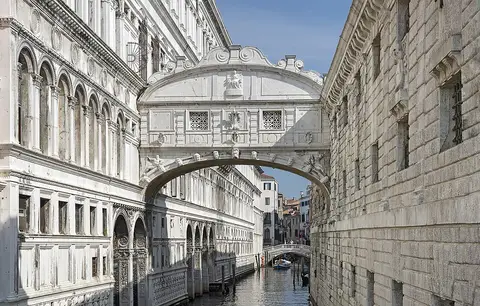 Monuments01
Ponte dei Sospiri
San Marco, Sestiere San Marco, 1 · Venice● Website● Phone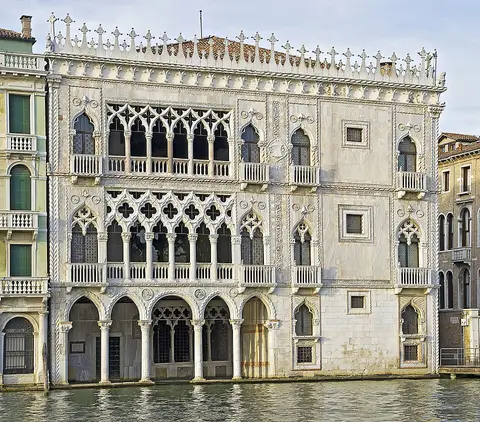 Palaces02
Ca' D'Oro
Ca' D'Oro Venezia · Venice● Website● Phone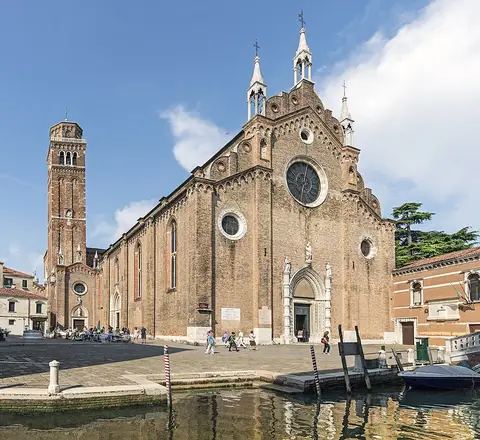 Historic sites03
Venezia Santa Maria Gloriosa Dei Frari
No address · Venice○ Website○ Phone Monuments04
You need a free account to leave reviews and photos – that keeps comments genuine and lets you edit them later.