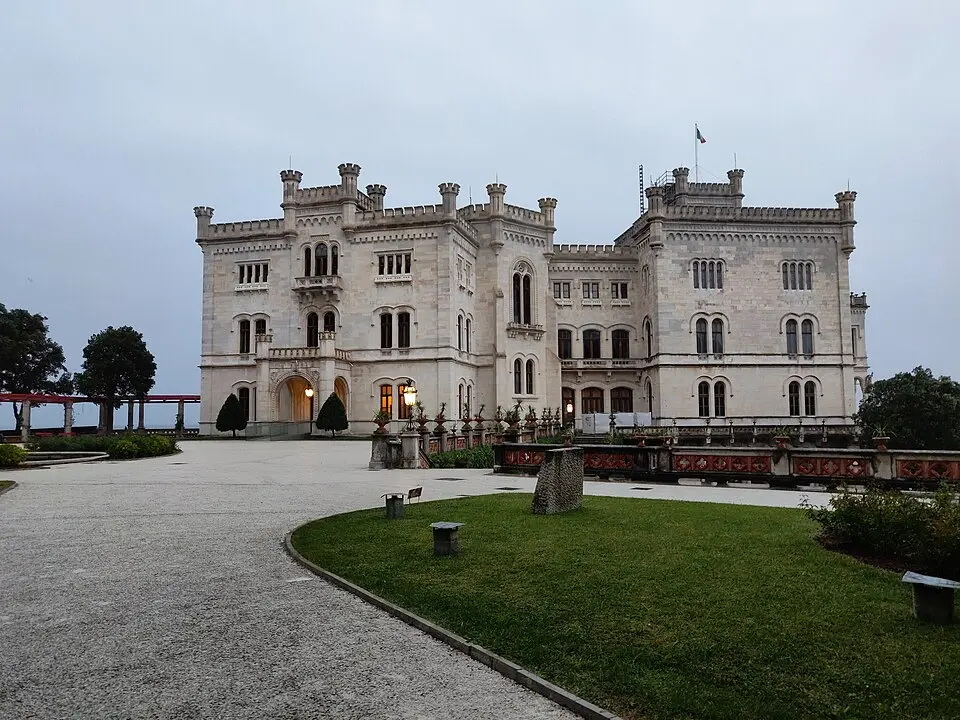
About Castello di Miramare
Miramare Castle perches on a striking rocky cliff in the Bay of Grignano, about seven kilometers northwest of the center of Trieste. Its name comes from the Italian and Spanish words for "look" and "sea" and promises sweeping views across the Adriatic. The estate is far more than a historic building: it is surrounded by an extensive park that spreads across what was originally a barren rocky headland. Today the castle serves as a museum and is an important cultural landmark that reflects the history of the Habsburg monarchy in this region.
The history of the castle is inseparably linked to Archduke Ferdinand Maximilian of Austria. As commander-in-chief of the Austrian navy, he was looking for a suitable residence in Trieste. After purchasing the land in 1856, he commissioned the Viennese engineer Carl Junker to draw up the plans. Maximilian at first turned down the initial design as too small, and an alternative proposal by Giovanni Berlam was rejected as well. The archduke finally settled on a revised version by Junker. With three floors and a mezzanine, it gave the building a monumental scale, though one floor was later dropped. Construction began in March 1856 and was completed in 1860, with Maximilian following the work from afar while living in Milan.
The castle's architecture is an eclectic work of romantic historicism. The façade of white limestone from Istria combines Gothic Revival and Moorish elements with the round-arch style. The floor plan makes efficient use of the peninsula's limited space, with a larger west wing and a smaller east wing joined by a staircase set at an acute angle. Inside, the layout follows the tradition of the Italian villa: the private rooms on the ground floor were designed in Gothic Revival and medieval styles, while the state rooms on the upper floor feature elements of Neo-Renaissance and Neo-Baroque. Maximilian's bedroom in particular is designed as a ship's cabin, a tribute to his naval career, while the state rooms are adorned with paintings by Cesare Dell'Acqua and portraits of European rulers.
After Maximilian departed for Mexico and later died there, the castle passed to the imperial court treasury and served as a summer residence for members of the imperial family. Emperor Franz Joseph I, Empress Elisabeth, and other high-ranking members of the House of Habsburg spent time here. After World War I and the cession of Trieste to Italy, the furnishings that had been taken to Vienna were returned. The castle opened to the public in 1929, but for a time it also served as the residence of Amedeo of Savoy, before being used as a military headquarters after World War II. It has been open again as a museum since 1955, and the state art collection includes works by Francesco Guardi and other artists.
A highlight for visitors is the park, which covers 22 hectares (about 54 acres). Archduke Maximilian wanted to turn this spot into a botanical experimental station and a place for meditation. The park is divided into a geometrically laid-out Italian garden with plantings and flower bulbs, and an English landscape garden that served as a test garden for reforesting the Karst. Alongside Mediterranean plants such as laurel and cypress, you will find exotic species including Japanese cherry trees, ginkgo trees, and giant sequoias, some of which Maximilian brought back from his travels. In recent years the grounds have been restored to bring back their historic character.
Several historic buildings in the park round out the overall picture. The Castelletto, a small castle, served as the archducal couple's residence during construction and was later used as a garden house. A historic greenhouse, an orangery, and a Swiss chalet that functioned as a tea house have also been preserved. On the shore of the Adriatic stands a restored half-timbered bathing house. These buildings offer insights into the lifestyle of the era and add to the experience of visiting the castle.
Today, Miramare Castle is a place where history, architecture, and nature blend together. You can admire the magnificent interior, which recalls the person of Maximilian, and stroll through the varied gardens. The estate is a reminder not only of the Habsburg past but also of the complex fates of the people who lived here, especially the tragic story of Maximilian and Charlotte. It is a place of stillness and reflection that transports you to another era.
At a glance
- Category
- Museum › History museums
- Rating
- no reviews yet · write a review
- Address
- Viale Miramare, 325
34136 Trieste, Italy - District
- Roiano-Gretta-Barcola-Cologna-Scorcola
- Phone
- +39040224143
- Website
- www.castello-miramare.it
- info@castello-miramare.it
- Coordinates
- 45.70250° N · 13.71250° E
- Data quality
- confidence 0.99
- Identifier
- ID 9d170f30-06f…
Part of the tour
Trieste in One Day: From San Giusto to Miramare →Location & surroundings
Toggle layersRatings & comments
none yetNear Castello di Miramare
closest 5 per category · 2 kmSights
Restaurants
Hotels
Cocktail bars
None within 2 km.
More:All museums in Trieste (58)
32 places within 2 km loaded.
Don't miss in Trieste
All sights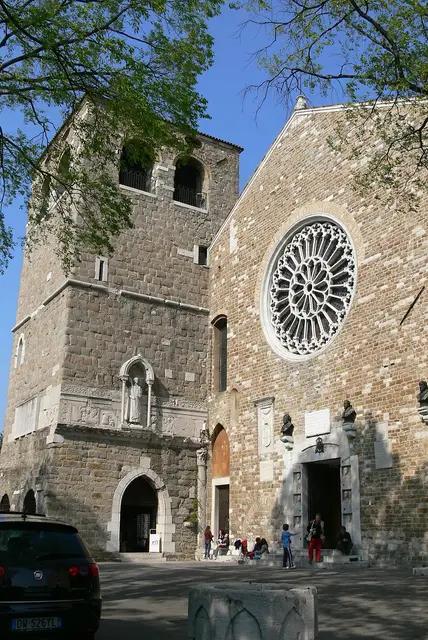 Historic sites01
Trieste Cathedral
Piazza Della Cattedrale 2 · Trieste● Website● Phone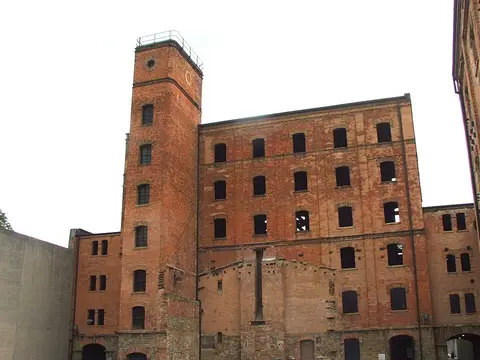 Historic sites02
Risiera di San Sabba
Via Giovanni Palatucci 43 · Trieste● Website● Phone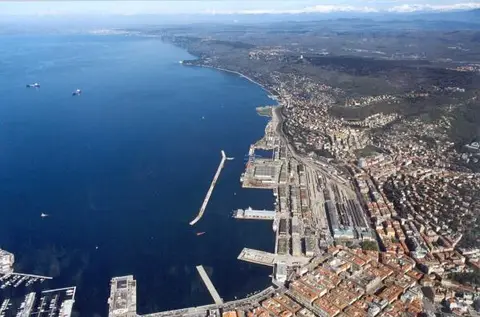 Historic sites03
Port of Trieste
Via della Rampa · Trieste○ Website○ Phone Historic sites04
You need a free account to leave reviews and photos – that keeps comments genuine and lets you edit them later.