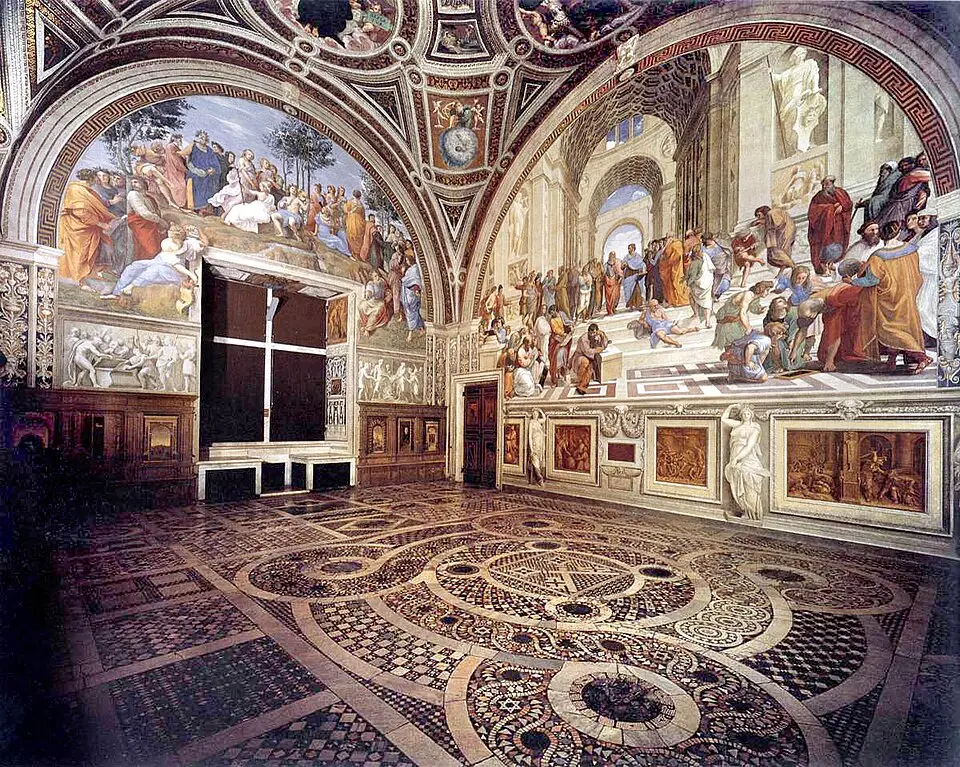
About Stanza di Eliodoro
The Stanza di Eliodoro is one of the four famous rooms in the Apostolic Palace at the Vatican that were painted by Raphael and his workshop. Originally commissioned by Pope Julius II beginning in 1508, this room on the palace's second floor served as a venue for private audiences. The painting of the four walls and the vaulted ceiling took place after the completion of the neighboring Stanza della Segnatura. The frescoes carry a strong political message that emphasizes the God-given wealth and independence of the papacy. This was of great importance against the backdrop of France's Italian campaigns, which threatened papal authority. The artworks reflect Julius II's determination to establish a new, leading role for the papacy in Western Christendom after the period of the "Babylonian Captivity" in Avignon and the Great Western Schism.
The main fresco, which gives the room its name, shows the expulsion of the Syrian general Heliodorus from the Jewish Temple. Heliodorus was supposed to plunder the treasures of the Temple of Jerusalem on behalf of the Syrian king, but he was put to flight by a horseman sent by God, accompanied by two youths. This scene symbolizes the divine protection of the holy site. Particularly notable is the depiction of Pope Julius II, who looks on as an eyewitness, seated on the sedia gestatoria, a type of papal chair, carried by the artists Raphael and Marcantonio Raimondi. Including contemporary figures in this way gives the historical scene an immediate relevance.
Another central image is the Mass at Bolsena, which depicts an event from the year 1263. During a Mass, the blood of Christ dripped from the host and stained the corporal. This miracle led to the establishment of the feast of Corpus Christi and to the construction of Orvieto Cathedral. Theologically, the image served to dispel any doubts about transubstantiation, the transformation of wine and bread into the body and blood of Christ, and to strengthen the faithful in their belief in communion. Julius II is shown here kneeling on the right, surrounded by his relatives, the cardinals Leonardo Grosso della Rovere, Raffaello Riario, Tommaso Riario, and Agostino Spinola. On the left side, among the faithful, is Felice della Rovere, the pope's daughter. Among the kneeling Swiss Guards facing the viewer, you will also find another self-portrait of Raphael.
The Liberation of Saint Peter from Prison refers to the account in the Acts of the Apostles, in which the first bishop of Rome is miraculously freed by an angel. Thematically, this scene alludes to the occupation of the Papal States by the French and their later liberation by Julius II, who had previously been the cardinal of San Pietro in Vincoli. The choice of this motif underscores the political dimension of the decoration, which visualizes the overcoming of crises and the restoration of papal power.
After the death of Julius II, the last fresco in the room was completed, showing the meeting of Leo the Great and Attila in the year 452 AD. It depicts Leo I's defense of the Papal States against the invasion of the Huns. During the negotiations, the sword-wielding apostles Peter and Paul appeared to the pope, backing him up as the princes of the apostles of the ecclesia militans. This is said to have persuaded the Huns to turn away from Italy. Here, too, a clear signal is aimed at the powers of the day, especially the French and the Habsburgs, who ultimately devastated Rome in the Sack of Rome in 1527. Pope Leo X, who named the room after his predecessor, can be recognized in the figures of his predecessors.
The ceiling frescoes in the room partly go back to Raphael's predecessors, including Luca Signorelli, Bramantino, Lorenzo Lotto, and Cesare da Sesto, whose works were replaced by Raphael's paintings on the orders of Julius II. The overall composition of the Stanza di Eliodoro is a complex interplay of biblical, historical, and contemporary elements that reflects the theological and political legitimation of the papacy in the 16th century.
The history of the frescoes has been marked by destruction and restoration. As early as 1527, during the Sack of Rome, the paintings were badly damaged by Protestant mercenaries. Faces that the soldiers took to be those of popes were scratched out, and inscriptions such as Luther's name or "Vivat Karus imperator" were carved into the walls. These details only came to light again during the most recent major restoration from 1999 to 2001. Led by Maurizio De Luca and Arnold Nesselrath, this restoration removed not only dirt and overpainting but also damage caused by earlier, partly improper interventions.
Earlier restorations, such as those of 1754, 1856, and 1937, had in part had negative effects. The 1937 restoration in particular damaged the paint layers through the use of unsuitable substances such as hydrochloric acid. The most recent work has also changed the attributions of individual parts of the paintings and deepened our understanding of the artistic collaboration in Raphael's workshop. Today, the Stanze, including the Stanza di Eliodoro, offer visitors an impressive glimpse into High Renaissance art and the political theology of the early 16th century.
At a glance
- Category
- Museum › Art museums
- Rating
- no reviews yet · write a review
- Address
- Vatican
Rome, Italy - Phone
- —
- Website
- —
- —
- Coordinates
- 41.90330° N · 12.45481° E
- Data quality
- confidence 0.69
- Identifier
- ID 5c4534f8-a5b…
Location & surroundings
Toggle layersRatings & comments
none yetNear Stanza di Eliodoro
closest 5 per category · 2 kmSights
Restaurants
Museums
Hotels
More:Art museums in Rome (77)All museums in Rome (383)
300 places within 2 km loaded.
Don't miss in Rome
All sights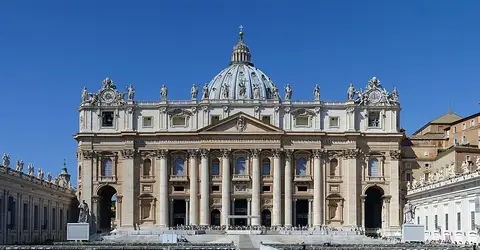 Historic sites01
The Dome at San Pietro Basilica
No address · Rome○ Website○ Phone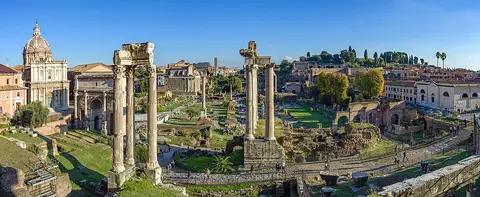 Historic sites02
Roman Forum
Via della Salara Vecchia, 5/6 · Rome● Website● Phone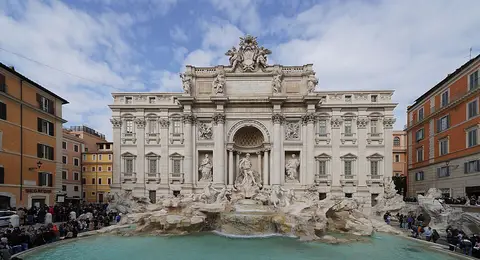 Historic sites03
Restauro Fontana di Trevi
Piazza di Trevi, 91 · Rome● Website○ Phone Monuments04
You need a free account to leave reviews and photos – that keeps comments genuine and lets you edit them later.