County Kildare: Horses, Bogs, and Canals
Travel guide · editorialOn the open grasslands of the Curragh, sheep graze alongside racehorses that train in the morning mist. A trip to County Kildare takes you to the heart of Irish thoroughbred breeding, just under an hour's drive from Dublin. In between lie canals, bogs, and old monastic towns.
Landscape and Towns
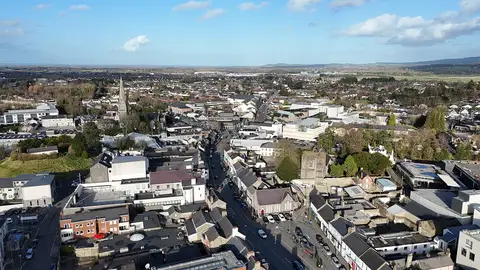
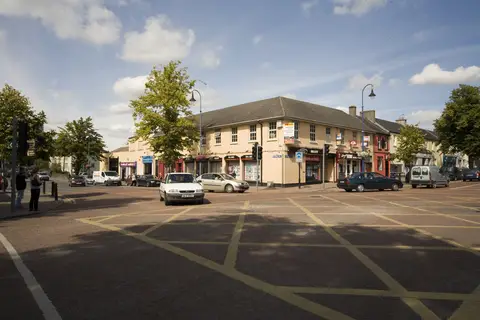
Kildare is flat and green; to the west, the Bog of Allen, one of Ireland's great raised bogs, begins, while the Grand Canal and the Royal Canal run through the north. Naas, the county seat, is now a growing commuter town with its own racecourse. Maynooth is home to the university and St Patrick's College, once the largest seminary in the world, with Gothic Revival quadrangles. Kildare Town traces its origins to a monastery founded by St. Brigid, whose fire pit can still be seen next to the cathedral.
Sights in County Kildare
The Irish National Stud near Kildare Town features stud stallions, a horse museum, and the Japanese Gardens, laid out in the early 20th century. The Curragh Racecourse hosts the Irish Derby, and Punchestown holds a major jump racing festival in spring. Castletown House in Celbridge is considered the first Palladian country house in Ireland. Walkers can follow the canal towpaths, for example near Robertstown, where barges once carried peat to Dublin. If you want to shop, head to the outlet village of Kildare Village.
Getting There and Best Time to Visit
Commuter trains connect Maynooth, Naas (Sallins), and Kildare Town with Dublin, and the M4 and M7 motorways cross the county. The best time to visit is between April and October, when the racing season is on and the stud farm is open. Country inns serve hearty fare featuring local lamb and beef. Kildare is stable country: many successful racing yards train around the Curragh, and early in the morning you can watch the horses gallop across the grassland. If you'd like to ride yourself, you'll find plenty of riding stables. The Irish Army has maintained a large camp at the Curragh since the 19th century. In the Bog of Allen, a nature center near Lullymore explains how the bogs formed and why protecting them is important today.