Zala County: Hévíz, Keszthely, and the Western End of Lake Balaton
Travel guide · editorialA vacation in Zala County combines two things western Hungary is known for: Lake Balaton and warm healing waters. Hévíz is home to Europe's largest naturally swimmable thermal lake, and just a few miles away, Keszthely marks the beginning of the lake's western shore.
Green Hills in the West
Zala County borders Slovenia and Croatia and is one of the most heavily forested areas of Hungary. Gentle hills, orchards, and scattered hamlets shape the landscape, especially in the Göcsej region around Zalaegerszeg, where villages sit in small clusters on the hilltops. To the east, the landscape opens up toward Lake Balaton, where at the lake's western tip the Zala River flows into the lake through the Kis-Balaton wetlands. Herons, spoonbills, and cormorants nest there, and on Kányavári Island, wooden boardwalks lead through the reeds.
Sights in Zala County
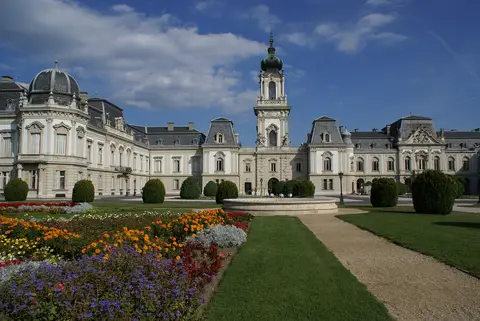
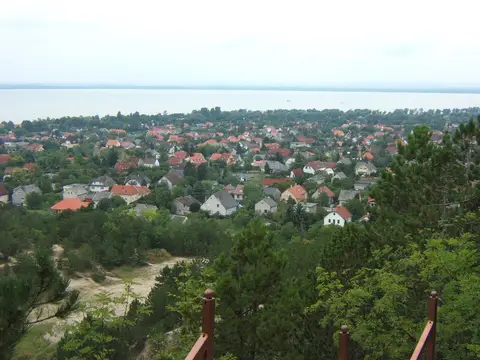
The thermal lake at Hévíz covers about 4.4 hectares (roughly 11 acres) and is fed by a spring in a crater, so the water stays above 20 degrees Celsius (68°F) even in winter. Red and white water lilies float on the surface, and the bathhouse stands on stilts in the middle of the lake. Spa cures for rheumatism and joint problems have a long tradition here, and hotels are plentiful. Keszthely, the largest town on the western shore, is dominated by Festetics Palace, one of Hungary's largest Baroque palaces, with a famous library. In 1797, Count György Festetics founded the Georgikon here, one of the first agricultural colleges in Europe. The palace's outbuildings house carriages, hunting trophies, and a model railway exhibition, and concerts are held in the park in summer. West of town, the slopes near Gyenesdiás and Vonyarcvashegy run down to the lake, and in Balatongyörök, the Szépkilátó viewing terrace offers a sweeping view over Lake Balaton.
Towns and Spas
Zalaegerszeg, the county seat, has one of Hungary's oldest open-air museums, with farmhouses from the Göcsej region, and an oil industry museum that recalls the region's petroleum production. Nagykanizsa in the south was an important fortress on the Ottoman frontier in the 16th and 17th centuries. In Zalakaros, the county has another major thermal spa, whose healing waters were discovered during oil drilling in the 1960s. North of Keszthely, on the edge of the Keszthely Hills, you'll find the ruins of Rezi Castle and Tátika Castle, both reached by forest trails. In the south, in Zalaszántó, stands a Buddhist stupa, one of the largest in Europe, which surprises visitors in a quiet patch of woodland.
Food and Drink
The cuisine of the Göcsej region is hearty and rustic: cabbage dishes, millet porridge, and above all dödölle, potato dumplings pan-fried in fat with onions, the county's unofficial signature dish. On Lake Balaton, pikeperch and catfish are on the menu. Vines around Keszthely and Zalakaros produce fresh white wines, and in many villages small wine press houses invite you to taste.
Getting There and Best Time to Visit
Hévíz-Balaton Airport near Sármellék is only about 9 miles from Hévíz, but it is served only seasonally. From Budapest, it takes about two and a half hours to reach Keszthely by car. Because the thermal lake is warm year-round, there is no bad time to visit Hévíz; for swimming vacations on Lake Balaton, June through August is best.