Discover Mannheim: Squares, a Baroque Palace, and Music
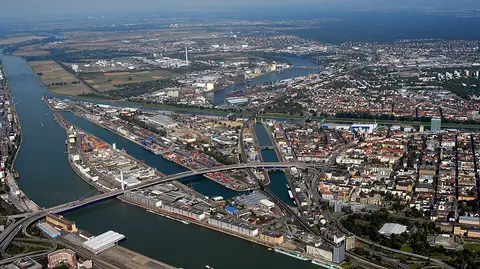
Travel guide · editorialInstead of street names, the blocks of downtown Mannheim carry letters and numbers: addresses like "Q 6" or "P 7" are a legacy of the Baroque planned city. Mannheim, at the confluence of the Rhine and Neckar rivers, has one of Europe's largest Baroque palaces, a lively music scene, and a diverse population. A trip to Mannheim takes you to a city that is more honest and more varied than its reputation would lead you to expect.
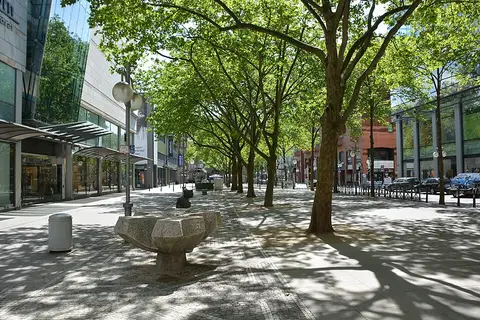
The City of Squares
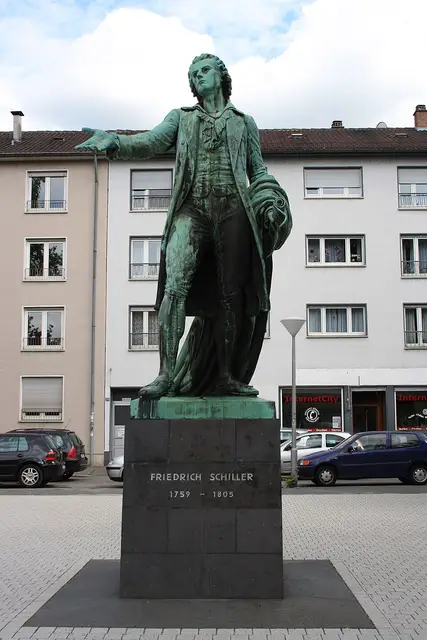
In 1606, Elector Frederick IV of the Palatinate had a fortress and a town laid out on a rectangular street grid. From 1720, Mannheim was the residence of the Electoral Palatinate, and under Elector Charles Theodore, art and science flourished. The "Mannheim School" shaped orchestral music, Mozart visited the city, and Schiller's "The Robbers" premiered at the National Theater in 1782. In 1886, Carl Benz built the first automobile in Mannheim, and Karl Drais invented the running machine here in 1817, the forerunner of the bicycle.
Sights in Mannheim
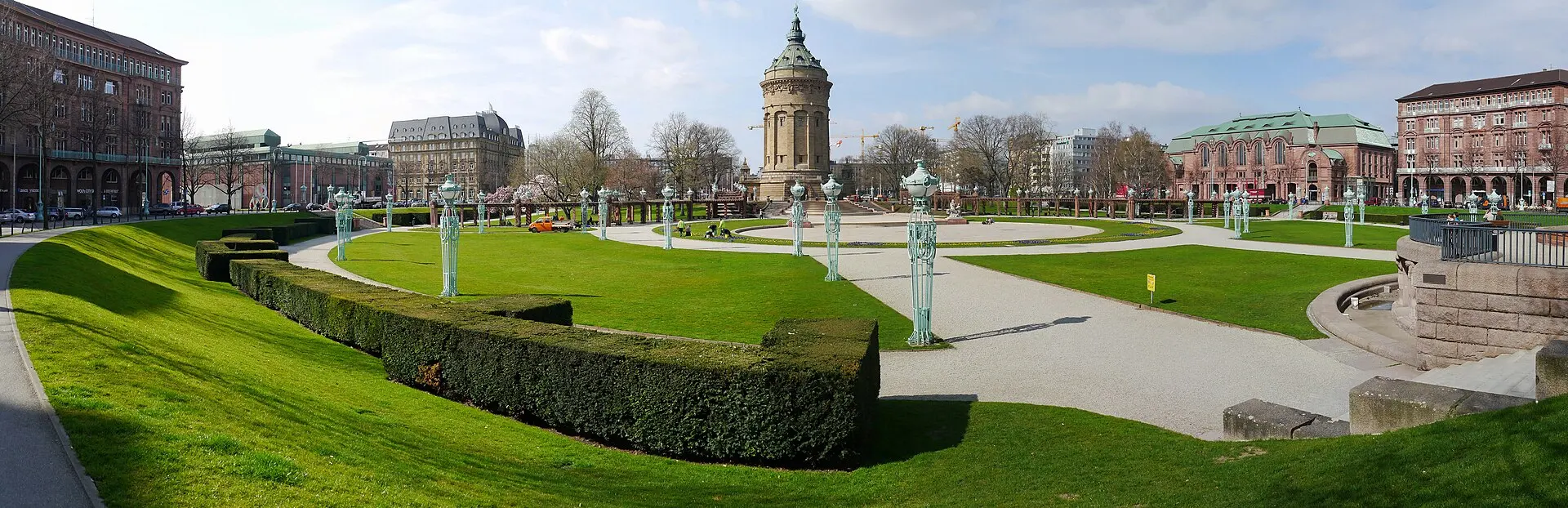
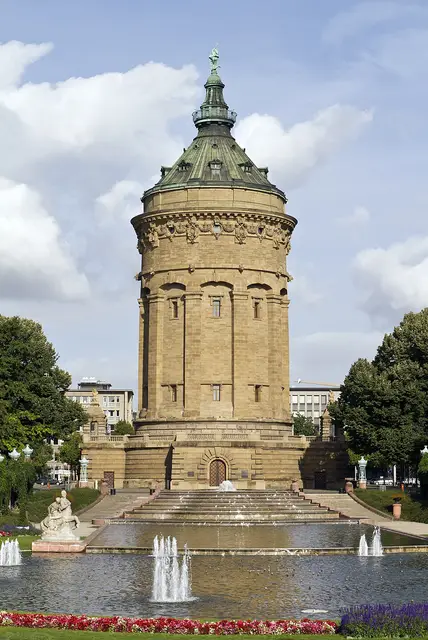
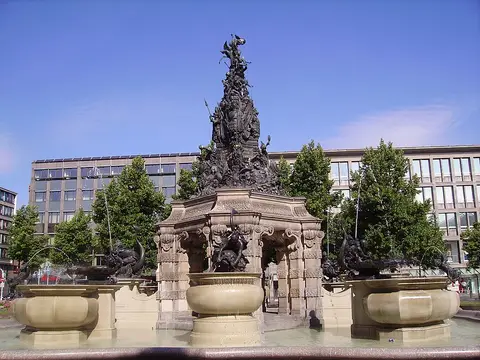
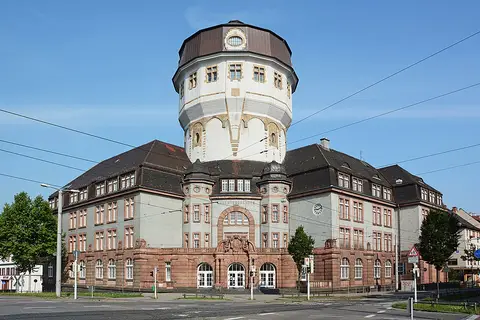
The Baroque Palace is one of the largest palace complexes in Europe and now houses the university; parts of it are open to visitors as a museum with opulent rooms. The Water Tower on Friedrichsplatz, an Art Nouveau structure with fountains, arcades, and gardens, is the city's landmark. The Jesuit Church is among the most significant Baroque churches in southwestern Germany. Luisenpark, with its Gondoletta boats, plant show house, and telecommunications tower, is one of the most beautiful parks in Europe, and festivals are held in Herzogenriedpark.
Museums and Culture
The Kunsthalle Mannheim, whose modern new building opened in 2018, holds an important collection of modern art. The Reiss-Engelhorn Museums showcase archaeology, world cultures, and photography. The Technoseum tells the story of industrialization with steam engines and vehicles. The Popakademie Baden-Württemberg in the Jungbusch district has helped make Mannheim a UNESCO City of Music, and numerous well-known musicians come from here.
Neighborhoods, Food, and Nightlife
The Jungbusch, a former harbor district, is now a trendy neighborhood with bars and clubs. In Neckarstadt-West, people from many countries live side by side, and the Turkish and Arabic restaurants are a reason many people come here; Mannheim has one of the largest Turkish communities in Germany. The Oststadt, with its Art Nouveau villas, has a genteel feel, while the Schwetzingerstadt is lively. A local specialty is the "Mannemer Dreck" (literally "Mannheim dirt"), an almond pastry with chocolate glaze that, despite its name, is one of the city's most popular souvenirs. At the weekly market on the market square in G 1, Mannheimers buy fruit, asparagus, and Palatinate specialties.
Getting Around and Best Time to Visit
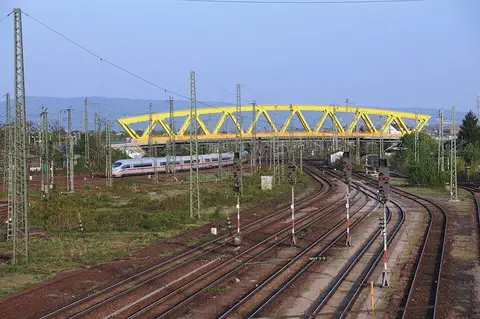
Mannheim is an important ICE hub; Frankfurt Airport is about 30 minutes away. Streetcars and S-Bahn trains connect the city with Heidelberg and Ludwigshafen. The best time to visit is from May to September. The Mannheim Maimarkt (May Fair) takes place in spring and the Mess (autumn fair) in fall. Day trips lead to Heidelberg, to Schwetzingen Palace with its palace gardens, to the Wine Route in the Palatinate, and to Worms and Speyer with their imperial cathedrals. In summer, Mannheimers picnic along the Rhine and on the Neckar meadows, and the Reißinsel, a floodplain forest in the south, is a peaceful place to hike. If you come on a weekend, plan an evening in the Jungbusch, where harbor atmosphere, street art, and live music come together.