Discover Augsburg: The Fuggerei, Canals, and Renaissance Architecture
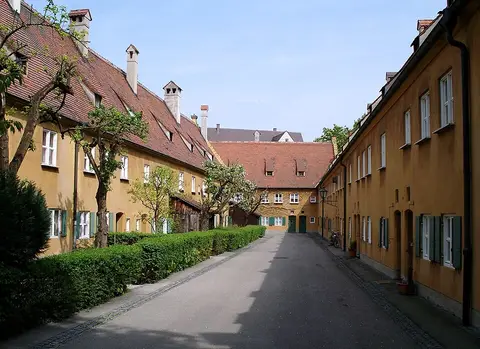
Travel guide · editorialIn the world's oldest social housing complex, residents have paid an annual rent equivalent to just 88 cents for 500 years – and in return, they pray daily for their benefactor. Augsburg, one of Germany's oldest cities, is rich in Renaissance buildings, canals, and stories. A city break in Augsburg reveals the city of the Fuggers, the Peace of Augsburg, and the famous marionettes.
Romans, Fuggers, and Peace
In 15 B.C., the Romans founded the military camp of Augusta Vindelicorum, which grew into one of the most important cities north of the Alps. In the 15th and 16th centuries, the merchant and banking families Fugger and Welser turned Augsburg into a hub of world trade; Jakob Fugger, known as "the Rich," financed emperors and popes. In 1530, the Augsburg Confession was read aloud here, and in 1555 the Peace of Augsburg was concluded. To this day, Augsburg celebrates the Hohes Friedensfest (High Peace Festival) on August 8, a public holiday found only here.
Sights in Augsburg
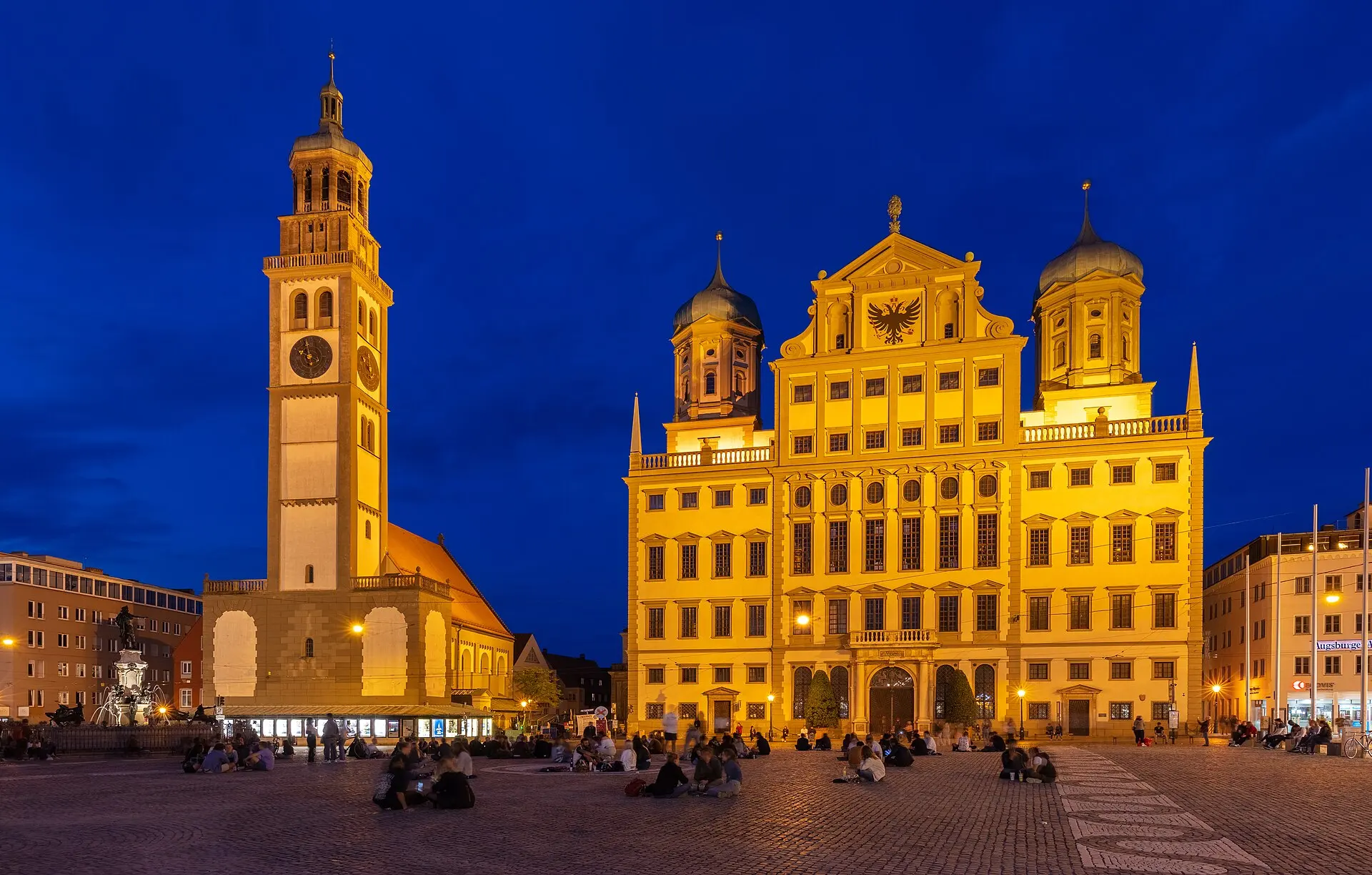
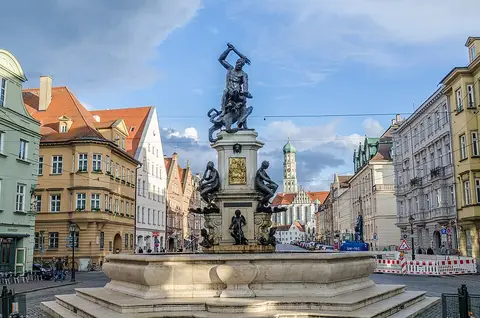
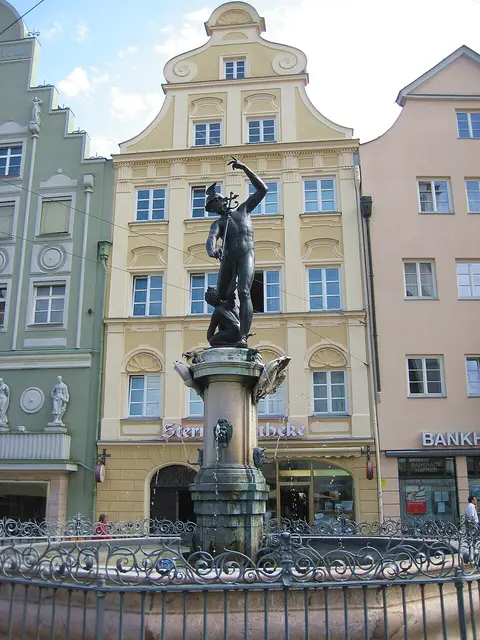
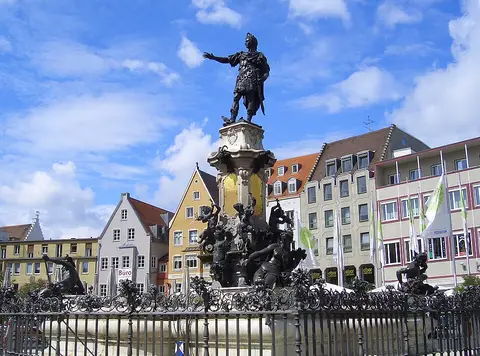
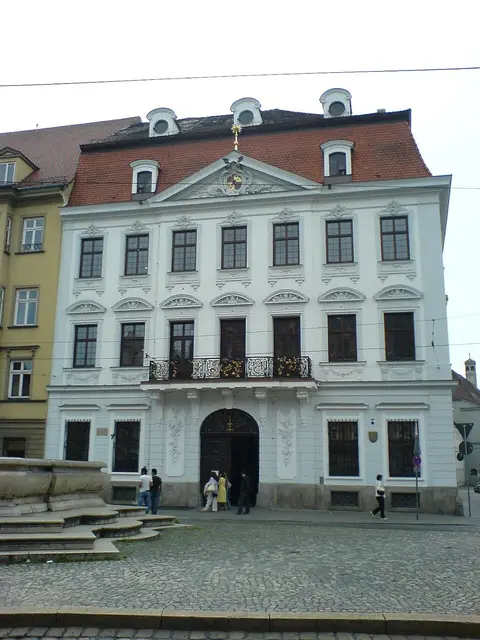
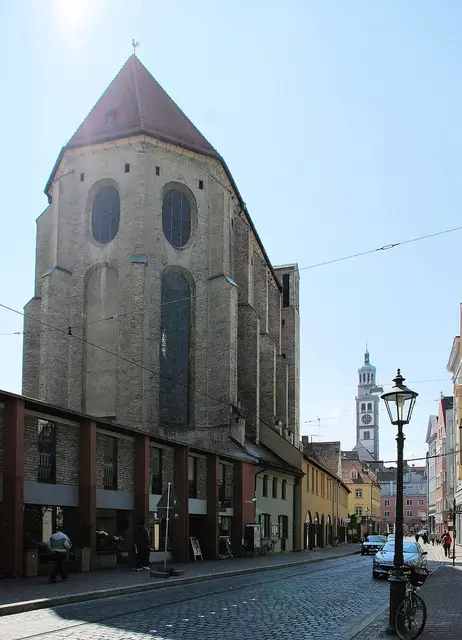
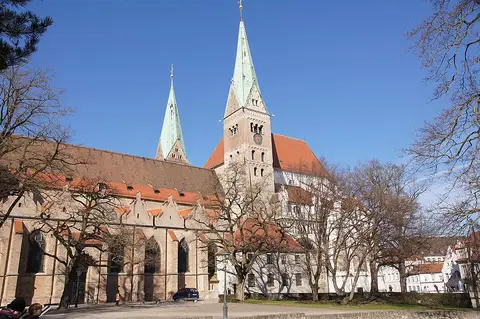
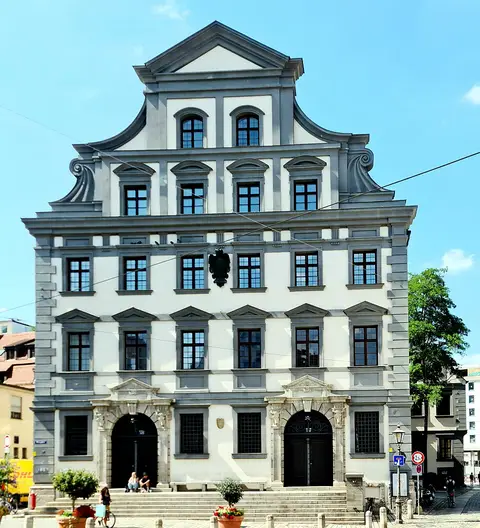
The Fuggerei was founded in 1521 by Jakob Fugger for needy Augsburg citizens. Its 67 houses with 140 apartments are still lived in today, and a museum shows how the residents live. The Town Hall by Elias Holl is a Renaissance masterpiece, and its Golden Hall dazzles with gilded ceilings. Next to it rises the Perlach Tower. Maximilianstrasse, with its Renaissance fountains and the Schaezler Palace, home to a magnificent Rococo hall, leads to the Basilica of St. Ulrich and St. Afra. The cathedral holds some of the oldest stained-glass windows in the world.
Water and Neighborhoods
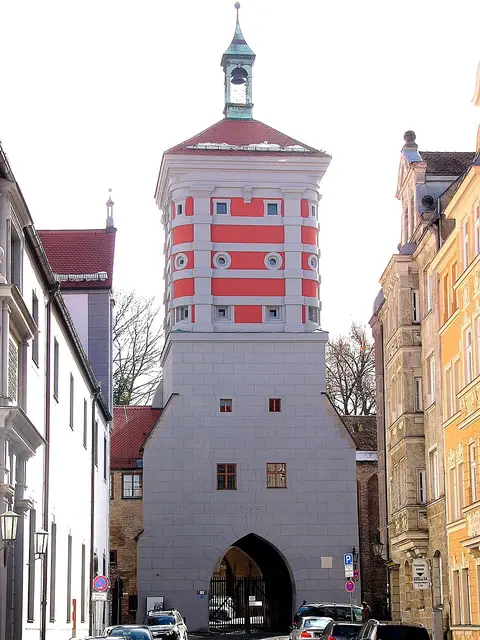
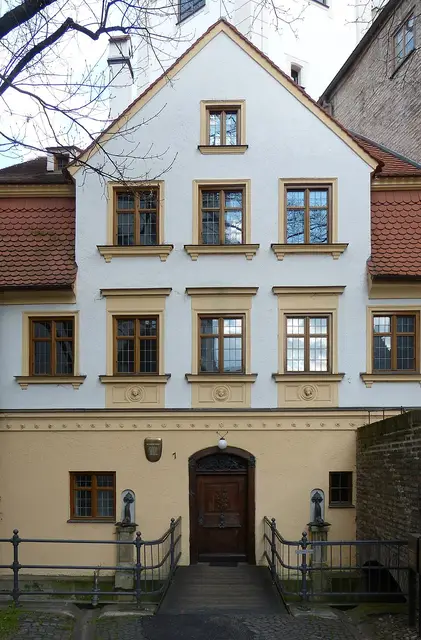
Augsburg is crisscrossed by numerous canals that once powered mills and factories. The Augsburg Water Management System, with its water towers, canals, and fountains, has been a UNESCO World Heritage Site since 2019. Particularly picturesque is the Lechviertel, the old craftsmen's quarter with small bridges, workshops, and cafés. The Augsburg Ice Canal hosted the canoeing events of the 1972 Olympic Games. The Textile and Industry Museum tells the story of the era when Augsburg was a major textile city.
Culture and Food
The Augsburger Puppenkiste, famous for TV series such as "Jim Button" and "Urmel," still performs in its theater in the Heilig-Geist-Spital, with a museum next door. Bertolt Brecht was born here, and you can visit his birthplace, as well as the Mozart House of his father, Leopold Mozart. The cuisine is Swabian-Bavarian: spätzle, Krautspätzle (spätzle with sauerkraut), and Zwetschgendatschi (plum cake). In the evening, people gather in the Old Town and around Maxstrasse.
Getting Around and Best Time to Visit
Munich Airport is easily reached by train and bus, and Memmingen is about an hour away. Munich is about half an hour away by train. Trams and buses serve the city. The best time to visit is from May to September; in Advent, the Christkindlesmarkt on Rathausplatz sets the mood with the Engelesspiel, performed from the Town Hall windows. Day trips lead to the Augsburg – Western Woods Nature Park, to Friedberg with its Wittelsbach Castle, and to the Lech River, where you can swim and cycle along its banks and reservoirs. Legoland near Günzburg and the Romantic Road with Dinkelsbühl and Nördlingen are also easy to reach. If you're staying for several days, you can use Augsburg as an affordable alternative to Munich.