Discover Tallinn: Hanseatic Old Town, Towers and the Baltic Sea
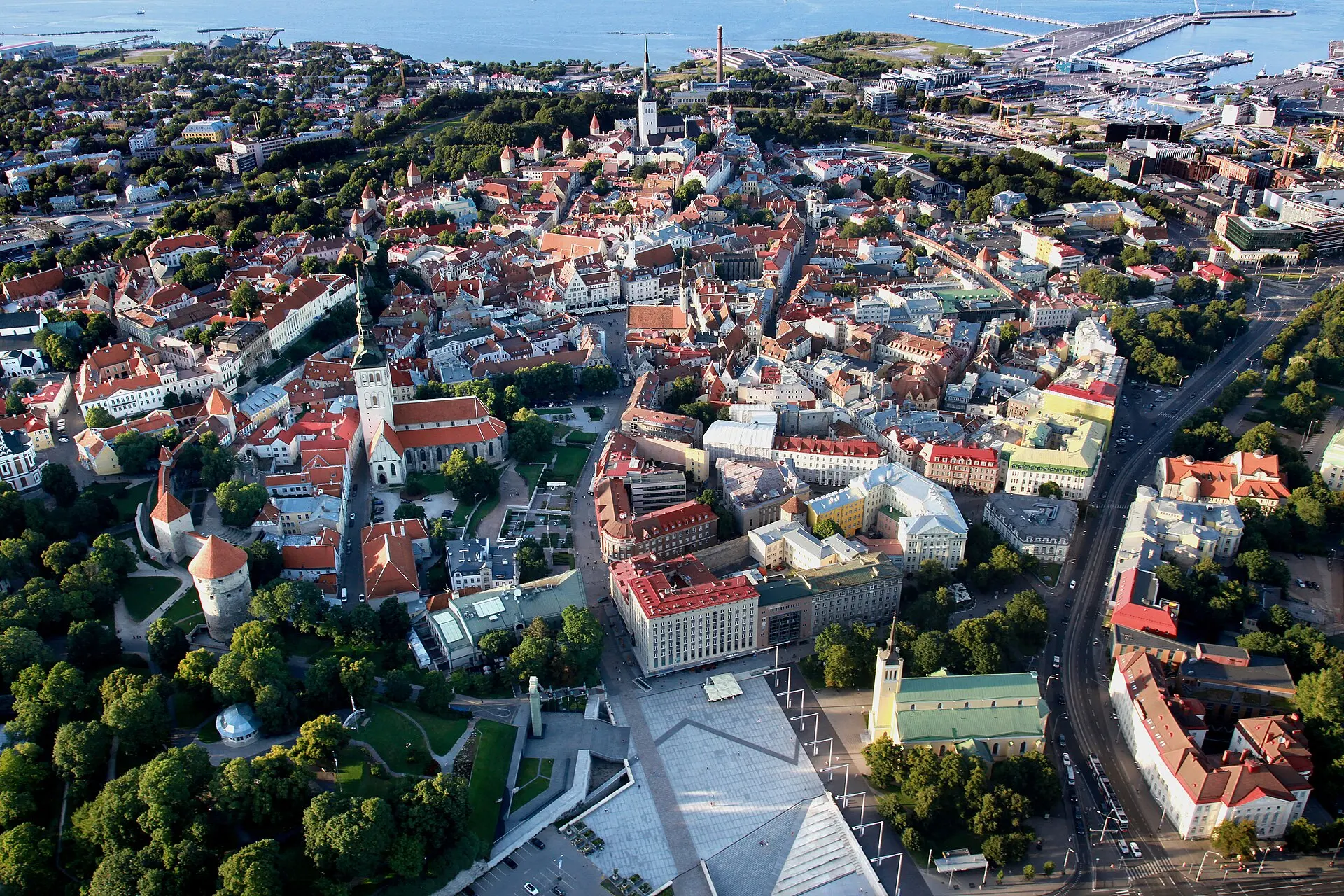
Travel guide · editorialCity walls with red conical roofs, cobblestone lanes, and the view from Toompea Hill across the rooftops to the Baltic Sea: Tallinn's Old Town is one of the best-preserved medieval city centers in Northern Europe. A trip to Tallinn pairs Hanseatic history with a hip creative district, modern Nordic cuisine, and a pioneering digital spirit. For a city break in the Baltics, perhaps combined with Helsinki, the Estonian capital is a highlight.
A Hanseatic City Between East and West
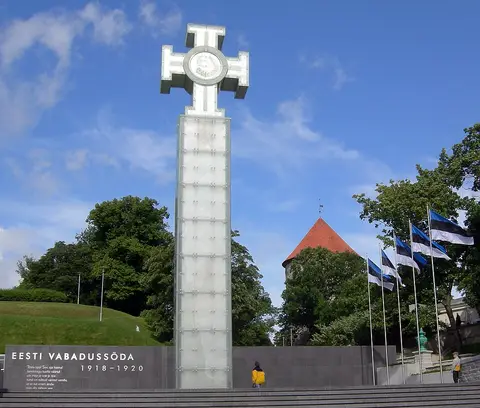
In 1219, Danish crusaders conquered the Estonian stronghold on Toompea Hill, and the name Tallinn is often interpreted as "Danish castle." As Reval, the city became a member of the Hanseatic League, and German merchants shaped its town hall, guilds, and churches for centuries. Swedish and Russian Empire rule followed, then Estonia's first independence in 1918, and later Soviet occupation. With the "Singing Revolution," Estonia regained its freedom in 1991; today the country is a member of the EU and NATO and is known for its digital government services – Skype was co-developed here.
Sights in Tallinn
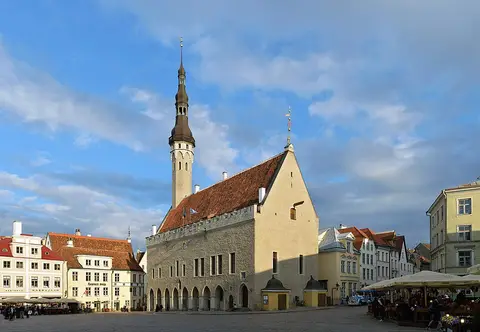
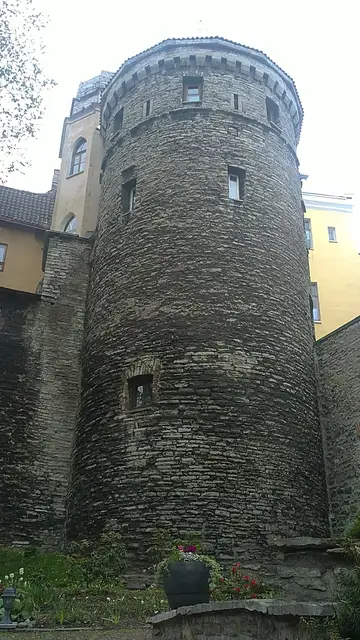
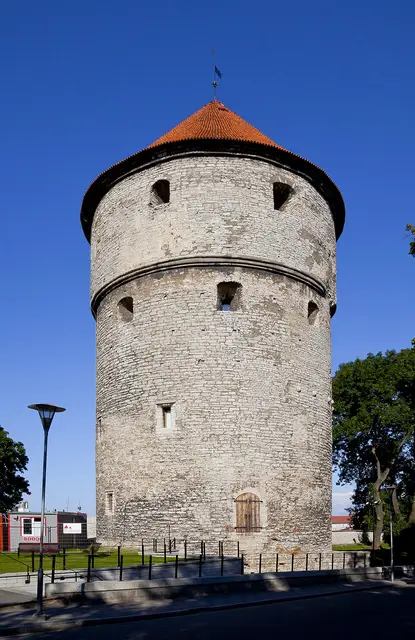
Town Hall Square, with its Gothic town hall, the only one of its kind preserved in Northern Europe, is the heart of the Lower Town; the Town Council Pharmacy is considered one of the oldest still-operating pharmacies in Europe. Narrow lanes such as Katariina Passage lead up to Toompea Hill, home to Alexander Nevsky Cathedral, the cathedral, and viewing platforms over the rooftops. A large part of the city wall with its towers can be walked, and the Kiek in de Kök cannon tower holds tunnels from the Swedish era. In the 16th century, the spire of St. Olaf's Church was probably one of the tallest structures in the world. A little outside the center lies the Baroque Kadriorg Palace, built for Tsar Peter the Great, with its park and the KUMU art museum.
Neighborhoods, Food and Nightlife
The Põhja-Tallinn district in the north has become the creative center: the Telliskivi Creative City in an old factory draws visitors with galleries, a flea market, and bars, while the wooden-house neighborhood of Kalamaja offers cafés. In the former harbor district, the Estonian Maritime Museum's Seaplane Harbour is housed in a seaplane hangar with a submarine on display. In Kesklinna, the city center, the Old Town, the Rotermann Quarter with its modern architecture, and hotels come together. Prefab housing districts such as Lasnamäe and Mustamäe show the Soviet legacy. Tallinn's restaurants serve dark rye bread, sprats, blood sausage, and game, reinterpreted in Nordic cuisine, along with the herbal liqueur Vana Tallinn. The Balti Jaam Market by the train station is a good place to sample local food.
Culture and Museums
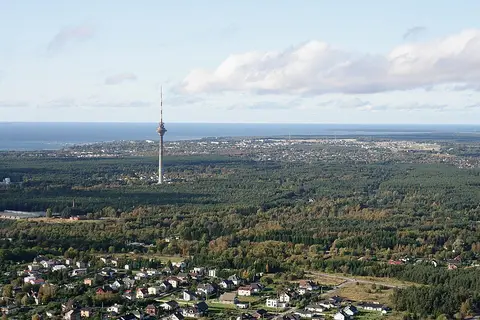
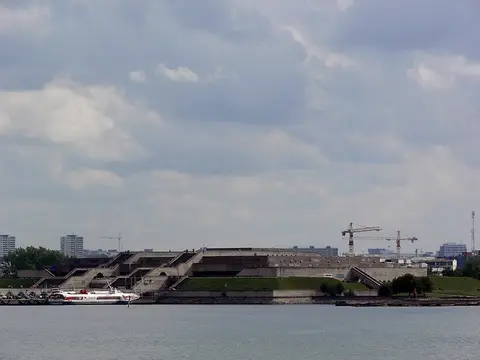
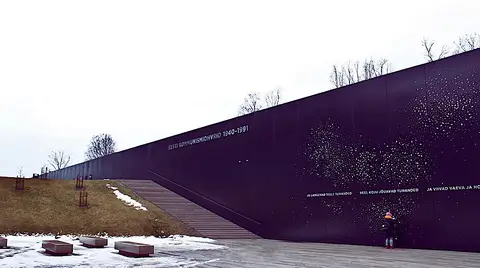
Tallinn has a rich musical tradition: every five years, tens of thousands of singers gather at the Song Festival Grounds (Lauluväljak) for the great song festival, which played a central role in the Singing Revolution. The Estonian Open Air Museum at Rocca al Mare shows farmsteads, windmills, and chapels from all over Estonia. KUMU in Kadriorg Park is the country's largest art museum, and the Vabamu Museum of Occupations and Freedom tells the story of the Soviet and German occupations. At the TV Tower on the edge of town, a glass floor leads outside at a height of about 575 feet (175 meters).
Getting Around, When to Go and Day Trips
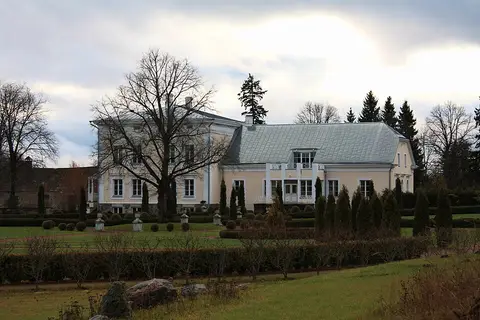
Lennart Meri Airport is only about 2.5 miles (4 km) from the center, and tram line 4 runs directly to the city center. Ferries connect Tallinn with Helsinki in about two hours. The best way to explore the Old Town is on foot; trams and buses are inexpensive. The best time to visit is from May to September, with long, bright nights, while in December a Christmas market turns Town Hall Square into a winter wonderland. Day trips lead to Lahemaa National Park with its bogs and manor houses, to the Keila-Joa waterfall, and to the university city of Tartu.