Discover Zagreb: The Upper Town, Markets, and Coffee Culture
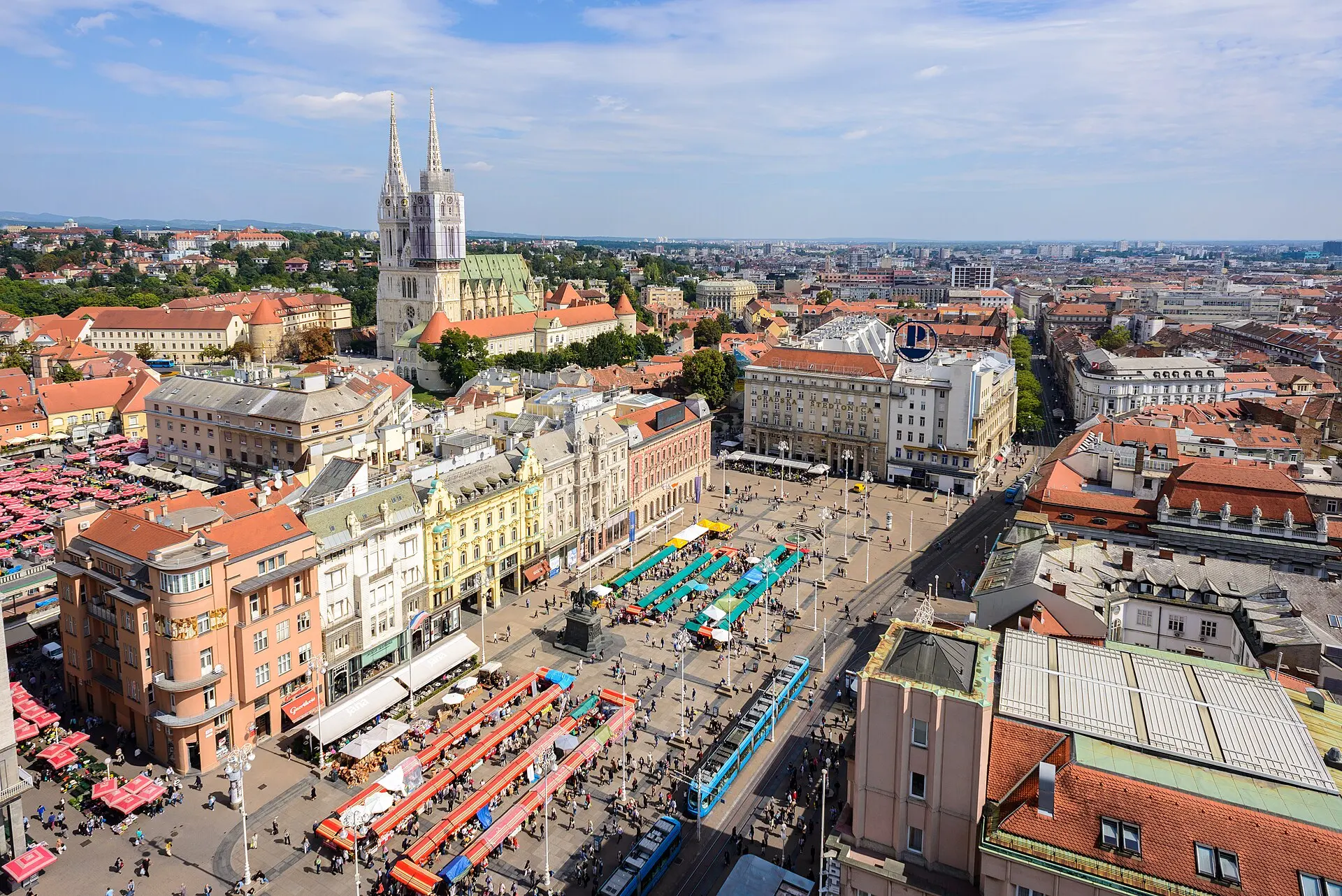
Travel guide · editorialEvery day at noon, a cannon in the Lotrščak Tower fires a shot, and the pigeons above the Upper Town take flight – a ritual that has lasted for over a hundred years. A city break in Zagreb shows you the Croatian capital far from the coast: with Habsburg elegance, coffeehouses, a sea of red umbrellas at the market, and one of Europe's most popular Christmas markets.
Two Hills, One City
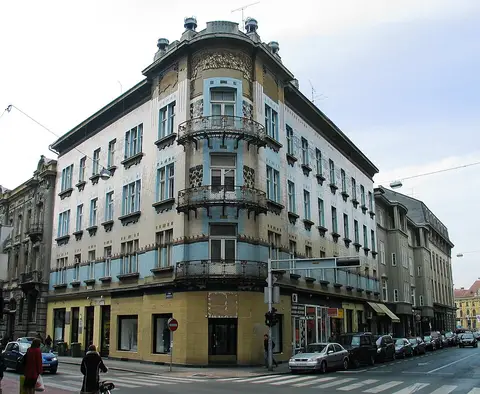
Zagreb grew out of two medieval settlements: Kaptol, the seat of the bishop, and Gradec, the free royal town on the neighboring hill. They feuded for a long time; the bridge between them was called the "Bloody Bridge," today a lane. In 1850 the two were united. Under Habsburg rule, the Lower Town, Donji Grad, took shape in the 19th century, with squares and parks known as the Green Horseshoe. Zagreb has been the capital of independent Croatia since 1991. In 2020, an earthquake damaged numerous historic buildings, including the cathedral; restoration is still ongoing.
Sights in Zagreb
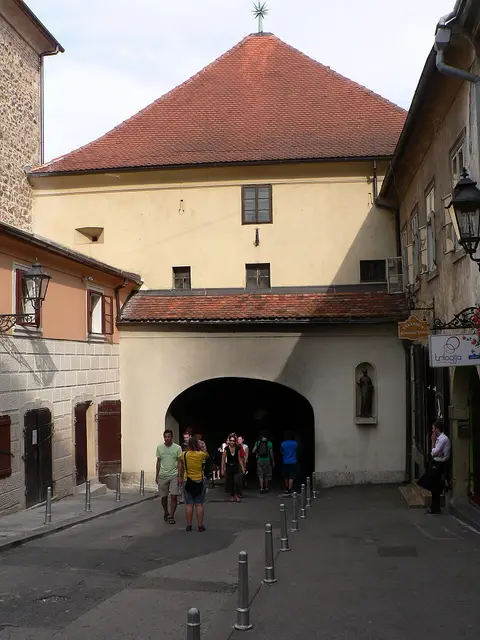
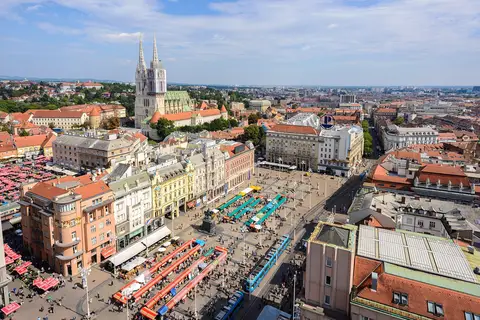
The funicular, one of the shortest in the world, takes you up to the Upper Town, Gornji Grad, and St. Mark's Church with its colorful tiled roof showing the coats of arms of Croatia and Zagreb. Through the Stone Gate, with its image of the Virgin Mary before which candles always burn, you reach Kaptol and the cathedral with its two neo-Gothic spires. The Museum of Broken Relationships collects mementos of failed romances from around the world – an original concept that has since been copied elsewhere. Mirogoj Cemetery, with its arcades, is among the most beautiful cemeteries in Europe. The Croatian National Theatre, the Mimara Museum, and the Botanical Garden are in the Lower Town.
Eating and Going Out in Zagreb
The Dolac Market, above the main square, Ban Jelačić Square, is the belly of the city with its red umbrellas; here farm women sell cheese with cream, sir i vrhnje, as well as fruit and vegetables. Typical of Zagreb are štrukli, dough pockets filled with cottage cheese that are served boiled or baked, and the Zagreb schnitzel, stuffed with ham and cheese. On Saturday mornings, Zagreb locals practice the "špica," seeing and being seen over coffee at the cafés on Bogovićeva Street and on Cvjetni trg, Flower Square. Tkalčićeva Street is the going-out strip, with bars and terraces.
Museums and Parks
Zagreb has a surprising number of museums: the Museum of Naïve Art in the Upper Town shows works by the painters of Hlebine, and the Nikola Tesla Technical Museum displays inventions and historic vehicles. Maksimir Park in the east, one of the oldest public parks in Southeast Europe, is home to the zoo, and Lake Jarun in the southwest is a swimming lake and festival site in summer.
Getting Around Zagreb and the Best Time to Visit
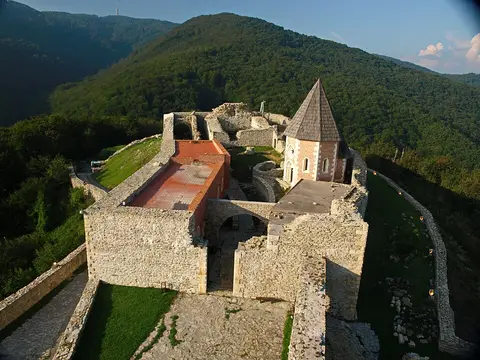
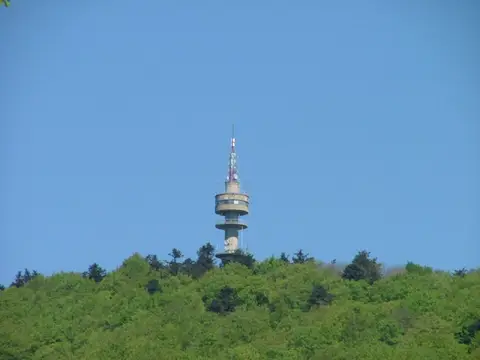
Franjo Tuđman Airport lies about 9 miles southeast of the city and is connected to the bus station by shuttle bus. ZET's blue trams serve the city, and the city center is easy to explore on foot. The best times to visit are spring and fall; during Advent, the city turns into one big Christmas market. Excursions lead to Plitvice Lakes National Park, about a two-hour drive away, to the Zagorje hill country with its castles and thermal spas, and to Medvednica, the city's local mountain.