Discover Split: Living in Diocletian's Palace
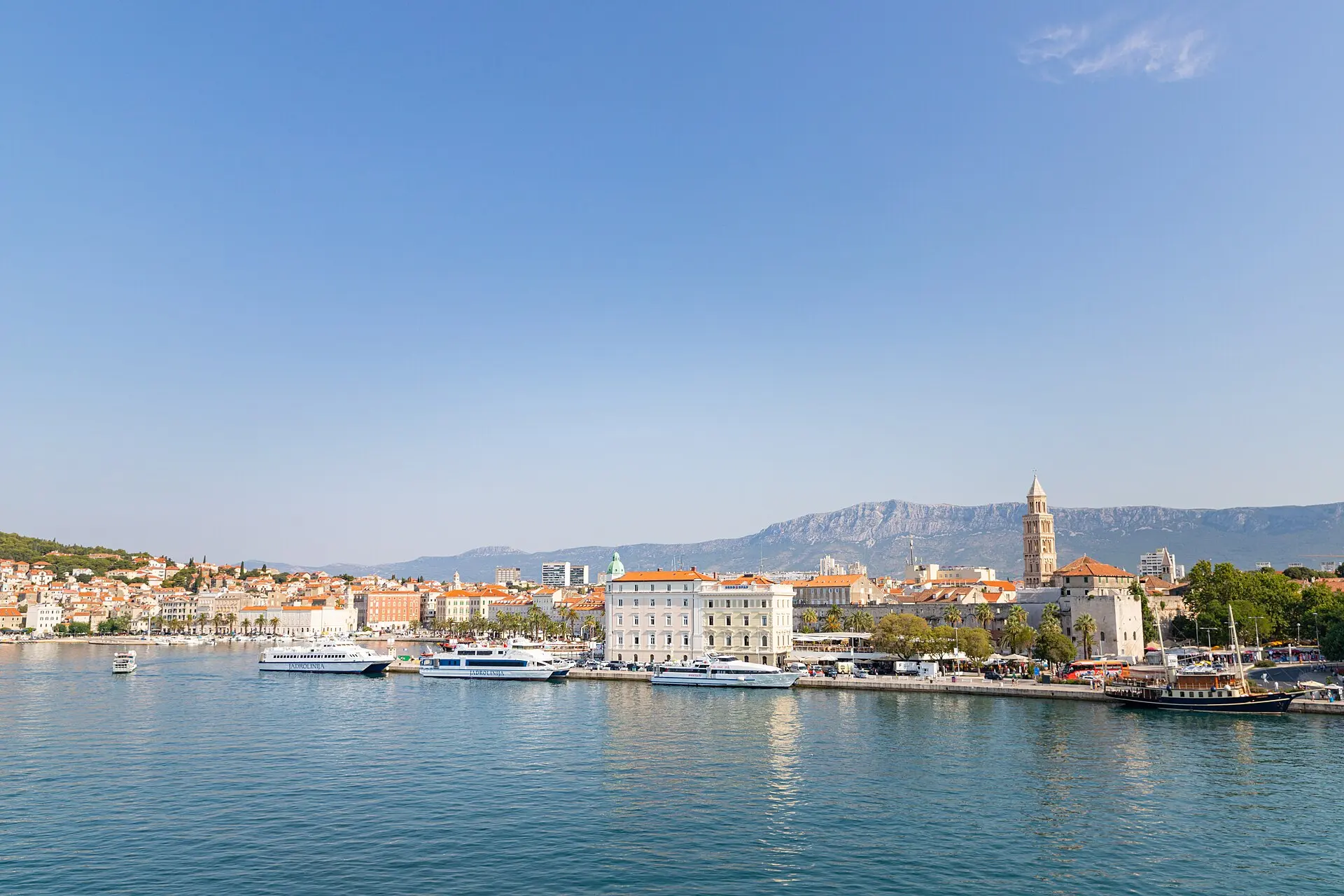
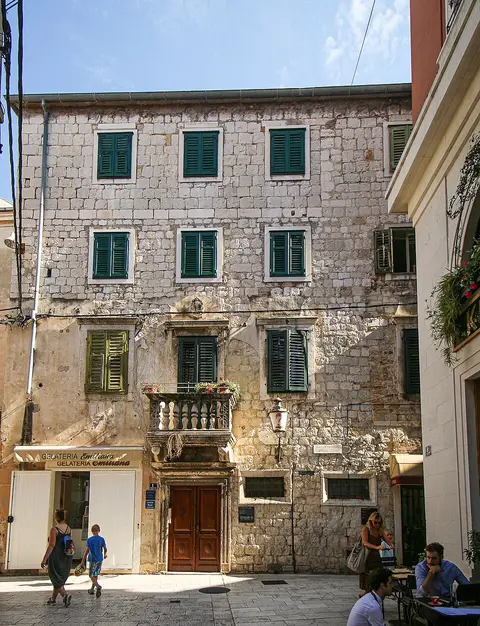
Travel guide · editorialWhile other cities fence off their ancient ruins, in Split you live right inside them: People make their homes within the walls of the Roman imperial palace, cafés open their doors, and children play. A vacation in Split combines this one-of-a-kind old town with swimming coves, Dalmatian cuisine, and ferries to the most beautiful islands of the Adriatic.
From Imperial Palace to City
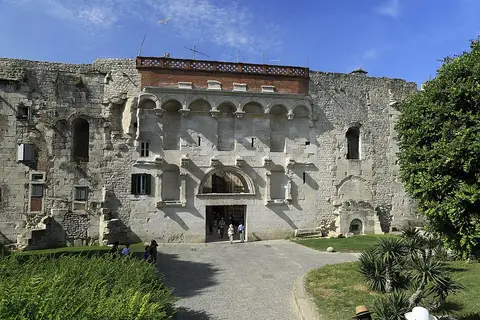
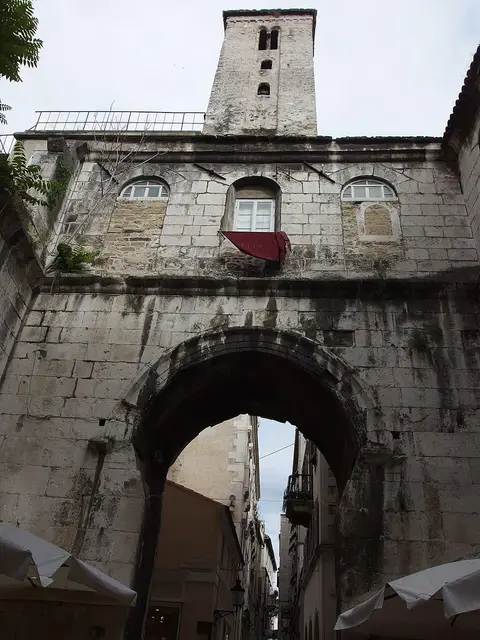
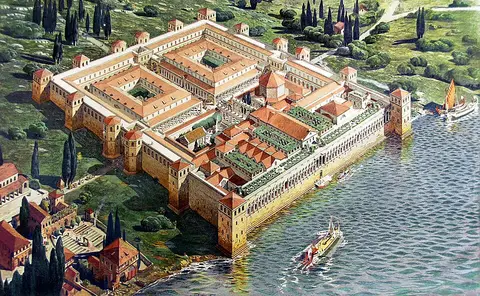
Around the year 300, the Roman emperor Diocletian had a massive retirement residence built on the bay, part villa, part fortress. When Avars and Slavs destroyed nearby Salona in the 7th century, its inhabitants fled into the palace walls and expanded them into a town. Diocletian's mausoleum became a cathedral – so the persecutor of Christians, of all people, ended up with a church as his tomb. Venice, Austria, and Yugoslavia ruled the city in later centuries. Since 1979, the palace and old town have been a UNESCO World Heritage Site, and Split is now Croatia's second-largest city.
Sights in Split
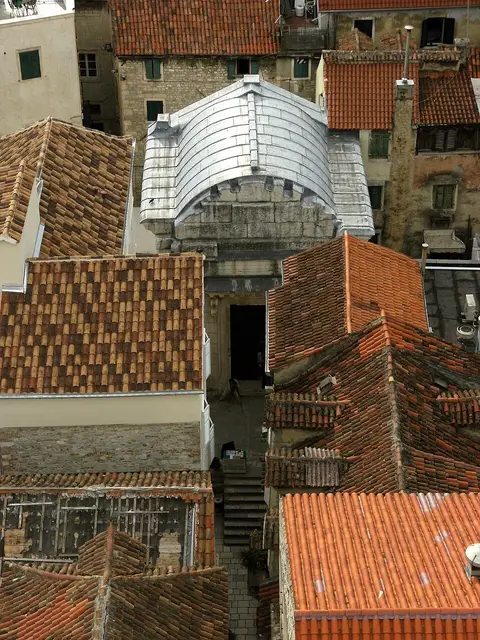
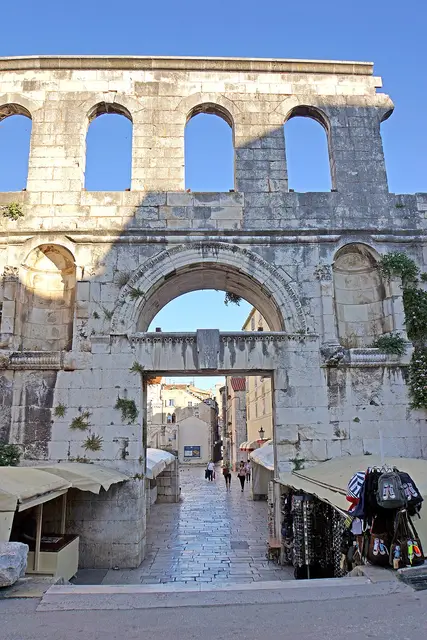
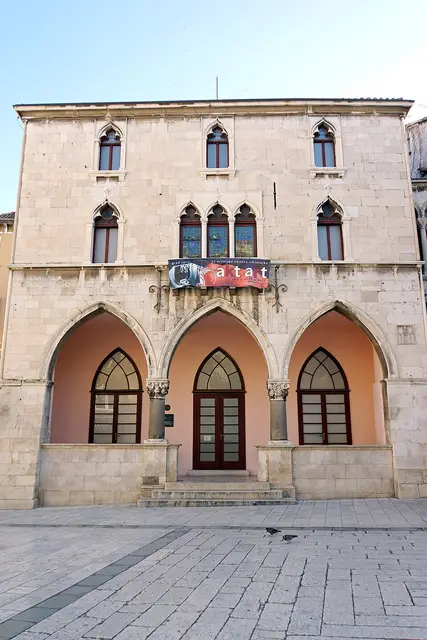
The Peristyle, the palace's columned inner courtyard, is the heart of the old town; in summer, performers dressed as Roman legionaries appear here. The Cathedral of St. Domnius, with its Romanesque bell tower, offers sweeping views over the rooftops. The cellar vaults beneath the palace reveal the layout of the imperial chambers and served as a filming location for "Game of Thrones." Through the Golden Gate you reach Ivan Meštrović's statue of Bishop Gregory of Nin – rubbing its big toe is said to bring good luck. The Meštrović Gallery, in the sculptor's villa, sits on the slopes of Marjan, a wooded peninsula with viewpoints, chapels, and swimming spots.
Eating and Going Out in Split
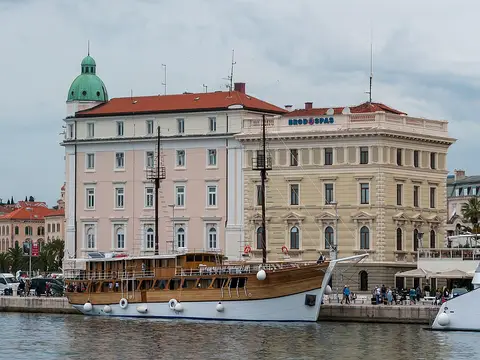
Dalmatian cuisine relies on fish, olive oil, and vegetables: grilled sea bream, cuttlefish risotto, pašticada, a beef dish braised in wine, and soparnik, a Swiss chard flatbread from the hinterland. Locals do their morning shopping at the Pazar green market east of the palace and at the Peškarija fish market. In the konobas, simple taverns, you drink Plavac Mali, a robust red wine. The Riva, the palm-lined waterfront promenade, is the meeting point for coffee and evening strolls; bars in the palace's alleys and at Bačvice beach provide the nightlife.
Beaches in and around Split
The city beach Bačvice is known for picigin, a ball game played in knee-deep water that was invented here. Quieter coves such as Kašjuni and Bene lie on Marjan, and pebble beaches line the coast toward Omiš. Many locals keep swimming well into October.
Getting Around Split and the Best Time to Visit
Split Airport lies about 25 kilometers (15 miles) to the west near Kaštela, and buses run to the port. Ferries and catamarans to Brač, Hvar, Vis, and Šolta depart from the ferry port next to the old town. You explore the old town on foot, and buses serve the suburbs. The best times to visit are May, June, and September, when the sea is warm and the alleys are less crowded; in high summer, many cruise passengers arrive. Excursions lead to Trogir, the Roman ruins of Salona, the waterfalls of Krka National Park, and the Cetina gorge near Omiš.