
Sichuan: Pandas, Hot Pot, and Mountain Lakes
Travel guide · editorialSichuan stretches from a fertile, densely populated basin all the way up to the Tibetan Plateau, and a trip here can be just as varied. On a vacation in Sichuan, you can see giant pandas in Chengdu, visit the turquoise lakes of Jiuzhaigou and sacred mountains, and eat spicier food than anywhere else in China.
From the Red Basin to the High Mountains
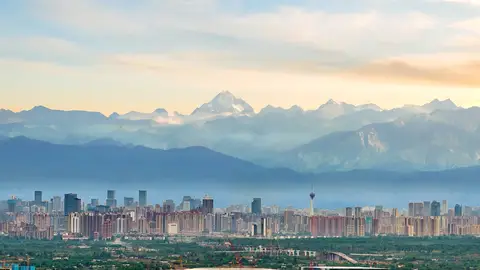
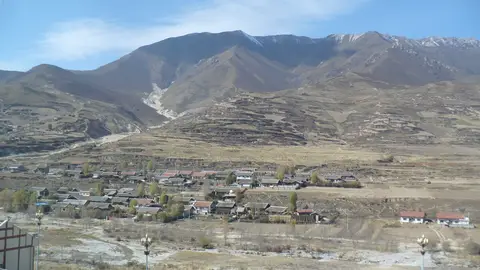
The eastern part of Sichuan is occupied by the Red Basin, a hilly, fertile depression with a humid, often hazy climate. Rice, rapeseed, and citrus fruits grow here, and this is where the big cities lie. To the west, the land rises abruptly: the Qionglai and Daxue mountains, including Minya Konka at almost 7,600 meters, form the transition to Kham and Amdo, the eastern Tibetan cultural region of monasteries, yak pastures, and nomads' tents. The Yangtze and its tributaries, the Min, Jialing, and Dadu, have carved deep gorges into this landscape.
Chengdu: Teahouses and Pandas
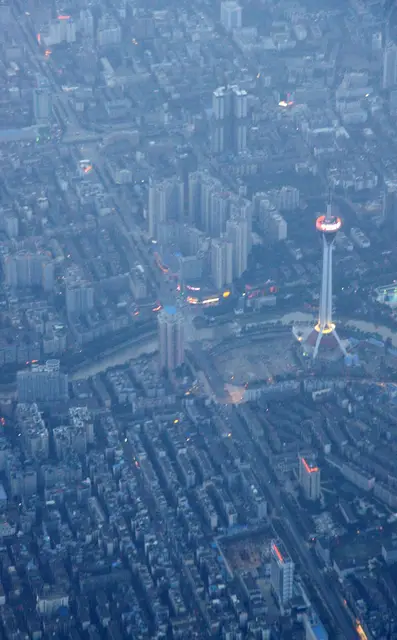
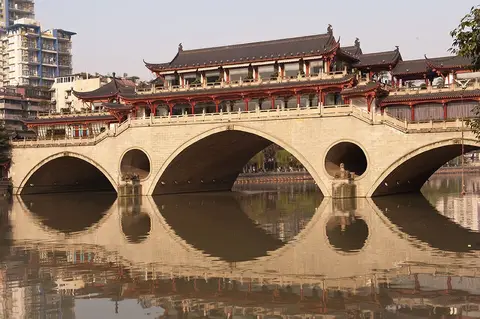
Chengdu is considered one of the most relaxed big cities in China. In the People's Park, locals sit in bamboo chairs over tea, have their ears cleaned, and play mahjong. The panda breeding center in the north of the city is most rewarding early in the morning, when the animals are feeding and active. The Wenshu Temple, the Wuhou Shrine honoring the Three Kingdoms, the Kuanzhai Xiangzi alleys, and the Jinsha excavations with their golden sun disc reveal the city's long history. In the evening, you can catch a Sichuan opera performance with its lightning-fast mask changes.
Sights in Sichuan
The Jiuzhaigou Valley in the north, with its crystal-clear limestone lakes, waterfalls, and Tibetan villages, is one of China's best-known natural destinations; neighboring Huanglong has terraced travertine pools. South of Chengdu, the 71-meter-tall Leshan Giant Buddha looms over the confluence of three rivers, carved out of a cliff face. Mount Emei, one of the four sacred Buddhist mountains, draws visitors with its monasteries and sunrises above a sea of clouds. The Dujiangyan irrigation system has been working for more than 2,200 years, and Mount Qingcheng next to it is one of the birthplaces of Taoism. In the west, Kangding, Danba with its watchtowers, and the highlands around Daocheng Yading beckon. Zigong in the south is known for its salt-mining history, a dinosaur museum, and its New Year lantern festival, and the old towns of Huanglongxi and Luodai near Chengdu preserve wooden houses from the Qing era.
Food and Drink
Sichuan cuisine is famous for "ma la," the numbing tingle of Sichuan pepper combined with chili. Mapo tofu, kung pao chicken, dan dan noodles, and twice-cooked pork are known around the world; locally, you can also try chuanchuan skewers and hot pot in bubbling red broth. If you prefer milder flavors, order a pot with a divided broth. Jasmine tea and the cool bingfen dessert are a good match.
Getting There and Best Time to Visit
Chengdu has two major airports, Tianfu and Shuangliu, and high-speed trains run to Chongqing, Xi'an, and Kunming. Jiuzhaigou is served by a rail line as well as flights to Jiuzhai Huanglong Airport. Depending on the situation, restrictions may apply to travel in Tibetan areas. The best seasons for the basin are spring and fall; Jiuzhaigou is at its most beautiful in October, with its autumn foliage. At higher elevations, pack warm clothing, because even in summer it gets cold there at night.