Shanghai: The Bund, Lanes, and the Skyline on the Huangpu
Travel guide · editorialFew cities tell the story of modern China as vividly as Shanghai: colonial facades along the Bund, lane houses on narrow alleyways, and across the river a skyline that was still farmland 35 years ago. If you're planning a vacation in Shanghai, you'll find a metropolis that blends pace and style, with water towns right outside the city. Administratively, Shanghai is a province-level municipality in its own right, stretching from the skyscrapers of the center to villages like Zhuqiao near Pudong Airport.
Where the Yangtze Meets the Sea
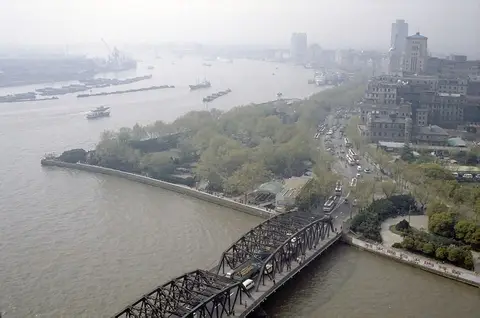
Shanghai lies flat as a table on the alluvial plain that the Yangtze has pushed out into the sea over thousands of years. The Huangpu River divides the city into historic Puxi to the west and modern Pudong to the east. The municipality also includes Chongming Island, with its wetlands and bird reserves, as well as broad rural districts with canals, vegetable fields, and new satellite towns. The climate is humid subtropical: muggy, hot summers, the plum rain season in June, and damp, cold winters hovering around freezing. The city is still expanding eastward: around Pudong Airport you'll find places like Zhuqiao, where vegetable fields and new housing developments sit side by side.
Sights in Shanghai
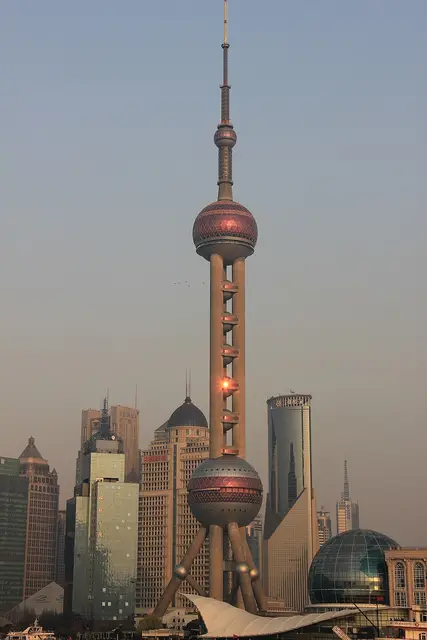
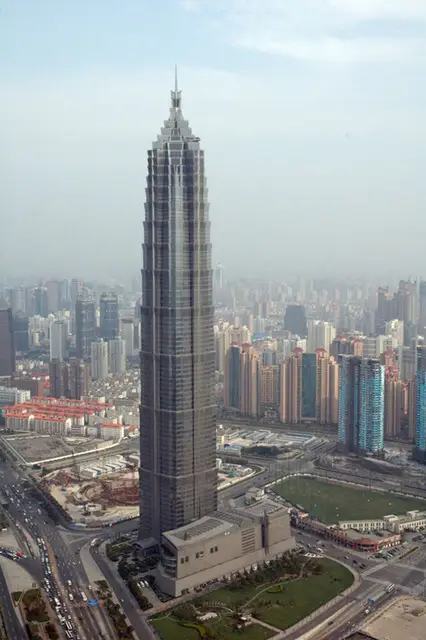
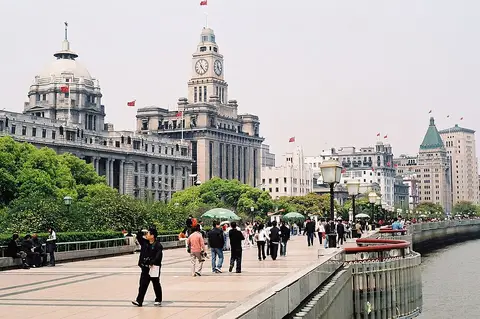
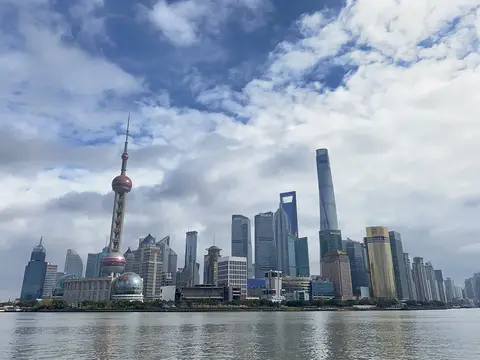
The Bund is the classic place to start: a riverfront promenade lined with bank and trading buildings from the 1920s and '30s, including the Peace Hotel with its jazz bar. In the evening, you look across to Lujiazui, home to the Oriental Pearl TV Tower, the Jin Mao Tower, the Shanghai World Financial Center, and the 632-meter Shanghai Tower. On the south side of the Old City lies the Ming-era Yu Garden, with its rockeries and ponds, next to the bustling bazaar around the teahouse in the lake. The Jade Buddha Temple, the Shanghai Museum with its bronzes and porcelain, and the West Bund art district with galleries in old hangars are also well worth a visit. If you're after some peace and quiet, stroll along the plane-tree-lined streets of the former French Concession around Wukang Road. To see the city from above, head up to the observation deck of the Shanghai Tower at more than 540 meters; in the evening, a boat trip on the Huangpu is worth it, when the facades along the Bund and the towers of Lujiazui are lit up. In Tianzifang, a maze of shikumen alleys, artists' studios, small shops, and bars have moved in.
History: From Treaty Port to Financial Hub
After the First Opium War, Shanghai was opened to foreign trade in 1842. The British, Americans, and French established concessions, and the city became Asia's financial center, famous for jazz, cinema, and gambling, but also for poverty and gang activity. Tens of thousands of Jewish refugees found shelter here in the 1930s and '40s; the Jewish Refugees Museum in Hongkou commemorates them. In 1921, the Communist Party of China was founded in a stone house in the French Concession. Since the development of Pudong began in 1990, Shanghai has once again been the country's economic showcase, with the largest container port in the world.
Shanghai Destinations Outside the City
The water towns of the Yangtze Delta are easy to reach on a day trip. Zhujiajiao in Qingpu District has stone arch bridges, canals, and a post office dating to the Qing era; Fengjing to the south is quieter. Songjiang, the oldest settlement within today's city limits, has a square pagoda from the Song dynasty. On Chongming, you'll find bike paths, orange groves, and the Dongtan bird reserve, where cranes stop to rest in winter. For families, there's Disney Resort in Pudong.
Food and Drink
Shanghai cuisine is on the sweet side and rich in soy sauce. Xiaolongbao, dumplings filled with broth, are the best-known dish; others include shengjianbao, dumplings pan-fried until crisp on the bottom, red-braised pork, and, in fall, the prized Chinese mitten crab from Yangcheng Lake. In the morning, people line up for cifan, sticky rice rolls wrapped around fried dough. The city is also China's capital of international dining and café culture, with countless bars in converted shikumen houses.
Getting There, Getting Around, and the Best Time to Visit
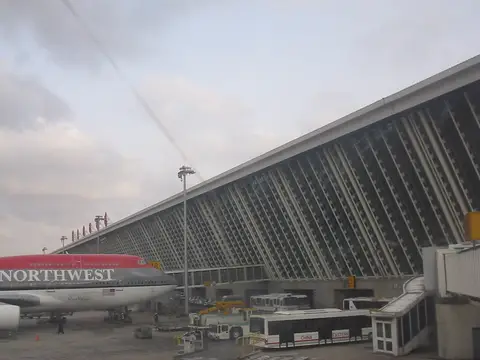
Pudong Airport is the hub for long-haul flights, while Hongqiao handles domestic flights and sits right next to the long-distance rail station of the same name. The Maglev runs from Pudong into the city at up to 300 km/h, and the metro system is among the longest in the world. High-speed trains get you to Suzhou in about half an hour and to Hangzhou in about an hour. The best times to visit are April and May as well as October and November; the holiday weeks in early May and early October, however, are extremely crowded.