Discover Shanghai: The Bund, Pudong, and the Old City Lanes
Travel guide · editorialOn one side of the Huangpu River, banking palaces from the 1920s; on the other, a skyline of glass towers that was still farmland three decades ago: Shanghai is China's most cosmopolitan metropolis. A city break in Shanghai combines colonial architecture, lane neighborhoods, art museums, and one of the best cuisines in the country.
From Fishing Town to the "Paris of the East"
Shanghai was long a small trading town at the mouth of the Yangtze. After the First Opium War it was opened as a treaty port in 1842, and the British, French, and Americans set up their own concessions. In the 1920s and 1930s, Shanghai was considered the most glamorous city in Asia, with jazz clubs, banks, and film studios, but also with poverty and gangsters. During World War II, around 20,000 Jewish refugees from Europe found shelter here. After 1949, the city lost its international sheen, until the construction of the Pudong financial district beginning in 1990 ushered in a new heyday.
Sights in Shanghai
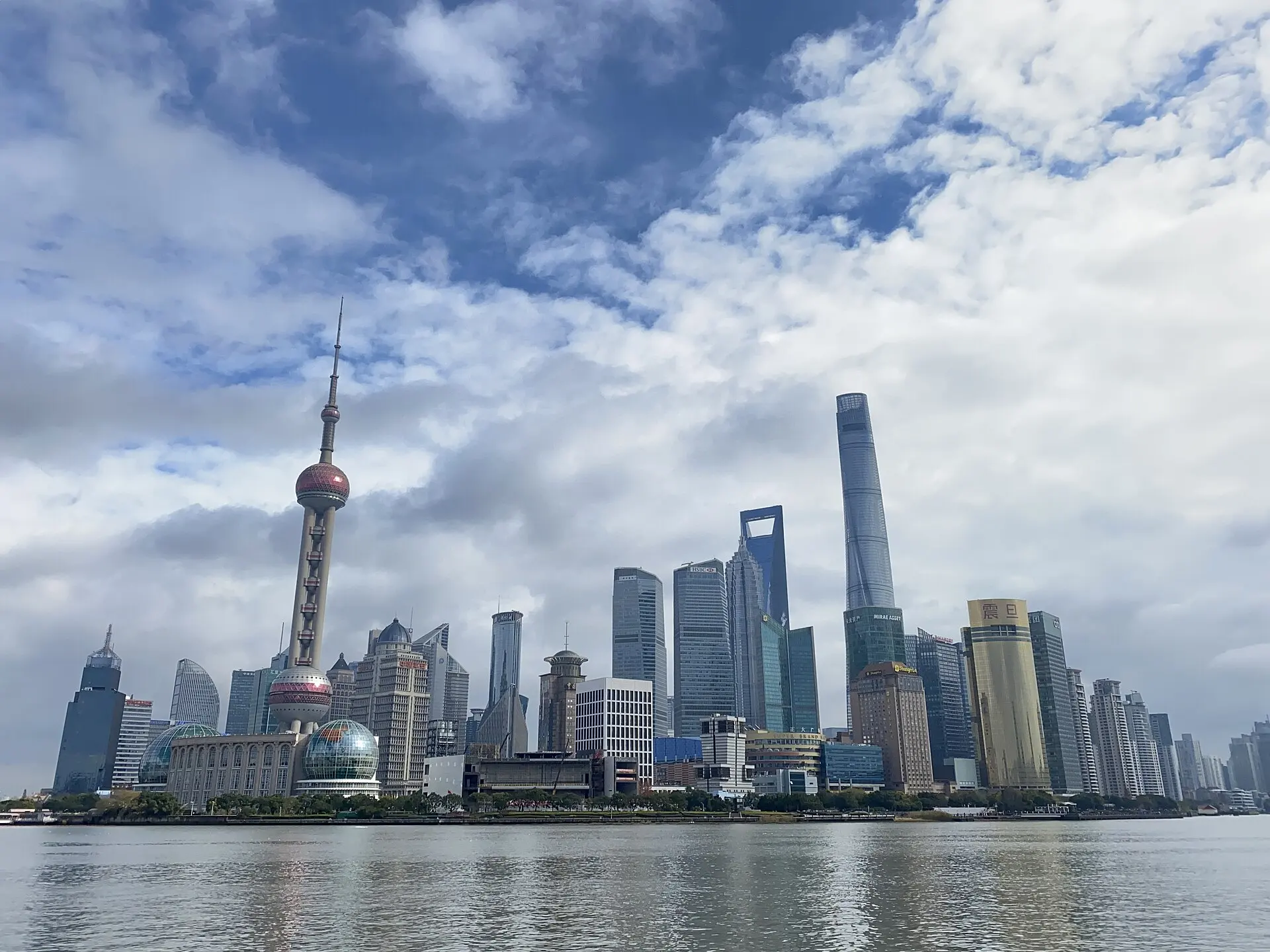
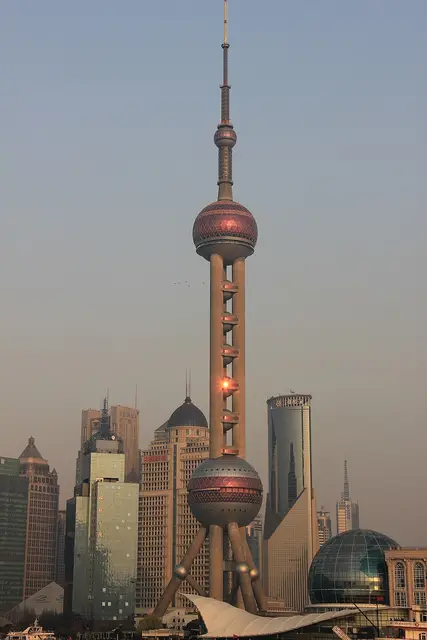
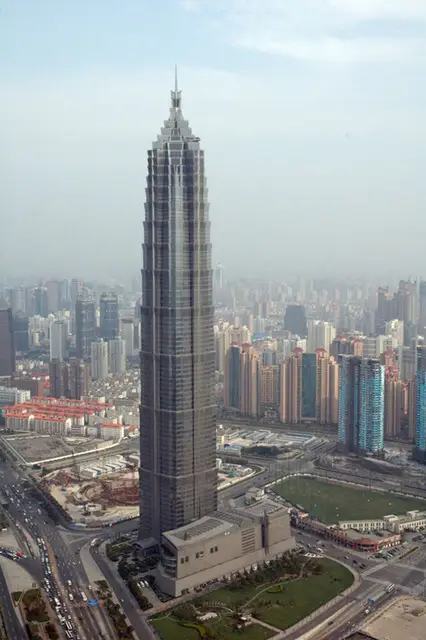
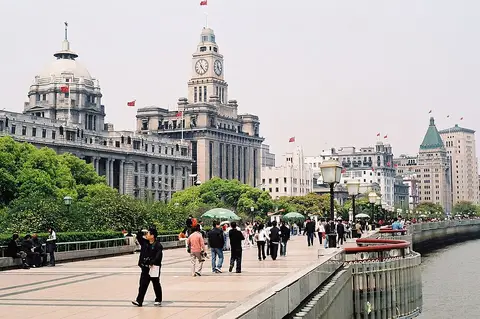
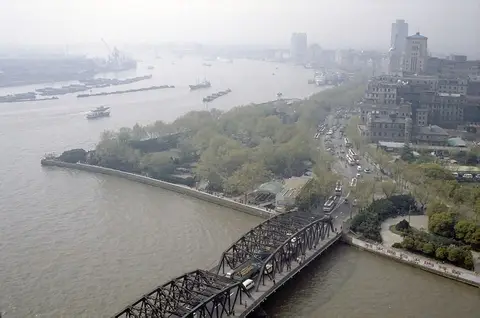
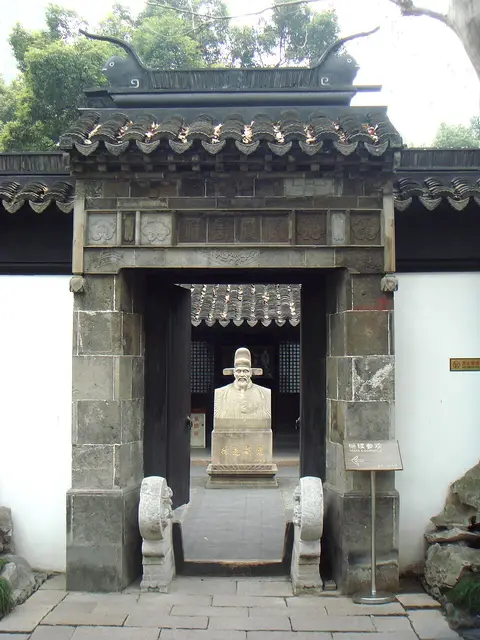
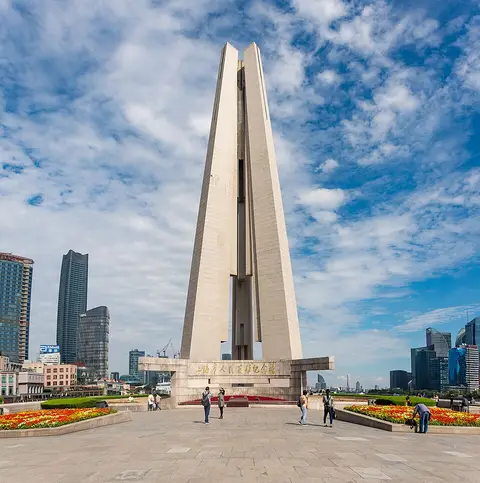
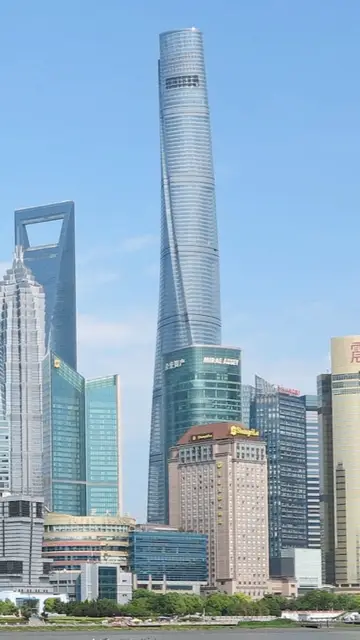
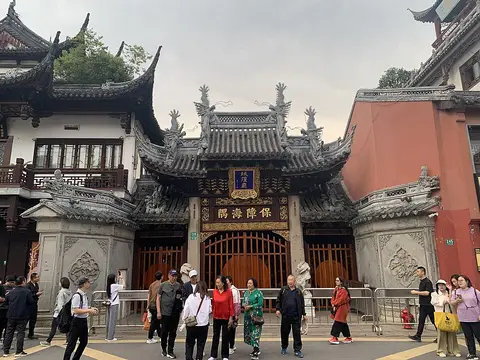
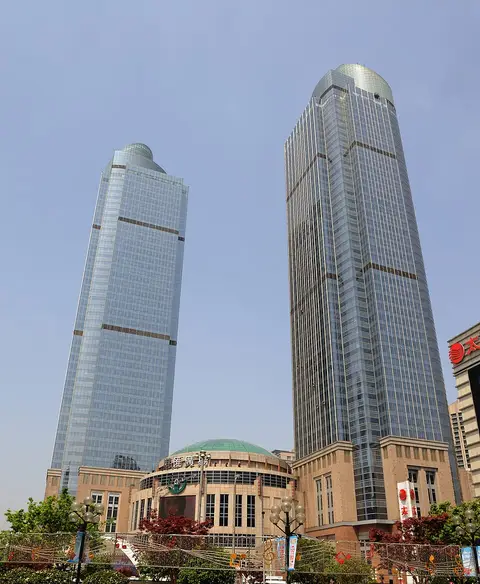
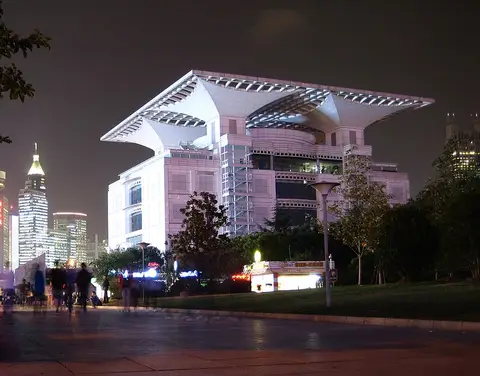
The Bund in the Waitan district is a riverfront promenade lined with dozens of grand buildings in the Neoclassical and Art Deco styles, including the Peace Hotel and the former Hongkong and Shanghai Bank building. The view is at its best in the evening, when the towers of Lujiazui light up on the other side of the river: the Oriental Pearl Tower with its pink spheres, the Shanghai World Financial Center, and the 632-meter Shanghai Tower, the tallest building in China, with an observation deck. West of the Bund, the shopping street Nanjing Lu leads to People's Square and the Shanghai Museum, which displays Chinese bronzes, ceramics, and calligraphy. The Yu Garden lies in the Old City, a classic Ming-era garden with ponds, pavilions, and rock formations, surrounded by a bustling bazaar. The Jade Buddha Temple and the Jing'an Temple, with its golden roofs among high-rises, are Buddhist havens of calm.
Neighborhoods: The French Concession and Xintiandi
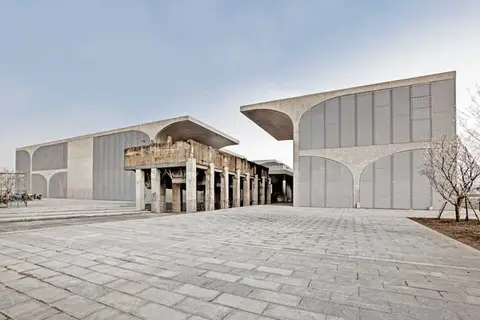
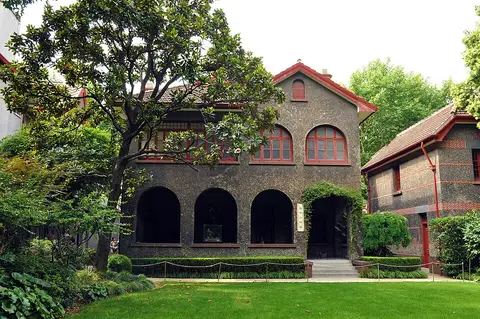
The former French Concession, with its plane-tree-lined avenues, villas, and lane houses (the typical Shikumen row houses), is one of the loveliest areas for a stroll. Around Wukang Lu and in the Ruijin district you'll find cafés, boutiques, and galleries. Xintiandi is a restored Shikumen district with restaurants; one of its houses hosted the founding congress of the Communist Party in 1921. In Tianzifang, artisans have settled in a maze of narrow alleys. On the western bank of the Huangpu, the West Bund has developed into an arts district with museums such as the Long Museum and a branch of the Centre Pompidou. Xujiahui, with its Neo-Gothic cathedral, and the business district along Nanjing Xilu show the mix of old and new.
Eating in Shanghai
Shanghai's most famous specialty is xiaolongbao, steamed dumplings filled with hot soup and pork, which you carefully bite into on a spoon. Other favorites include shengjianbao, pan-fried dumplings; hongshao rou, pork braised in soy sauce; and, in autumn, the prized Chinese mitten crabs. The regional cuisine tends to be sweetish and mild. Breakfast brings cifantuan, sticky rice rolls, and youtiao, fried dough sticks. Restaurants in Shanghai range from street stalls to top-end establishments with international awards.
Going Out in Shanghai
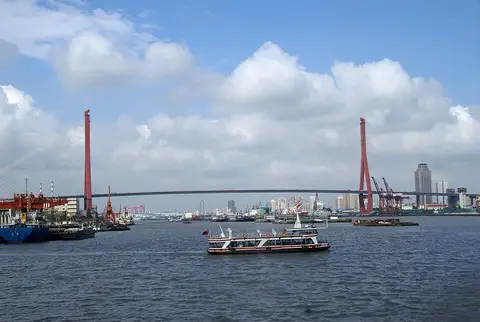
In the evening, people gather in rooftop bars on the Bund with views of Pudong, in cocktail bars in the French Concession, or for live music in small jazz clubs that carry on the tradition of the 1930s. A boat trip on the Huangpu at night is one of the classics. The water towns of Zhujiajiao and Zhouzhuang, with their canals and stone bridges, are popular day trips.
Getting Around and Best Time to Visit
Shanghai has two airports: Pudong for international flights, with the Transrapid maglev train that runs toward the city at up to 300 km/h (186 mph), and Hongqiao in the west, with domestic flights and the large station for high-speed trains to Beijing, Hangzhou, and Suzhou. The metro is inexpensive, clean, and well signed. Almost everywhere you pay by app, such as Alipay or WeChat Pay, which now also accept foreign cards. German citizens can currently enter visa-free for short stays; you should check the rules before your trip. The best time to visit is spring and fall. Summer is hot and muggy, June brings a lot of rain, and winter is damp and cool.