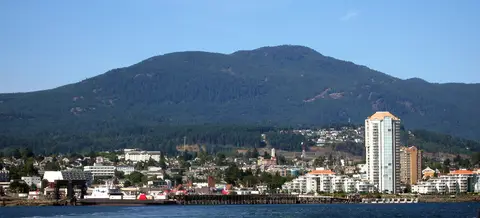
British Columbia: Pacific Coast and Rocky Mountains
Travel guide · editorialCanada's westernmost province lies between the Pacific and the Rocky Mountains and is home to some of the most spectacular scenery in North America. A vacation in British Columbia combines the city of Vancouver with rainforests on Vancouver Island, orcas in the Salish Sea, wineries in the Okanagan Valley, and glaciers in the mountains.
Landscape and Location
British Columbia is nearly three times the size of Germany and largely mountainous. The Coast Mountains run along the rugged Pacific coastline with its fjords and thousands of islands, and temperate rainforest with giant cedars and Douglas firs grows on their western slopes. Inland, you'll find dry high plateaus, lakes, and the Okanagan Valley, one of the warmest areas in Canada. In the east, the Rocky Mountains form the border with Alberta. In the north, vast areas are almost uninhabited, and the Haida Gwaii archipelago lies off the coast. Much of the province is land to which First Nations hold claims, and many treaties were never signed.
Vancouver and the Lower Mainland
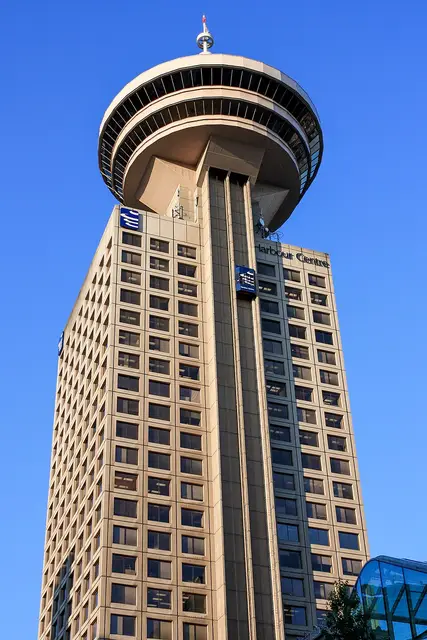
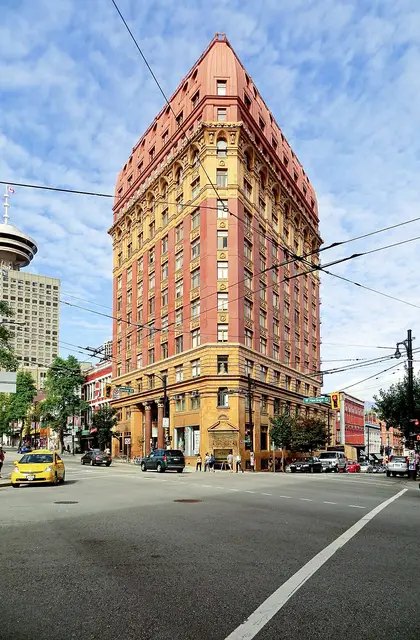
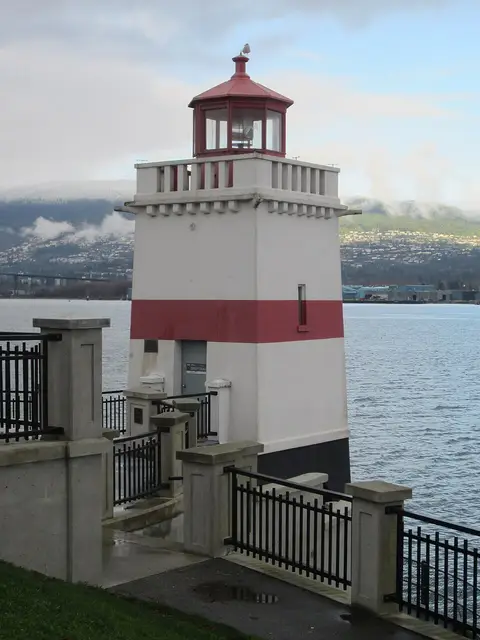
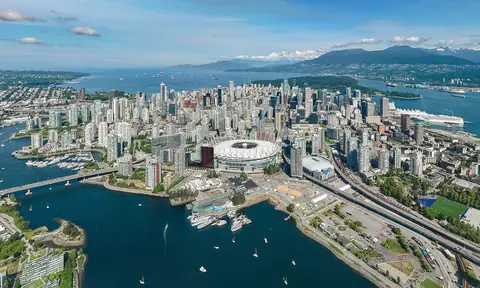
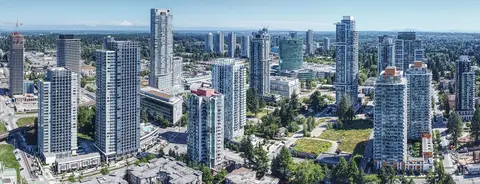
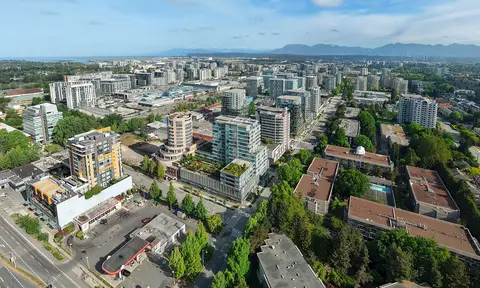
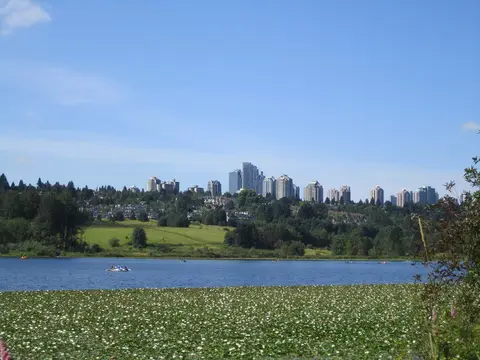
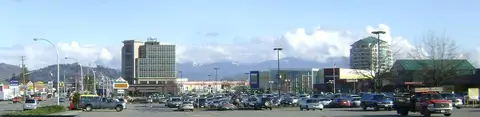
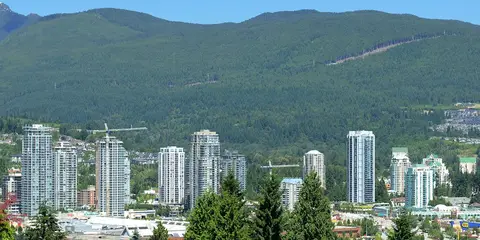
Vancouver sits between mountains and sea and is considered one of the most livable cities in the world. Stanley Park, larger than Central Park, is ringed by a seawall promenade and has totem poles. Gastown with its steam clock, Granville Island with its market, and Chinatown shape the city center. Half an hour away, the Capilano Suspension Bridge hangs over a canyon, and the gondola up Grouse Mountain offers views over the city. The metropolitan area includes Surrey, the province's second-largest city with large South Asian communities, Burnaby with Simon Fraser University, and Richmond with the airport and Asian night markets. In the Fraser Valley, Abbotsford lies amid berry farms.
Sights in British Columbia
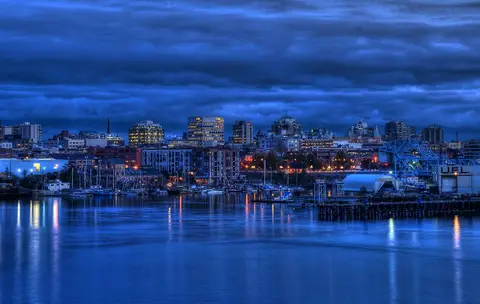
Victoria on Vancouver Island is the capital, with British flair, the Parliament Buildings on the harbor, the Empress Hotel, and the Butchart Gardens. Boat tours to see orcas depart from here. On the west side of the island are Tofino and Pacific Rim National Park with surf beaches, rainforest, and gray whales. The Sea-to-Sky Highway leads from Vancouver to Whistler, host of the 2010 Winter Olympics and one of the largest ski resorts in North America. In the Rockies, Yoho and Kootenay National Parks protect glaciers, lakes, and waterfalls. On Haida Gwaii, Gwaii Haanas preserves totem poles in abandoned villages that are a World Heritage Site.
Okanagan and the Interior
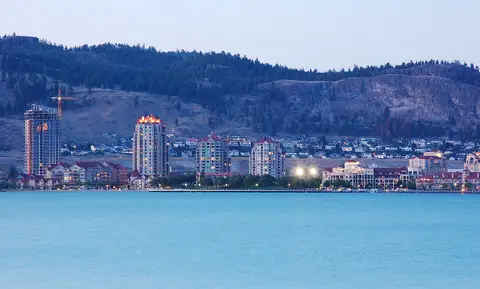
Kelowna on Okanagan Lake is the center of a wine region with more than 200 wineries, orchards, and swimming beaches. Summers are hot and dry, and the lake is said to be home to the lake monster Ogopogo. Kamloops lies in a semi-desert of hills and rivers and is the gateway to ski areas such as Sun Peaks. Farther east, the Trans-Canada Highway and the railway lead through Rogers Pass into the Rockies. In the north, the Inside Passage by ferry and the highway to Prince Rupert open up a coast with bears living in the Great Bear Rainforest, including rare white Spirit Bears. On the way into the interior, Harrison Hot Springs, the gold rush town of Barkerville, and Wells Gray Provincial Park with its numerous waterfalls are worth a stop. In the Kootenay region in the southeast, you'll find hot springs such as Radium and Ainsworth, as well as lakes where you can rent houseboats.
Food and Drink
Wild salmon, especially sockeye, is smoked, grilled, or eaten as candied salmon, alongside Dungeness crab, oysters, and spot prawns. Vancouver has outstanding Asian cuisine, including dim sum and sushi; Vancouver sushi chef Hidekazu Tojo is considered one of the inventors of the California roll. The Nanaimo bar, a no-bake layered dessert, originated on Vancouver Island. Okanagan wines, craft beer, and coffee culture are all part of the local lifestyle.
Getting There and Best Time to Visit
Vancouver International is the main airport, with direct flights from Europe. BC Ferries connect the mainland with Vancouver Island and the coast, and the Rocky Mountaineer runs as a scenic train into the Rockies. A rental car makes sense for exploring the province. The best time to visit British Columbia is from June to September; on the coast, winters are very rainy, while ski season in the mountains runs from December to March. In summer, wildfires can close roads and cause smoke.