Đồng Tháp: Lotus Fields, Flower Villages and Mekong Islands
Travel guide · editorialPink lotus in the ponds, boats loaded with flowers outside Sa Đéc, and coconut palms on the islands off Mỹ Tho: Đồng Tháp Province shows you the Mekong Delta at its most authentic. Since 2025, Tiền Giang has been part of the province, so a vacation in Đồng Tháp now stretches from the banks of the Mekong all the way to the coast at Gò Công.
Land Along the Tiền River
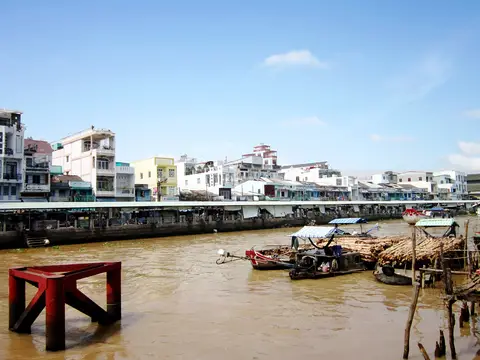
The province lies in the north of the Mekong Delta and is crossed by the Tiền, the northern main branch of the river, which enters from Cambodia near Hồng Ngự. To the north lies the Plain of Reeds, Đồng Tháp Mười, a once-marshy lowland that floods over wide areas in the rainy season. In the south and east, in the former Tiền Giang, you'll find orchards, canals and islands such as Thới Sơn off Mỹ Tho, which is now the administrative seat. At Gò Công, the province reaches the sea. Cao Lãnh, Sa Đéc, Cai Lậy and Cái Bè are other towns that live from the rice and fruit trade.
Sights in Đồng Tháp
Tràm Chim National Park near Tam Nông protects a remnant of the original reed plain. The rare sarus crane overwinters here, although it has become scarce in recent years; storks, herons and darters, however, are around in large numbers. A boat takes you through canals and melaleuca forest. In Gáo Giồng near Cao Lãnh, more melaleuca forests teem with birds. Sa Đéc is the delta's flower village: in Tân Quy Đông, chrysanthemums, roses and bonsai are grown on racks above the fields, and things get hectic before Tết. In town stands the house of Huỳnh Thủy Lê, the Chinese-Vietnamese lover immortalized by the writer Marguerite Duras in her novel "The Lover." Cao Lãnh has a memorial site for Nguyễn Sinh Sắc, the father of Hồ Chí Minh.
Mỹ Tho and the Islands
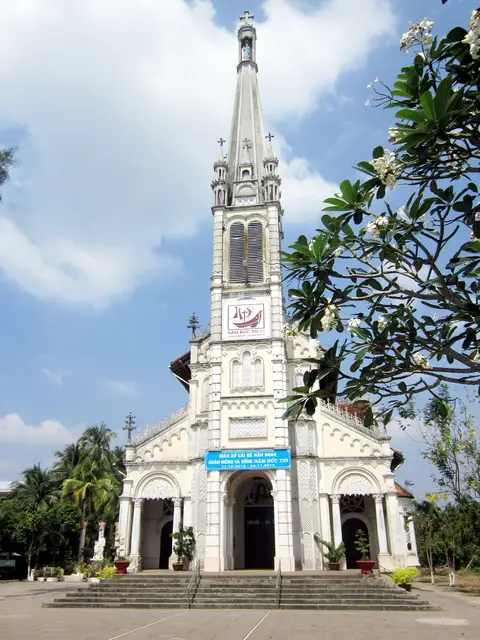
For many travelers, Mỹ Tho is their first encounter with the Mekong, as it lies only two hours from Saigon. Boats run to Thới Sơn Island, where you glide through narrow canals in rowboats, sample coconut candy and listen to đờn ca tài tử, a traditional style of music recognized as UNESCO intangible cultural heritage. Vĩnh Tràng Pagoda in Mỹ Tho combines Vietnamese, Chinese and European architectural styles. The floating market at Cái Bè has shrunk but is still lively. Around Gò Công, old houses recall the family of Empress Từ Dụ, and Tân Thành Beach lies on the coast.
Food and Drink
Lotus is everywhere: seeds, roots and stems are used in salads and soups, and the leaves serve as wrappers for rice. Hủ tiếu Mỹ Tho, a clear noodle soup with pork and shrimp, is one of the best-known soups of the South. Rice noodles come from Sa Đéc, mangoes from Cao Lãnh. In the delta you can also try elephant ear fish, cá tai tượng, fried crispy and rolled in rice paper.
Getting There and Best Time to Visit
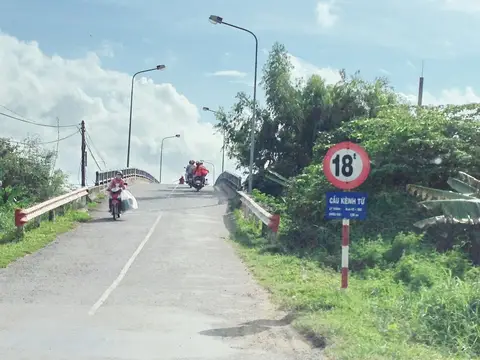
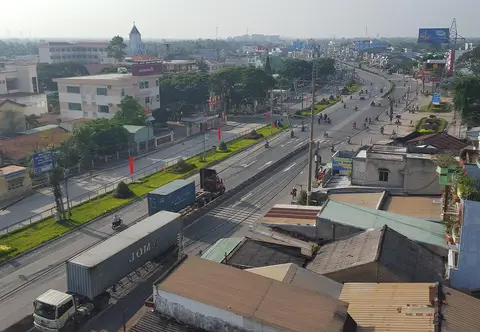
Mỹ Tho can be reached from Saigon via the expressway in about an hour and a half, Cao Lãnh and Sa Đéc in three to four hours. New bridges over the Tiền have made many ferries unnecessary. The best time to visit is the dry season from December to April. Lotus blooms mainly from May to August, and from September to November the land is under water, which makes boat trips through flooded fields possible.