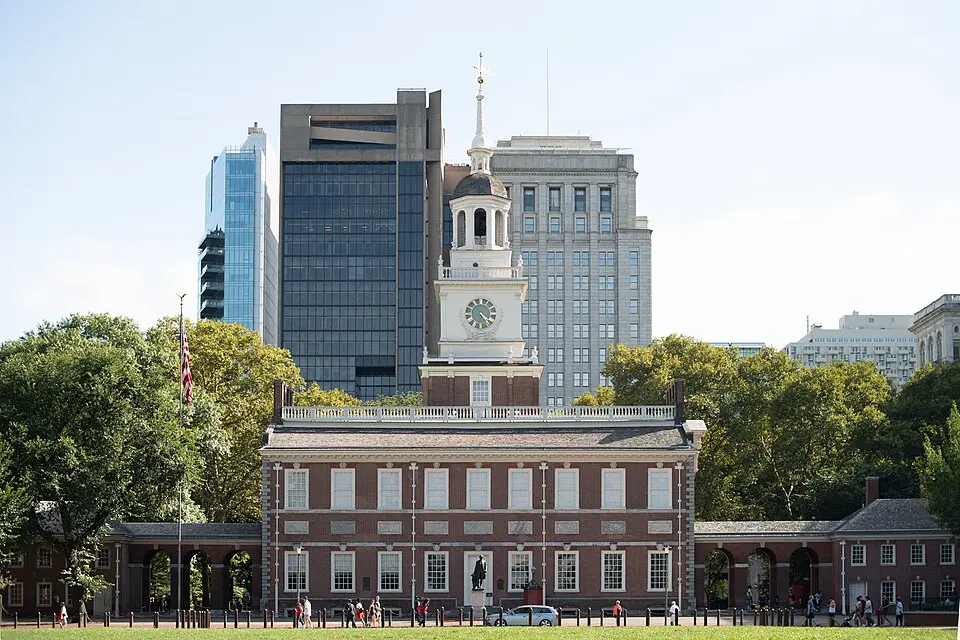
About Indipendence Hall - Philadelphia
Independence Hall in Philadelphia, originally known as the Pennsylvania State House, is the historic legislative building where the foundations of the United States were laid. Construction began in 1732 based on plans by the architect Edmund Woolley and was completed in 1748. The building first served as the seat of government of the British colony of Pennsylvania, and it was also the setting for grand banquets for distinguished guests. In 1751, a striking tower was added to the south side of the structure, and a bell was hung in it in 1752. Shortly afterward, however, that bell had to be replaced by the famous Liberty Bell because it developed a crack. The original tower was later torn down because it was in danger of collapsing and was replaced with a new tower in the Colonial Revival style.
The site is of the greatest historical importance as the meeting place of the Second Continental Congress. It was here in 1776 that the Declaration of Independence was adopted, an event that gave the building its present name. After temporary relocations due to British invasions, the Congress returned in 1778 to complete its work. In 1787, the Philadelphia Convention met here and drafted the Constitution of the United States. From 1802 to 1827, the naturalist Charles Willson Peale used the upper floors for his museum, which was revolutionary in being open to all levels of society and displayed, among other things, stuffed animals, insects, and minerals. After the museum moved out, the historic significance of the site was only gradually recognized, which eventually led to its designation as a National Historic Site in 1943 and its takeover by the National Park Service in 1951.
Today, Independence Hall is the centerpiece of Independence National Historical Park and has been part of a UNESCO World Heritage Site since 1979. Visitors can tour the rooms where the historic documents were signed and experience the atmosphere of this place of national identity. The building also appears on the back of the $100 bill and serves as a symbol of America's freedom and democracy. Despite protests in front of the building in the 1920s and 1930s, the interior always remained a place of quiet remembrance and honor. Independence Hall is not only an architectural monument of the 18th century but also a living place that reflects Philadelphia's central role in American history.
At a glance
- Category
- Sight › Historic sites
- Rating
- no reviews yet · write a review
- Address
- —
Philadelphia, USA - District
- Center City
- Phone
- —
- Website
- —
- —
- Coordinates
- 39.95021° N · -75.15000° E
- Data quality
- confidence 0.73
- Identifier
- ID 640d7f2c-a01…
Location & surroundings
Toggle layersRatings & comments
none yetNear Indipendence Hall - Philadelphia
closest 5 per category · 2 kmSights
Restaurants
Museums
Hotels
More:Historic sites in Philadelphia (962)Sights in Center City (209)All sights in Philadelphia (1,030)
289 places within 2 km loaded.
Don't miss in Philadelphia
All sights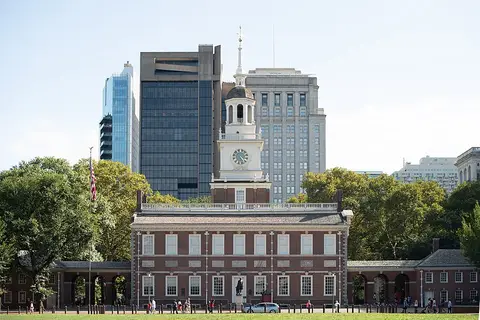 Historic sites01
Independence Hall
520 Chestnut St · Philadelphia● Website● Phone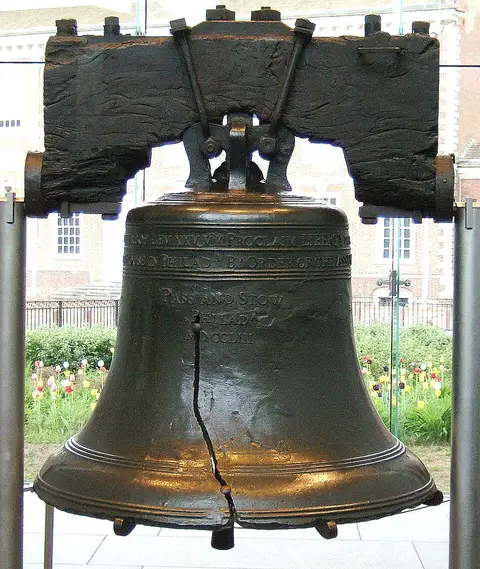 Historic sites02
Liberty Bell
526 Market St · Philadelphia● Website● Phone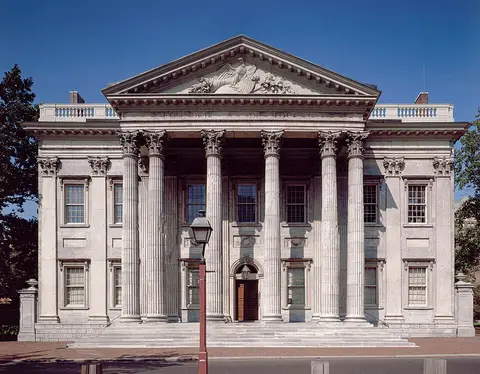 Historic sites03
First Bank of the United States
120 S 3rd St · Philadelphia● Website● Phone Historic sites04
You need a free account to leave reviews and photos – that keeps comments genuine and lets you edit them later.
The centerpiece of the park and one of the most important buildings of the Revolutionary period. Built as the Pennsylvania State House, this is where the Declaration of Independence was adopted on July 4, 1776, and where the U.S. Constitution was drafted in 1787, among other momentous historical events. The Independence Hall is listed as a UNESCO World Heritage site. Visitors to the park are encouraged to take a tour of the interior of the building, which is furnished with period pieces, including the exact desk and chair the Declaration of Independence was signed. Timed tour tickets must be reserved in advance online or at the Visitor's Center in order to enter. Tickets reserved online have a $1.50 processing fee, but are free at the Visitor's Center.
Source: Wikivoyage, „Philadelphia/Old City“ · authors per page history · CC BY-SA 4.0