Discover Greensboro: Sit-In, Battlefield, and Art
Travel guide · editorialOn February 1, 1960, four Black college students sat down at the lunch counter of a Woolworth department store that was reserved for whites only – and refused to leave. A trip to Greensboro takes you to the place where the sit-in movement began, and to a green, unhurried city in North Carolina's Piedmont region.
From Revolutionary Battle to Civil Rights Struggle
Greensboro is named for General Nathanael Greene, who fought Lord Cornwallis's British troops at Guilford Courthouse in 1781. The battle was lost, but it weakened the British decisively. In the 20th century, the city became a center of denim production, with textile mills such as Cone Mills. But it was the "Greensboro Four" from North Carolina A&T State University who made world history; their peaceful protest was imitated across the country and hastened the end of segregation.
Sights in Greensboro
The former Woolworth building on Elm Street is now home to the International Civil Rights Center & Museum, where the original lunch counter has been preserved. Guilford Courthouse National Military Park on the north side of the city commemorates the 1781 battle and has lovely hiking trails. The Greensboro Science Center combines an aquarium, zoo, and planetarium, while the Weatherspoon Art Museum at UNC Greensboro shows modern art. Along the Downtown Greenway, a loop trail dotted with sculptures, you can explore the city center on foot or by bike. In summer, LeBauer Park hosts concerts and movie nights.
Eating and Going Out in Greensboro
North Carolina is famous for its barbecue; around Greensboro, Lexington style dominates, with pork shoulder and a slightly sweet, vinegar-based sauce. It comes with hushpuppies, fried cornmeal balls, and coleslaw. Downtown along South Elm Street has come to life with breweries, cafés, and live music venues; near the UNC Greensboro campus, students keep the nightlife relaxed. On Saturdays, farmers sell regional produce at the Greensboro Farmers Curb Market.
Parks, Gardens, and Festivals
Greensboro is a green city with plenty of lakes. Hiking and biking trails run along Lake Brandt and Lake Townsend to the north, and you can rent canoes. The Bog Garden shows off wetland plants along boardwalks, and in the neighboring Bicentennial Garden, tulips and azaleas bloom in spring. The Greensboro History Museum tells the city's story with exhibits on civil rights and the textile industry. A special tradition is the North Carolina Folk Festival in September, which brings musicians from many countries to downtown free of charge. In summer, you can cool off at the Emerald Pointe water park.
Getting Around Greensboro and the Best Time to Visit
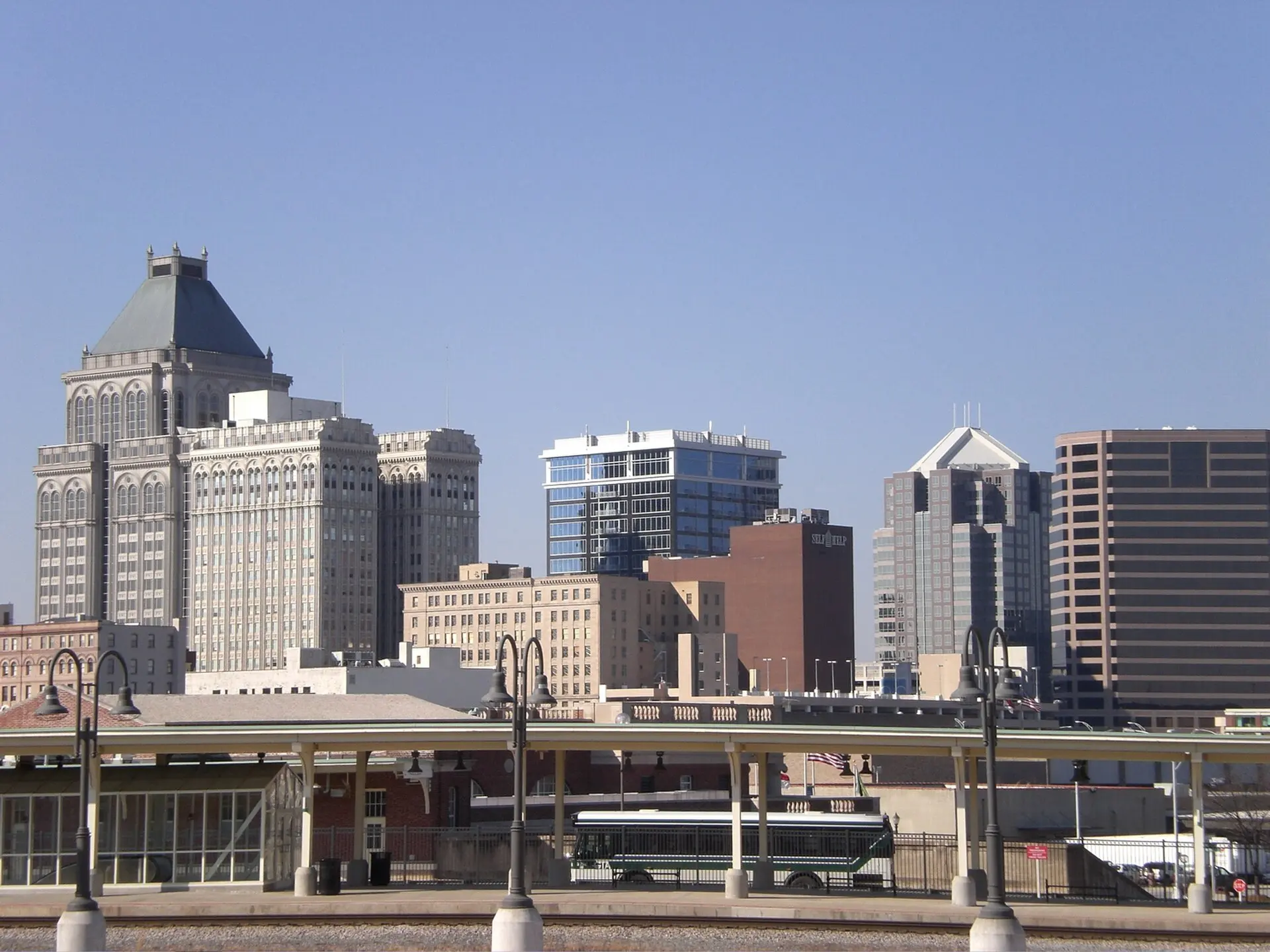
Piedmont Triad International Airport lies west of the city, between Greensboro, Winston-Salem, and High Point. Amtrak trains stop at the historic J. Douglas Galyon Depot, and buses serve the city. A car is still handy for day trips. The best times to visit are spring, with blooming dogwoods and azaleas, and fall. In nearby High Point, the huge furniture market takes place twice a year, Winston-Salem draws visitors with the historic district of Old Salem, and the Blue Ridge Parkway is about two hours away.