About Reliance Building
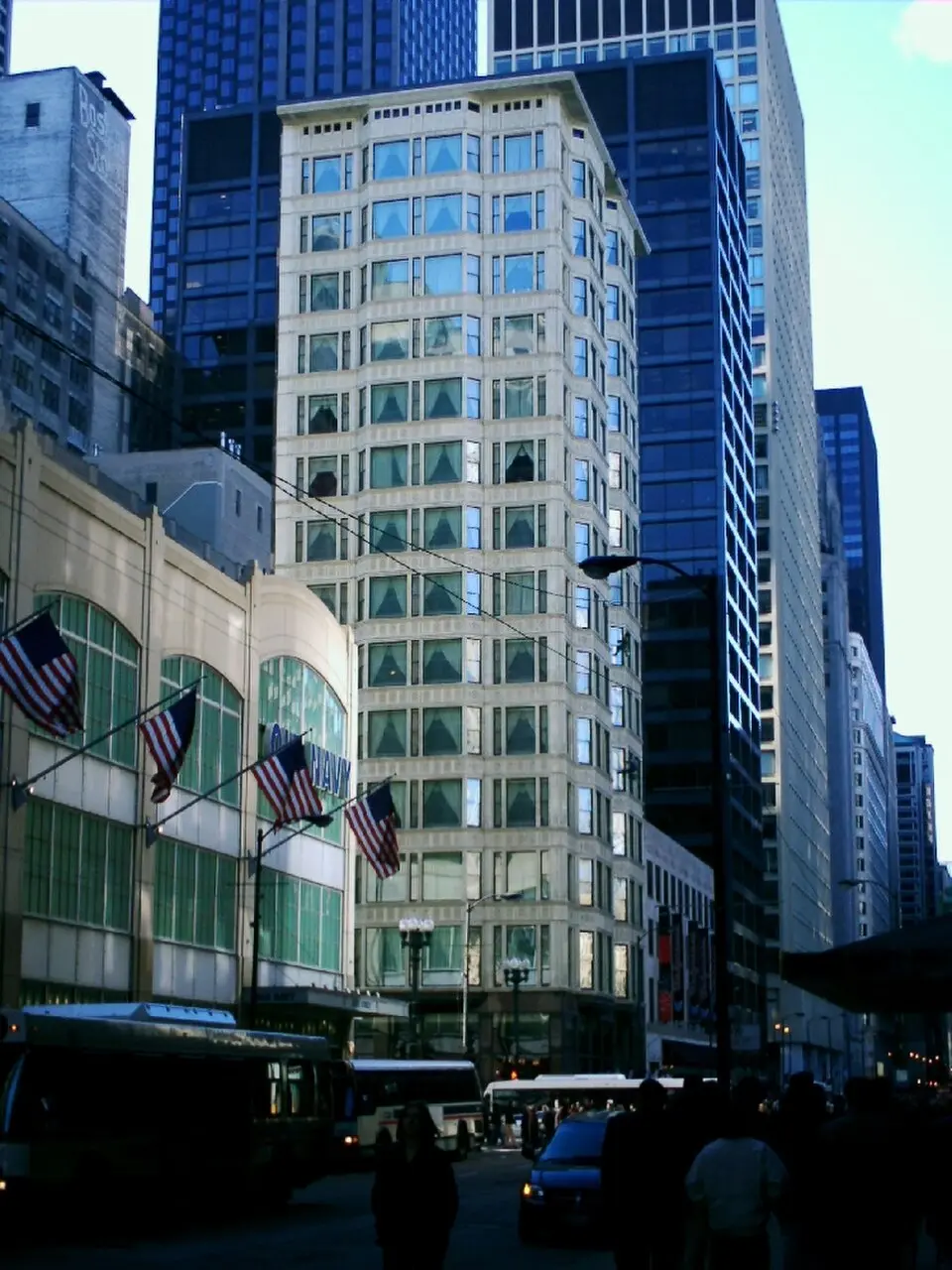
The Reliance Building in Chicago is considered a historic architectural milestone because it was the first skyscraper whose facade was made up largely of glass. The building went up in two phases: John Wellborn Root designed the dark, understated ground floor, while Charles B. Atwood designed the thirteen transparent office floors above it. Atwood made use of the characteristic Chicago window, which pairs a large central pane of glass with operable sashes on either side. This contrast between a solid base and a light-filled facade is still clearly visible today. An important architectural landmark, the building has been listed on the National Register of Historic Places since 1970 and was declared a National Historic Landmark in 1976.
At a glance
- Category
- Sight › Historic sites
- Rating
- no reviews yet · write a review
- Address
- 1 W Washington St
60602 Chicago, USA - District
- Loop
- Phone
- +13129223432
- Website
- www.burnhamhotel.com
- —
- Coordinates
- 41.88312° N · -87.62806° E
- Data quality
- confidence 0.93
- Identifier
- ID 3a6ca7ff-cbf…
Location & surroundings
Toggle layersFAQ about Reliance Building
quick answersWhat is the Reliance Building in Chicago?
The Reliance Building is a historic high-rise in Chicago's Loop district in the USA and is considered the first skyscraper whose facade was made up largely of glass. It stands at 1 W Washington St. This makes it an architectural milestone in the development of modern skyscraper construction.
Who designed the Reliance Building?
The Reliance Building in Chicago was built in two phases and is the work of two architects. John Wellborn Root designed the dark, simple ground floor, while Charles B. Atwood designed the thirteen transparent office floors above it. Atwood used the characteristic Chicago window, which combines a large central pane of glass with operable sashes on either side. The contrast between the solid base and the light-filled facade is still clearly visible today.
Is the Reliance Building a protected landmark?
Yes, the Reliance Building in Chicago is an officially recognized historic landmark in the USA. It has been listed on the National Register of Historic Places since 1970. In 1976, it was also designated a National Historic Landmark.
What can you see around the Reliance Building in Chicago?
Around the Reliance Building in Chicago's Loop, you'll find several museums and historic buildings within walking distance. The Flip: Chicago's Playable Pinball Museum is only about 140 feet away, and you'll reach the Museum of Illusions Chicago after about 350 feet. Historic buildings nearby include the Marshall Field And Company Building (about 320 feet) and the Carson, Pirie, Scott and Company Building (about 500 feet). For a break, travelguide195 lists around 322 restaurants within a 500-meter radius.
Which tours pass by the Reliance Building?
The Reliance Building in Chicago is part of three tours on travelguide195. These include the "Architecture Walk Through the Loop: From the Riverfront to Michigan Avenue" and "Chicago Tells Its Story: From Haymarket to the St. Valentine's Day Massacre." The building is also a stop on the tour "Hyde Park and the Quiet Side of the Loop."
Ratings & comments
none yetNear Reliance Building
closest 5 per category · 2 kmSights
Restaurants
Museums
Hotels
More:Historic sites in Chicago (1,530)Sights in Loop (182)All sights in Chicago (1,606)
300 places within 2 km loaded.
Don't miss in Chicago
All sights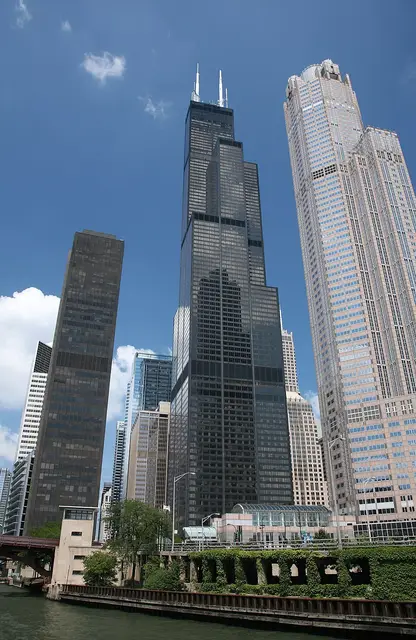 Historic sites01
Sears Tower
233 S Wacker Dr · Chicago● Website● Phone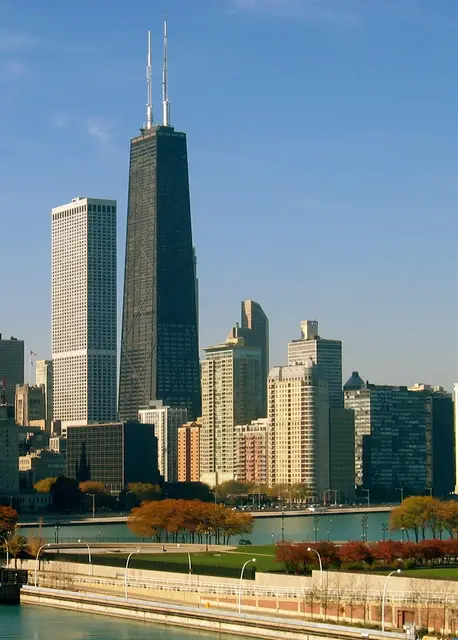 Historic sites02
875 North Michigan Avenue
875 N Michigan Ave · Chicago● Website● Phone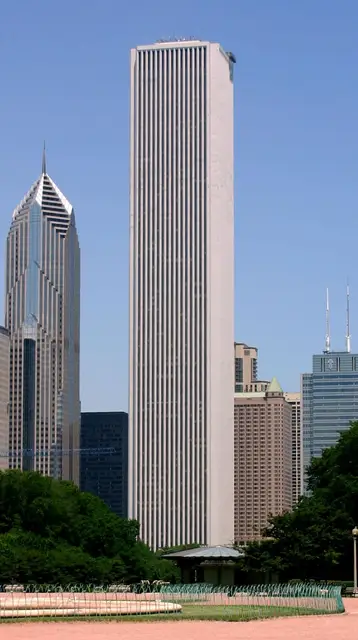 Historic sites03
Aon Center
200 E Randolph St · Chicago● Website● Phone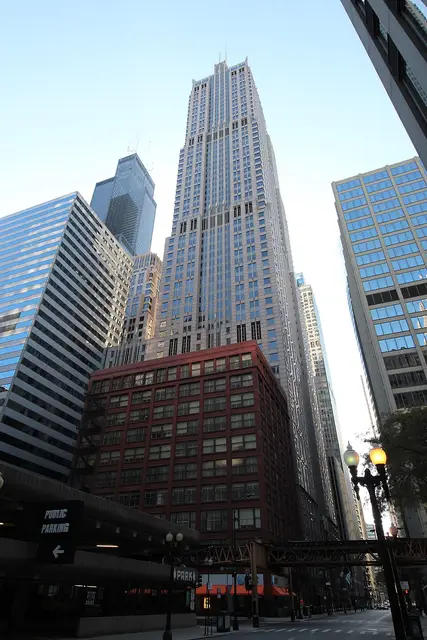 Historic sites04
You need a free account to leave reviews and photos – that keeps comments genuine and lets you edit them later.
A then-unprecedented amount of glass was used in this early skyscraper, bewildering a public still used to masonry walls. Note the difference between the first two floors and the ones above: hold-outs among the previous building's tenants forced developers to build the foundation and the first two floors under the top three floors from the old building, and then knock off the top three when their leases had expired. It was restored when it became the Hotel Burnham (see below) in 1999, and can be explored with a stop at the Atwood Cafe (also below).
Source: Wikivoyage, „Chicago/Loop“ · authors per page history · CC BY-SA 4.0