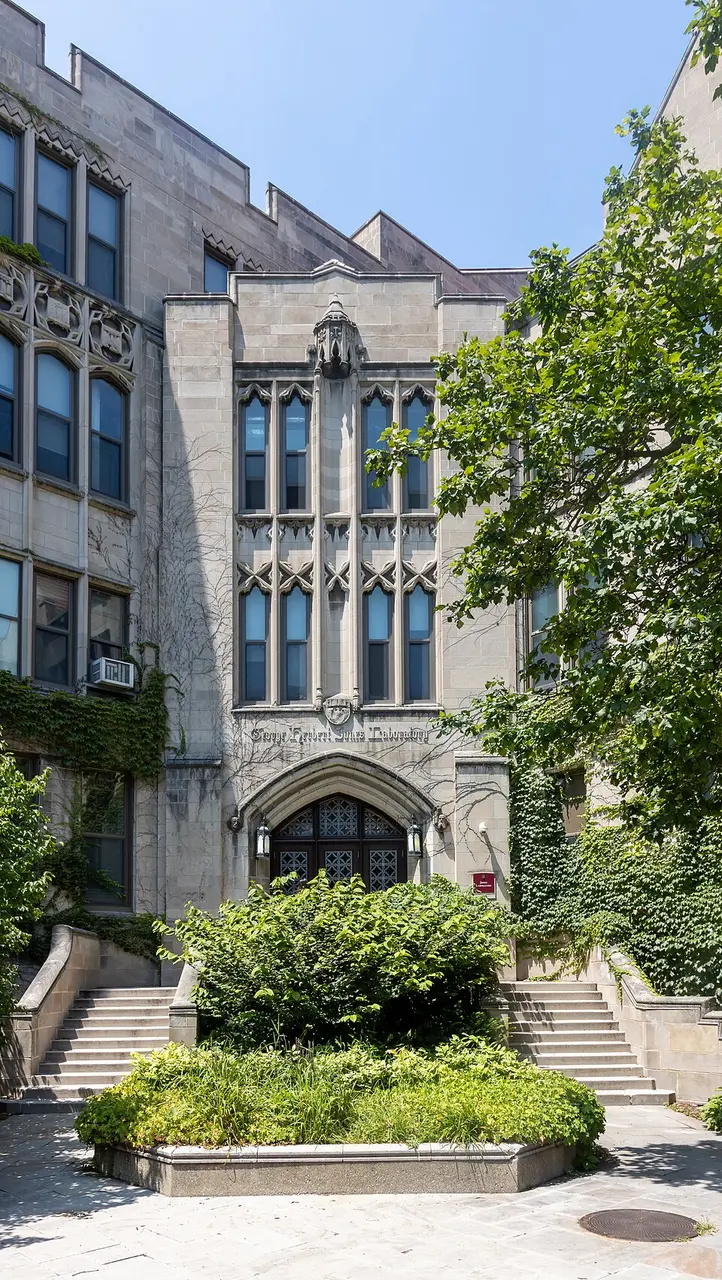
About George Herbert Jones Laboratory
The George Herbert Jones Laboratory is a four-story brick building on the main campus of the University of Chicago, built in 1928 and 1929 as a research facility for chemistry. It is best known for Room 405 on the fourth floor, which was declared a National Historic Landmark in 1967. Here, in August 1942, a team led by Glenn Seaborg isolated a measurable quantity of the artificially produced element plutonium for the first time, as part of the Manhattan Project. This historic discovery laid the groundwork for the development of nuclear energy and nuclear weapons. In the laboratory's foyer, you can view a collection of the specialized measuring instruments that were used at the time to determine atomic weight, while the historic room itself is now a plain room with shelves and work surfaces.
At a glance
- Category
- Sight › Historic sites
- Rating
- no reviews yet · write a review
- Address
- —
60637 Chicago, USA - District
- Hyde Park
- Phone
- —
- Website
- pdfhost.focus.nps.gov
- —
- Coordinates
- 41.79011° N · -87.60083° E
- Data quality
- confidence 0.81
- Identifier
- ID 3cbf1414-e7b…
Location & surroundings
Toggle layersRatings & comments
none yetNear George Herbert Jones Laboratory
closest 5 per category · 2 kmSights
Restaurants
Museums
Hotels
Cocktail bars
More:Historic sites in Chicago (1,530)Sights in Hyde Park (42)All sights in Chicago (1,606)
155 places within 2 km loaded.
Don't miss in Chicago
All sights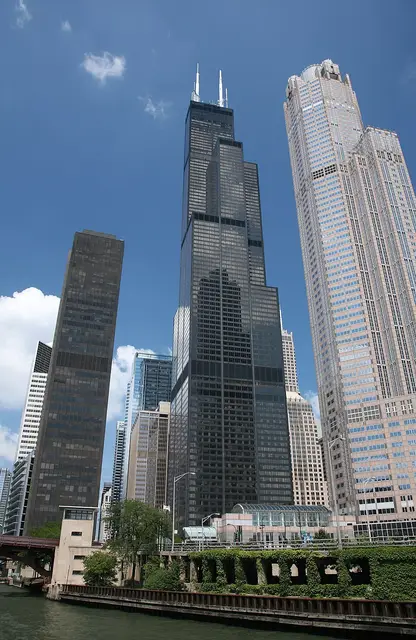 Historic sites01
Sears Tower
233 S Wacker Dr · Chicago● Website● Phone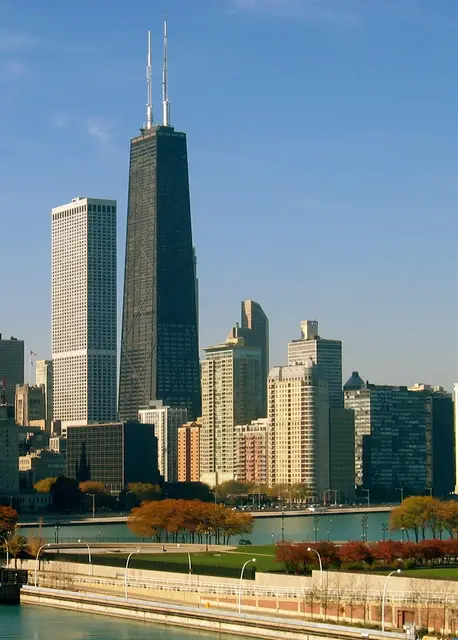 Historic sites02
875 North Michigan Avenue
875 N Michigan Ave · Chicago● Website● Phone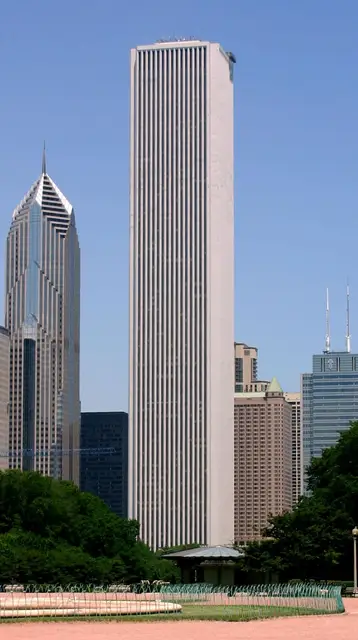 Historic sites03
Aon Center
200 E Randolph St · Chicago● Website● Phone Historic sites04
You need a free account to leave reviews and photos – that keeps comments genuine and lets you edit them later.
This is a laboratory at the University of Chicago, where trace quantity of plutonium, the first artificial element, was isolated and characterized in 1942. Room 405 was named a National Historic Landmark in 1967. In the 1980s Department of Energy remediated the lab from World War II-era radioactive waste. The building is private property, but open during the daytime and it is possible to enter the lobby of the laboratory and view a collection of the specialized equipment used to perform the measurements.
Source: Wikivoyage, „Nuclear tourism“ · authors per page history · CC BY-SA 4.0