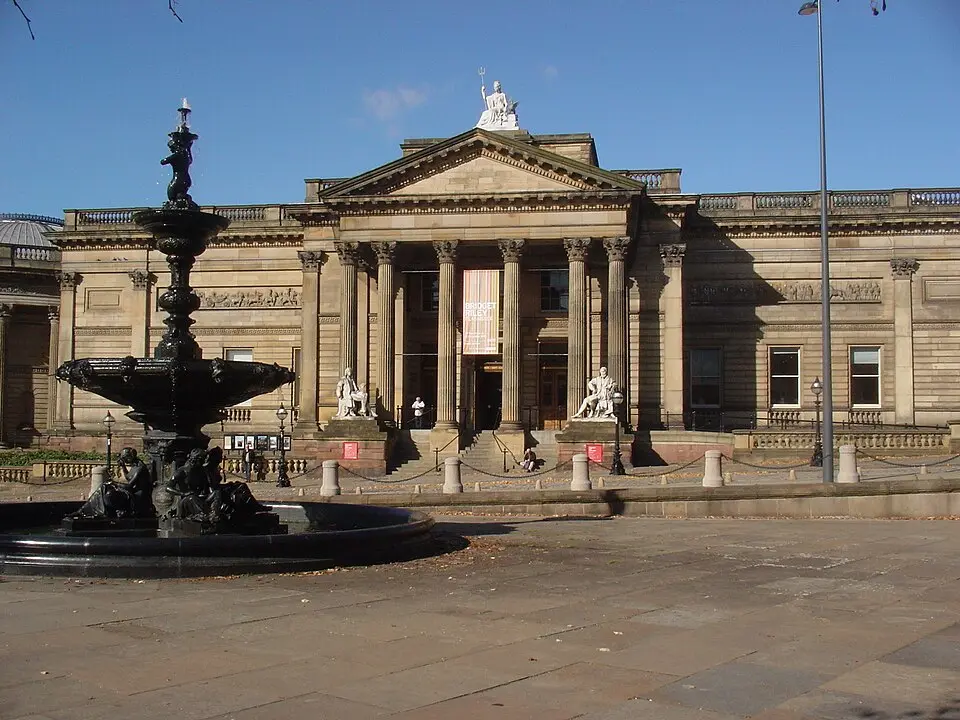
About Walker Art Gallery
The Walker Art Gallery in Liverpool houses one of the most important art collections in England and is therefore often called the National Gallery of the North. Its holdings include paintings and sculptures from the last six centuries, created both by internationally renowned masters and by artists who are less well known today. The history of the institution goes back to 1873, when brewery owner and former mayor Andrew Barclay Walker donated a gallery to the city. He gave £20,000 for the purpose, to strengthen his public standing and possibly to improve the image of beer drinking at a time when alcohol consumption was coming under increasing criticism. The foundation stone was laid in 1874 by Prince Alfred, and in 1877 the Earl of Derby opened the galleries amid great public participation. In the first years, visitor numbers rose rapidly and reached a provisional peak as early as 1881.
The collection was expanded in the following decades through targeted purchases and donations. Early highlights included works by the Pre-Raphaelites, among them paintings by Dante Gabriel Rossetti, John Everett Millais, and William Holman Hunt, as well as pieces by the Newlyn School. International names such as Giovanni Segantini and, later, Pablo Picasso and Paul Gauguin also found their way into the collection. An important milestone was the closure of the gallery in 1931 for a large extension, financed by generous donations. After reopening in 1933, the gallery presented modern art, including works by Barbara Hepworth and Henry Moore. During World War II, the premises were used for administrative purposes and the artworks were dispersed for safekeeping. It was not until 1951, after extensive restoration work, that the gallery was able to reopen, with local businesspeople donating important works such as a self-portrait by Rembrandt.
In the second half of the 20th century, the Walker Art Gallery established itself as a cultural hub with a broad educational program and regular exhibitions. The introduction of the John Moores Painting Exhibition in 1957 created an important platform for contemporary art, in which artists such as David Hockney also took part. Other significant acquisitions included works by Peter Paul Rubens, Georges Seurat, Edgar Degas, Claude Monet, and Paul Cézanne. In the 1990s, the collection was enriched by the Weld-Blundell Collection, with drawings by Old Masters such as Guido Reni and Andrea Mantegna. Large-scale renovation work, which began in 1999 and was completed in 2002, considerably modernized the infrastructure. Today the redesigned spaces offer room for temporary exhibitions, a gallery for new prints and drawings, and renovated areas with works from the seventeenth century. The gallery remains a central place for engaging with art history, as current exhibitions on modern movements also demonstrate.
At a glance
- Category
- Museum › Art museums
- Rating
- no reviews yet · write a review
- Address
- William Brown St
L3 8EL Liverpool, United Kingdom - District
- Liverpool
- Phone
- +441514784199
- Website
- www.liverpoolmuseums.org.uk
- web@liverpoolmuseums.org.uk
- Coordinates
- 53.41002° N · -2.97962° E
- Data quality
- confidence 1.00
- Identifier
- ID ccf0cf57-ef9…
Location & surroundings
Toggle layersRatings & comments
none yetNear Walker Art Gallery
closest 5 per category · 2 kmSights
Restaurants
Museums
Hotels
More:Museums in Liverpool (38)All museums in Liverpool (48)
271 places within 2 km loaded.
Don't miss in Liverpool
All sights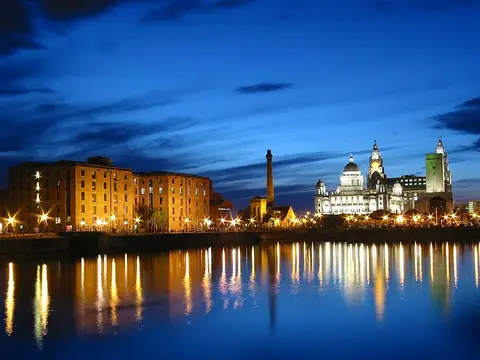 Historic sites01
Liverpool Maritime Mercantile City
No address · Liverpool● Website○ Phone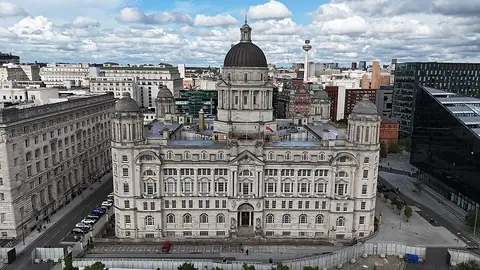 Historic sites02
Port of Liverpool Building
Pier Head · Liverpool● Website● Phone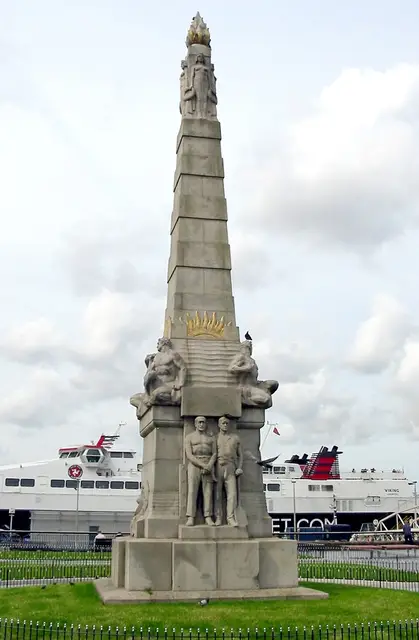 Historic sites03
Memorial to the Engine Room Heroes of the Titanic
St Nicholas Pl · Liverpool○ Website○ Phone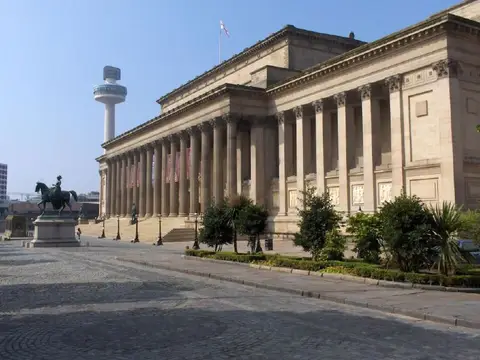 Historic sites04
You need a free account to leave reviews and photos – that keeps comments genuine and lets you edit them later.
A nice neoclassical building opened in 1871, which forms an ensemble with the Central Library.
Source: Wikivoyage, „Liverpool“ · authors per page history · CC BY-SA 4.0