Donetsk Oblast: A Coal Region at War
Travel guide · editorialUnder international law, Donetsk Oblast in the Donbas is part of Ukraine, but Russia has partially occupied it since 2014 and has controlled most of it since 2022. The region is a war zone; travel to Donetsk is not possible, and a travel warning is in effect. This profile describes the history and character of an area that has been badly scarred by war.
Industry and History
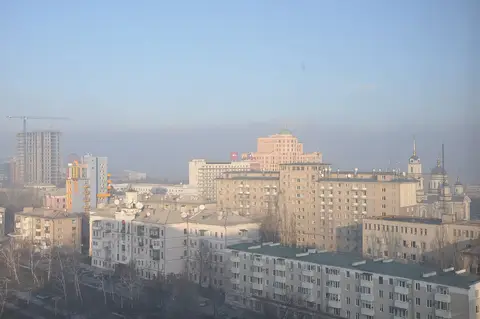
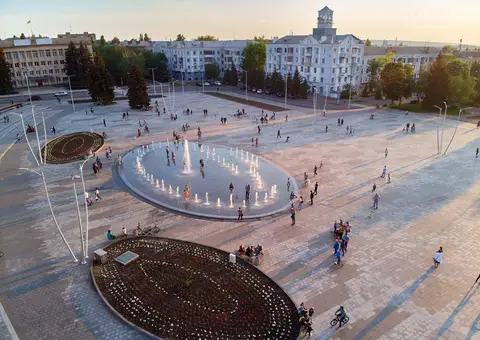
In the late 19th century, the Welsh entrepreneur John Hughes founded an ironworks, around which the town of Yuzovka arose – later Donetsk. Coal mines, slag heaps, and steel mills shaped the region from then on, and workers from all over the Russian Empire moved here. In the Soviet era, the Donbas was regarded as the heart of heavy industry. Before 2014, Donetsk was a major city of around one million people, known for its rose parks and the soccer club Shakhtar, whose stadium hosted matches at the 2012 European Championship. Since 2014, the city has been under Russian control.
The area around Sviatohirsk, with its chalk cliffs and pine forests along the Siverskyi Donets, was once a popular recreation area for all of eastern Ukraine, with sanatoriums and hiking trails. Many Greeks lived in Mariupol, and their villages along the coast of the Sea of Azov preserved a culture of their own.
Mariupol, Kramatorsk, and the Front
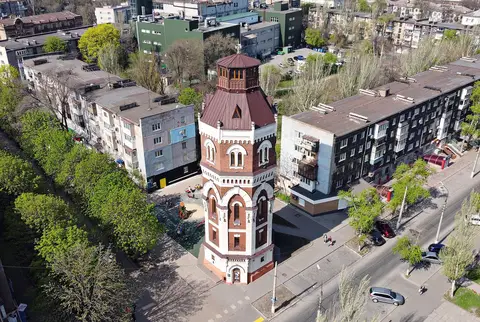
Mariupol on the Sea of Azov, once a port and steel city with Greek roots, was largely destroyed in 2022 after a siege lasting months; the attack on the theater and the fighting for the Azovstal steel plant have become symbols of the war. The city has been occupied ever since. Kramatorsk and Sloviansk in the north have served since 2014 as the seat of the Ukrainian regional administration and lie close to the front; the missile strike on the Kramatorsk train station in 2022 claimed many civilian lives. Cities such as Bakhmut, Avdiivka, and Vuhledar have been largely destroyed. In the north of the oblast, the Sviatohirsk Lavra cave monastery stood above the Siverskyi Donets, an important shrine of the Orthodox Church.
The Situation Today
Hundreds of thousands of people have fled the oblast, and many towns are depopulated. Combat, mines, and attacks make any stay life-threatening. A travel warning is in effect for the region, and travel is expressly not possible. What remains are memories of an industrial culture with an identity of its own and the hope of reconstruction.