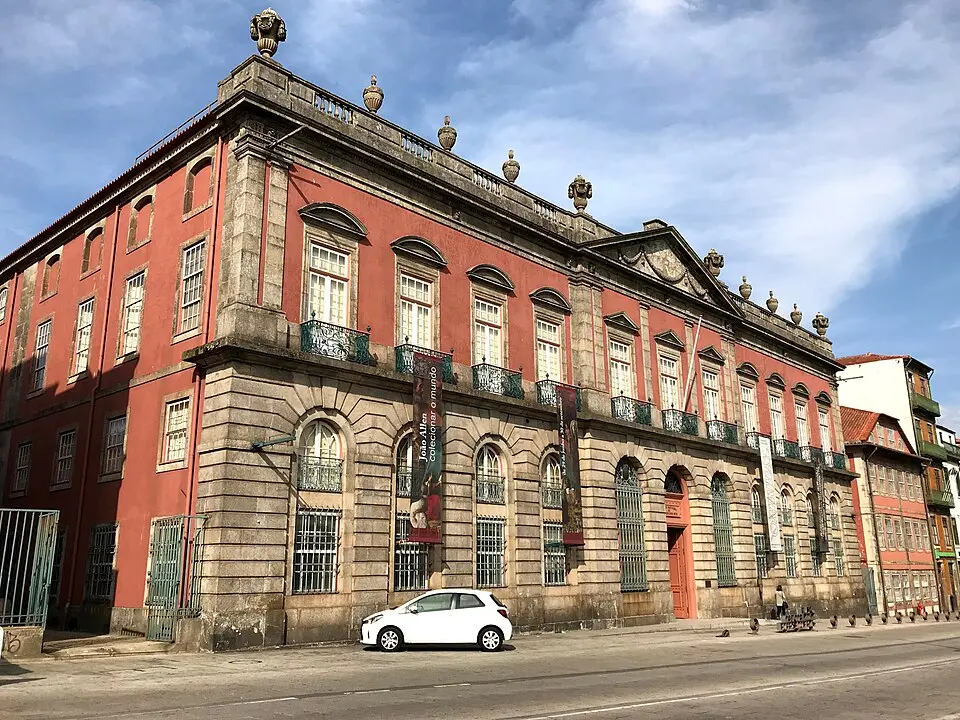
About Palácio dos Carrancas
The Palácio das Carrancas in Porto, in northern Portugal, is a historic estate that now houses the Soares dos Reis National Museum. It was built in the late 18th century after D. Brites Maria Felizarda de Castro combined several plots of land to build a grand residence and a factory. The architect Joaquim da Costa Lima Sampaio designed the building in the Neoclassical style, which had been shaped in Porto by the influence of English architects. The Italian artist Luis Chiari decorated the interior with stucco work and murals. Between 1800 and 1801, the Moraes e Castro family moved in; they gave the place the nickname "Carrancas" that is still used today, which roughly means "scowls" or "grim faces."
The palace's history is closely tied to the military events on the Iberian Peninsula. During the Napoleonic Wars, from 1808 the building served as the official residence of various generals, including Tamboreau, Soult, and Wellesley. Later, King Peter IV used the estate as his headquarters during the Siege of Porto in 1832. After the death of King Manuel II, the building was handed over to the Santa Casa da Misericórdia in 1932. In 1937, its conversion into a museum began, a process that continued over the decades through numerous renovations, expansions, and technical upgrades. Since 1991, the institution has been managed by the Portuguese Institute of Museums, and further modifications were made to the building complex in the 2000s as well.
Architecturally, the complex is divided into four main areas: the three-story, U-shaped palace, adjoining galleries, a central courtyard, and a large open space at the rear. The magnificent facade is dominated by a projecting central section with three arches and a frontispiece. The windows on the first floor alternate between curved and triangular pediments, while a balustrade with vases and urns forms the crowning edge. The ground floor originally housed ancillary rooms such as carriage houses and storerooms, while the second floor contained the family's living quarters and formal reception rooms. The upper floors served as servants' quarters and offices, while the kitchens formed the wings around the courtyard. Today, these historic rooms give visitors an insight into the cultural and social history of the city.
At a glance
- Category
- Museum › Art museums
- Rating
- no reviews yet · write a review
- Address
- —
Porto, Portugal - District
- Porto City Centre
- Phone
- —
- Website
- —
- —
- Coordinates
- 41.14774° N · -8.62154° E
- Data quality
- confidence 0.74
- Identifier
- ID bcb36780-969…
Location & surroundings
Toggle layersRatings & comments
none yetNear Palácio dos Carrancas
closest 5 per category · 2 kmSights
Restaurants
Museums
Hotels
More:Museums in Porto City Centre (17)All museums in Porto (72)
252 places within 2 km loaded.
Don't miss in Porto
All sights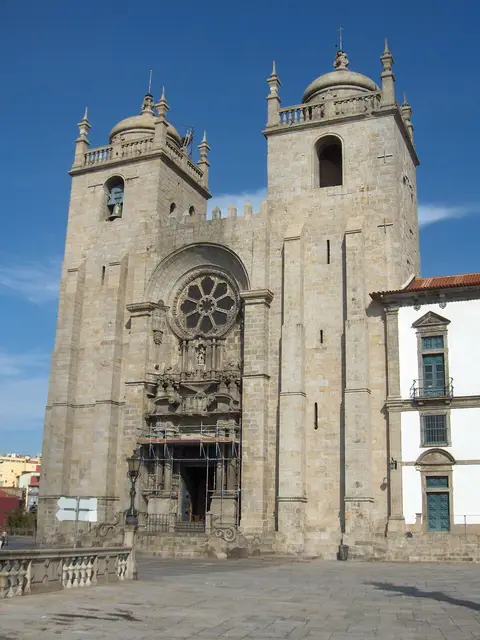 Historic sites01
Cathédrale de Porto
Terreiro da Sé · Porto○ Website● Phone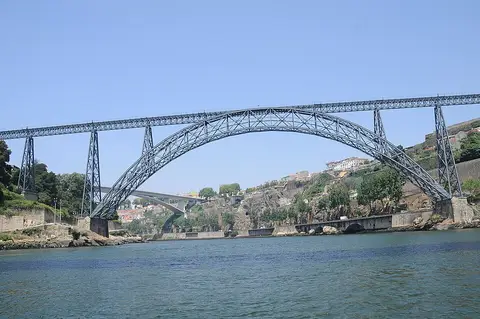 Historic sites02
Ponte Maria Pia
Av. De Gustavo Eiffel · Porto● Website○ Phone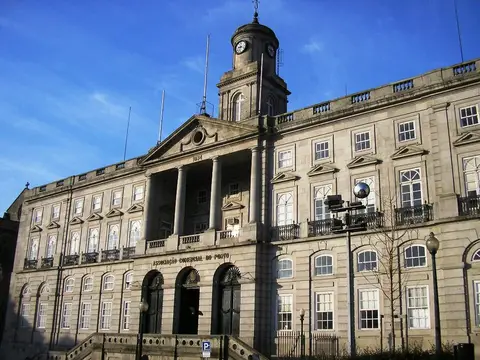 Monuments03
Palácio da Bolsa
Palácio da Bolsa, R. de Ferreira Borges 11 · Porto● Website● Phone Historic sites04
You need a free account to leave reviews and photos – that keeps comments genuine and lets you edit them later.