Discover Skopje: Old Bazaar, Statues and Matka
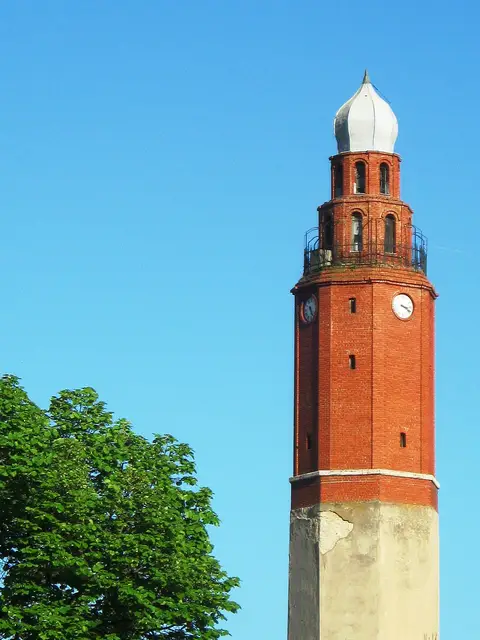
Travel guide · editorialAt Skopje's old train station, the hands of a clock have been stuck at 5:17 a.m. for decades, the moment an earthquake destroyed large parts of the city in 1963. A city trip to Skopje takes you to a capital full of contrasts: one of the largest Ottoman bazaars in the Balkans, a center filled with new monuments, the birthplace of Mother Teresa and a wild gorge right outside the city.
A City Rebuilt
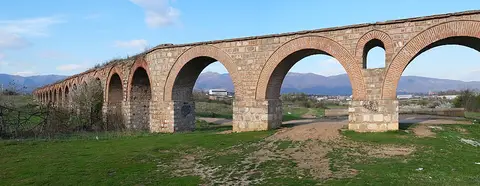
Skopje sits on the Vardar River and was already settled in Roman times as Scupi. For five centuries the city belonged to the Ottoman Empire, which you can still feel in the old town today. In 1910, Anjezë Gonxhe Bojaxhiu was born here, known to the world as Mother Teresa. The 1963 earthquake killed more than a thousand people, and the Japanese architect Kenzo Tange drew up a master plan for reconstruction that produced striking concrete buildings. Since independence in 1991, Skopje has been the capital of its own country, which has been called North Macedonia since 2019.
Sights in Skopje
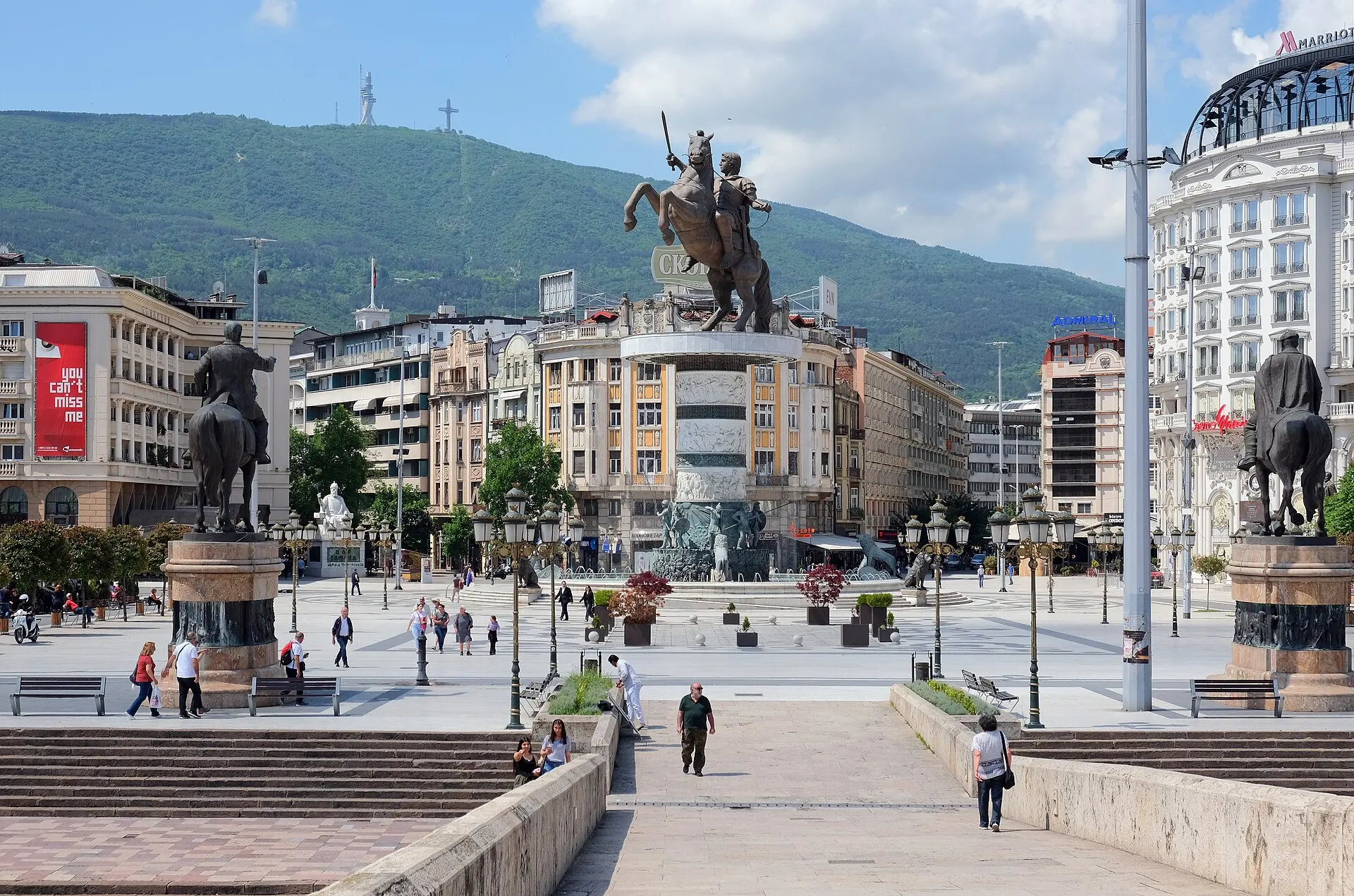
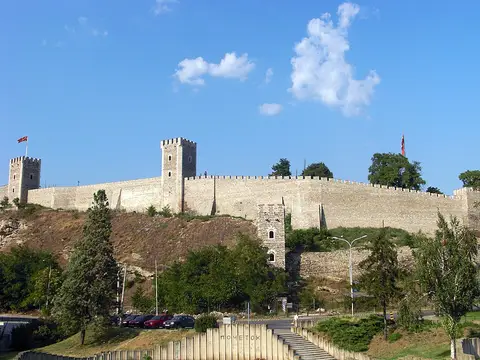
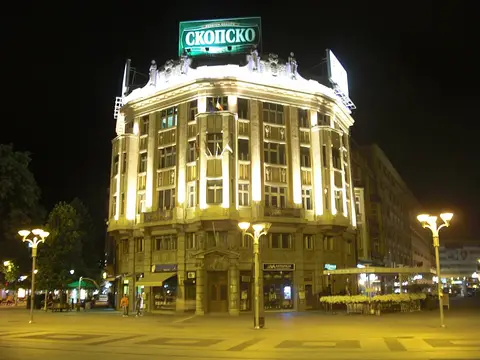
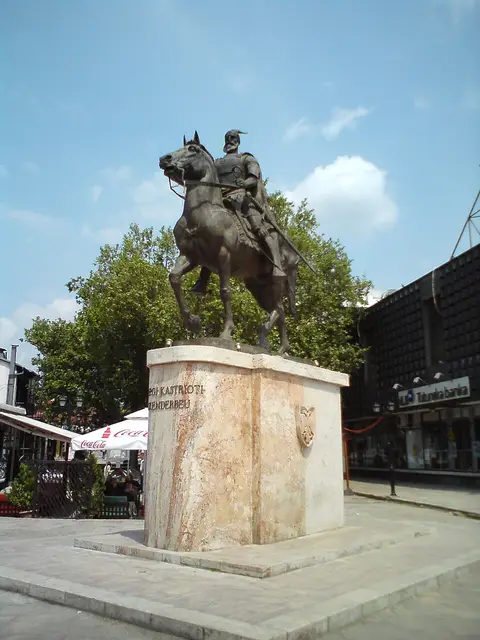
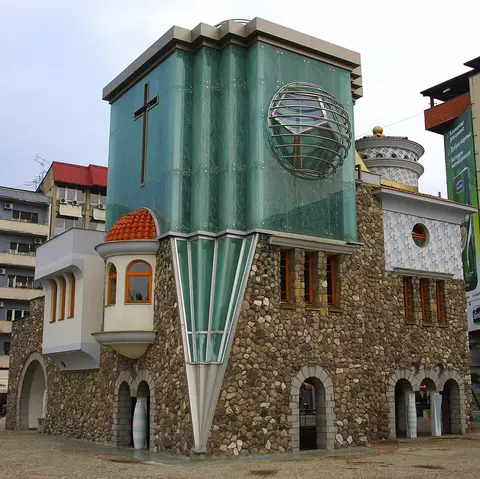
The 15th-century Stone Bridge connects Macedonia Square with the Old Bazaar. Under the controversial Skopje 2014 building program, dozens of statues, fountains and buildings with neoclassical facades went up on both banks, led by the huge equestrian statue "Warrior on a Horse," which depicts Alexander the Great. The Mother Teresa Memorial House stands on the site of the church where she was baptized. Kale Fortress towers above the old town, and its walls offer views across the city. The small Church of the Holy Saviour holds a magnificently carved walnut iconostasis, while the Museum of the Macedonian Struggle tells the story of the independence movements.
The Old Bazaar and Čair
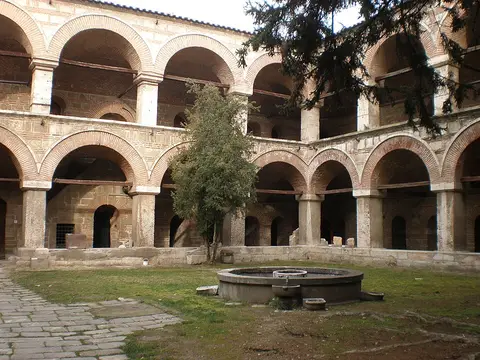
The Čaršija is one of the largest surviving bazaar districts in the Balkans, with narrow lanes, goldsmiths, tea houses and mosques. The 15th-century Mustafa Pasha Mosque, the Daut Pasha Hammam, now an art gallery, and the Kuršumli An caravanserai bear witness to the Ottoman golden age. Next door lies Čair, a predominantly Albanian neighborhood with lively markets. At Bit Pazar, the big market, you can buy fruit, vegetables and spices.
Eating and Going Out
Typical of Skopje is Tavče Gravče, baked beans in a clay pot, served with Shopska salad topped with grated sheep's cheese and ajvar, a pepper spread that many families put up in the fall. In the bazaar's ćevapi restaurants you can get grilled meat with flatbread. Macedonian wine, such as the red Vranec grape from the Tikveš region, and rakija round out the evening. The Debar Maalo area in the Centar district, with its kafanas, wine bars and restaurants, is the most popular gathering spot, while Karpoš is a lively residential neighborhood.
Day Trips, Getting There and Best Time to Visit
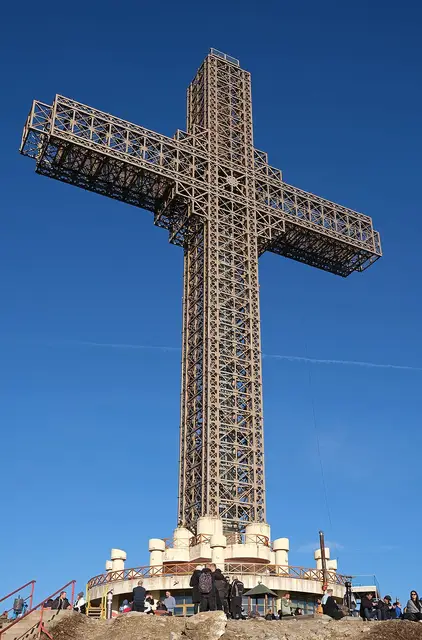
Just about 9 miles (15 km) to the southwest lies Matka Canyon, with a reservoir, monasteries and caves that you can explore by boat or kayak. A cable car runs up to Vodno, the city's local mountain, topped by the huge Millennium Cross. Skopje Airport is about 12 miles (20 km) to the east, and buses run into the city. The best times to visit are spring and fall; summers get very hot.