Borsod-Abaúj-Zemplén: Tokaj, Bükk and Caves
Travel guide · editorialA trip to Borsod-Abaúj-Zemplén County takes you to the mountainous northeast of Hungary, on the border with Slovakia. This is where the grapes for Tokaji wine grow, miles of stalactite caves wind beneath the Aggtelek Karst, and in Miskolc you can bathe inside a cave.
Landscape and Location
By area, the county is the second largest in the country and combines three historic regions, whose names it bears. In the west rises the Bükk Mountains, with beech forests, limestone plateaus, and a national park of their own. To the north lies the Aggtelek Karst, whose cave system, together with the Slovak part, is a UNESCO World Heritage Site; the Baradla Cave is about 25 kilometers (16 miles) long and can be entered at several points. To the east, the Zemplén Mountains and the river plains of the Bodrog and Tisza follow.
Sights in Borsod-Abaúj-Zemplén
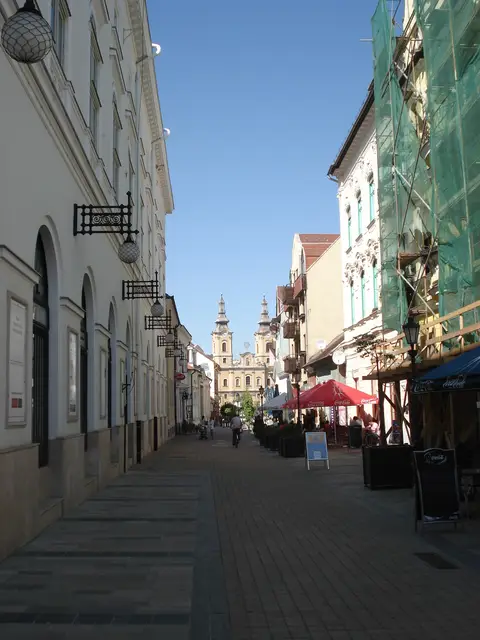
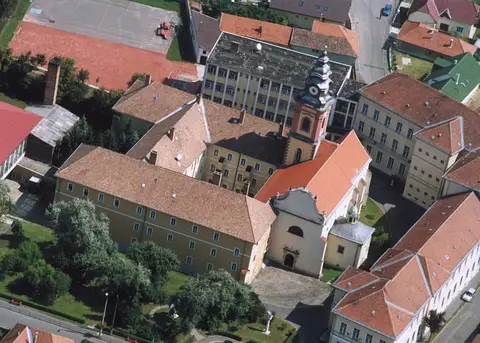
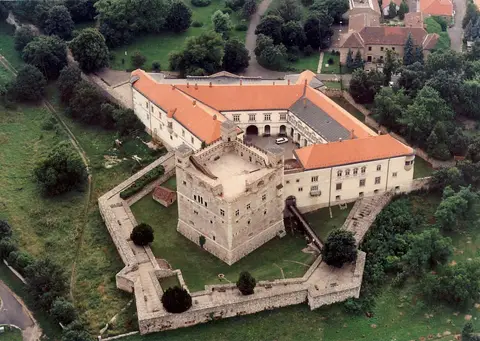
Miskolc, Hungary's third-largest city, was long a center of heavy industry. Today it is above all the district of Miskolctapolca that draws visitors, where the cave bath channels warm water through natural rock passages. In the Bükk you'll find Lillafüred, with a Neo-Renaissance-style castle hotel, a waterfall, and Lake Hámori; a narrow-gauge railway runs through the valley. On the way there stands Diósgyőr Castle, which was expanded in the 14th century under Louis the Great and has since been partly reconstructed. In Sárospatak, the Rákóczi Castle and the Reformed College, where Comenius taught in the 17th century, recall the region's role in the struggle against the Habsburgs. Sátoraljaújhely, near the border, has one of the longest summer toboggan runs in the country.
Tokaj and Its Wine
The Tokaj wine region cultural landscape is also a UNESCO World Heritage Site. On the slopes around the little town of Tokaj, at the confluence of the Bodrog and Tisza, Furmint and Hárslevelű grapes ripen and are made into the sweet Aszú wines. These use individually picked berries affected by noble rot. The barrels are stored in cool cellars covered in mold; many winemakers in Tokaj, Tállya, and Mád invite you to tastings. Louis XIV is said to have called Tokaji the king of wines and the wine of kings.
Folk Art, Cuisine, and Castles
Mezőkövesd is home to the Matyó people, whose colorful floral embroidery is part of UNESCO's intangible cultural heritage. Right next door is the Zsóry Bath, and in nearby Bogács another thermal bath bubbles up among wine cellars carved into tuff. The cuisine is dominated by kettle stews, bacon, bean soup, and mushrooms from the Bükk; a glass of Szamorodni from Tokaj goes well with it. Away from the well-known destinations, small towns are worth the drive. In Aggtelek and Jósvafő, the guided tours of the Baradla Cave begin; some last several hours and lead through halls with stalactites many meters high. The castle ruins of Boldogkőváralja sit spectacularly on a rock ridge above the Hernád Valley, and in Füzér on the Slovak border, a hilltop castle has been partly rebuilt. Ózd in the west recalls industrial history with its old ironworks, and some of the halls now serve as exhibition space.
Getting There and Best Time to Visit
Miskolc can be reached from Budapest in about two hours via the M30 motorway and is a rail hub. The best time to visit is between May and October; in fall the forests change color, and in Tokaj the harvest continues into November.