Baranya County: Pécs, Villány, and the Mecsek
Travel guide · editorialIn the far south of Hungary, on the border with Croatia, lies Baranya County with its Mediterranean-feeling climate. A vacation in Baranya County takes you to Pécs with its Roman and Ottoman traces, to the red wine country around Villány, and to the mask festival of Mohács.
Landscape in the South
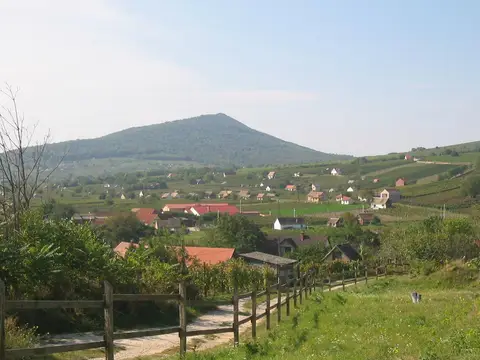
The Mecsek Mountains rise above Pécs, a forested ridge with almond and chestnut trees on the southern slopes. To the east the Danube forms the county's boundary, to the south the Drava, whose floodplain forests are part of the Danube-Drava National Park. In between lie gentle hills, small villages where Danube Swabians, Croats, and Serbs still live today, and the Villány Hills, a narrow limestone ridge covered in vineyards.
Sights in Baranya County
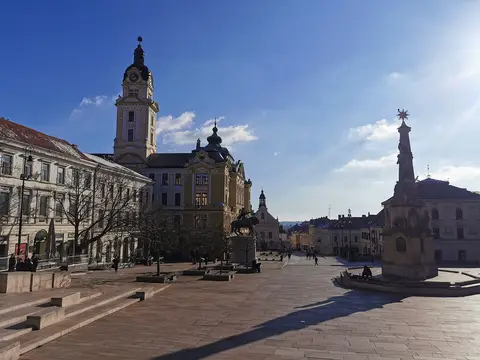
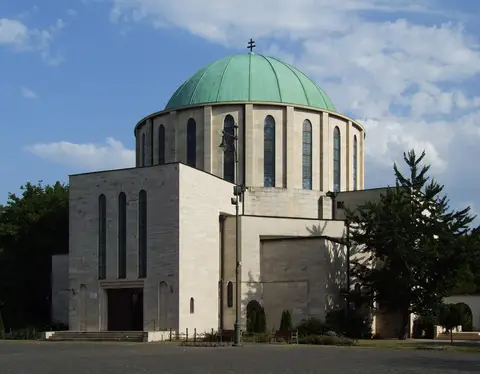
Pécs, known in German as Fünfkirchen, was called Sopianae in Roman times. The painted burial chambers of the Early Christian necropolis from the 4th century are a UNESCO World Heritage Site and can be visited underground. On the main square stands the former mosque of Pasha Gazi Kasim, now a Catholic church and a rare testament to Ottoman rule. The four-towered cathedral, the Zsolnay Cultural Quarter with works from the famous porcelain manufactory, and the Csontváry Museum round out the picture; in 2010 Pécs was a European Capital of Culture. At Mohács, the Hungarian army lost the battle against the Ottomans in 1526, a turning point in the country's history that a memorial site commemorates. Siklós has a well-preserved castle, and Harkány has one of the best-known thermal baths in the south.
Festivals and Excursions
Every year before Lent, Mohács turns into a town of the Busós: men in sheepskins and carved wooden masks parade through the streets with rattles and cowbells to drive away winter. The Busójárás is part of UNESCO's Intangible Cultural Heritage. In Orfű, north of Pécs, there are several small lakes where you can swim and paddle in summer; a well-known music festival takes place there in June. Abaliget has a stalactite cave you can walk through. West of Pécs lies Szigetvár, where Miklós Zrínyi and his garrison defended the fortress against Sultan Suleiman in 1566; the sultan died in his field camp during the siege. A Hungarian-Turkish friendship park now commemorates both sides. In Pécsvárad, a fortified monastery towers above the town, and the thermal bath of Harkány has been known since the 19th century for its sulfurous water, said to help with joint complaints.
Wine and Food
Villány, known in German as Willand, is Hungary's southernmost wine-growing region and is known for full-bodied red wines made from Cabernet Franc, Merlot, and Portugieser. The Villány–Siklós Wine Route connects family wineries and rows of cellars, such as in the neighboring village of Villánykövesd. The cuisine blends Hungarian, Swabian, and South Slavic influences, with fish soup made from Danube carp, Balkan-style grilled meat, and strudel. In Pécs, a visit to the Zsolnay Quarter is a must, where cafés and restaurants have moved into the old factory halls. In autumn, Villány celebrates the harvest with wine festivals and open cellars.
Getting There and Best Time to Visit
Pécs can be reached from Budapest in about two and a half hours via the M6 motorway, and trains run directly from the capital. The best time to visit starts as early as April, when the almond trees bloom, and lasts until October, when the grapes are harvested in Villány.