Discover Bremen: Roland, Schnoor, and the Weser
Travel guide · editorialA donkey, a dog, a cat, and a rooster, stacked one on top of the other in bronze next to City Hall: if you hold the donkey's front legs, your wishes are said to come true. Bremen, the old Hanseatic city on the Weser River, has kept its charm, with a magnificent market square, the winding Schnoor quarter, and a lively riverside promenade. A city break in Bremen is relaxed, easy to navigate, and surprisingly varied.
The Hanseatic League and the City-State
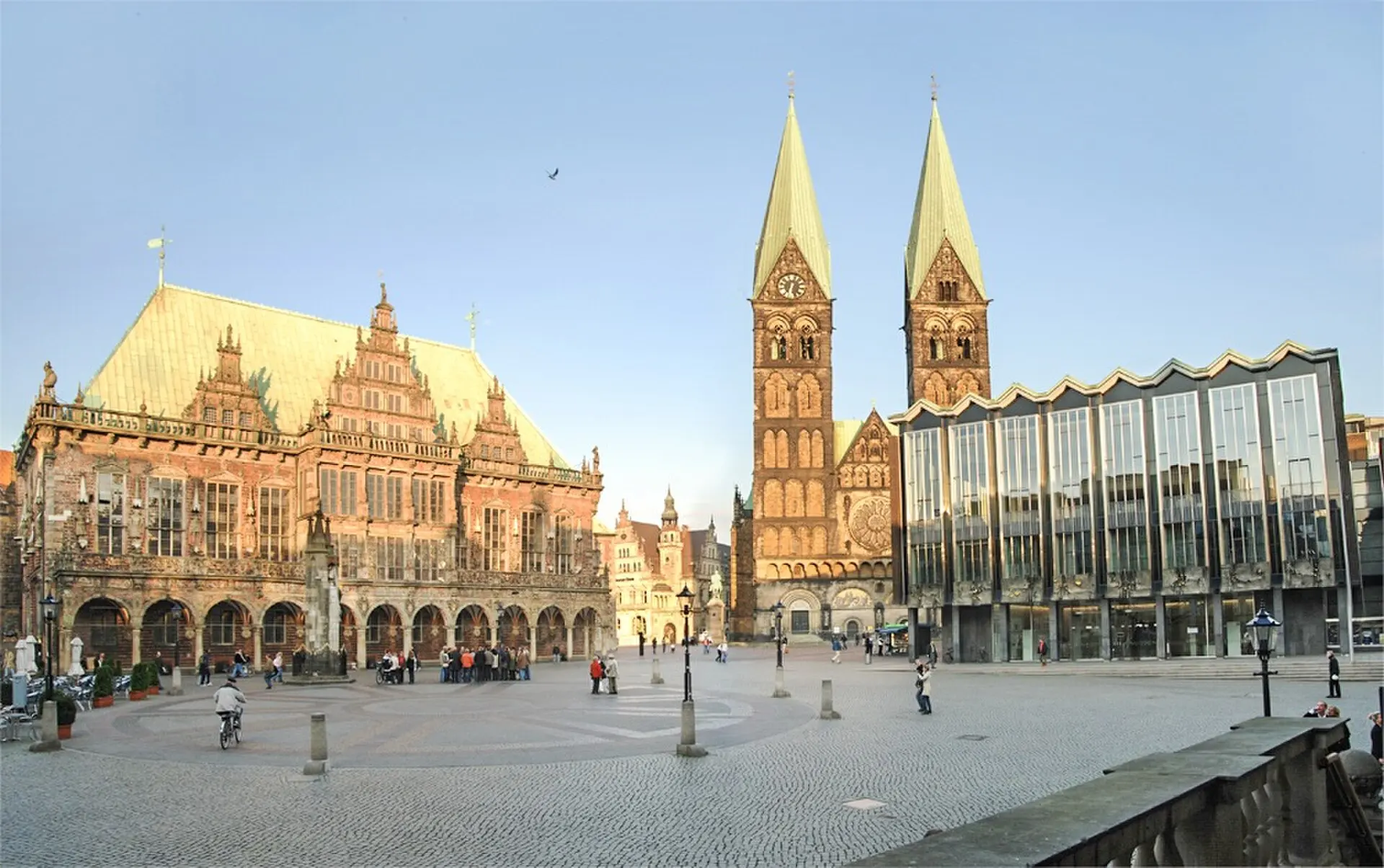
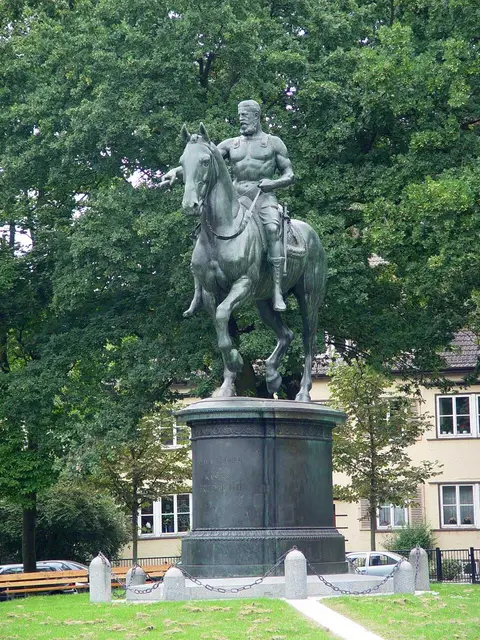
Bremen became a bishopric in 787, joined the Hanseatic League, and is still an independent state today, the smallest in Germany, together with Bremerhaven at the mouth of the Weser. Trade in coffee, tobacco, and cotton made its merchants wealthy. The Roland, a stone figure more than five meters (16 feet) tall on the market square, has stood since 1404 as a symbol of the city's freedom and market rights. Together with City Hall, it is a UNESCO World Heritage Site.
Sights in Bremen
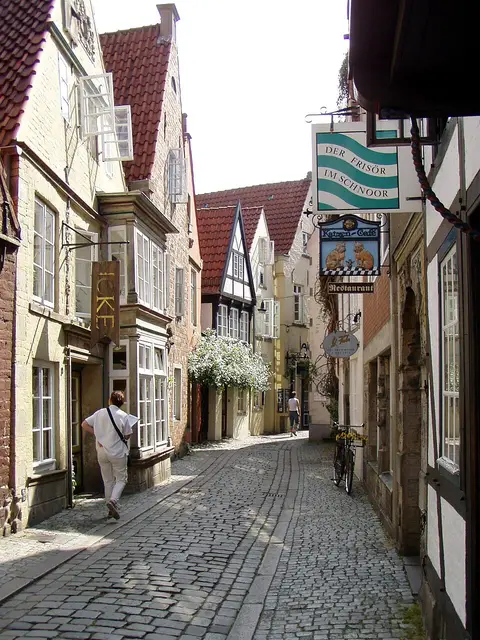
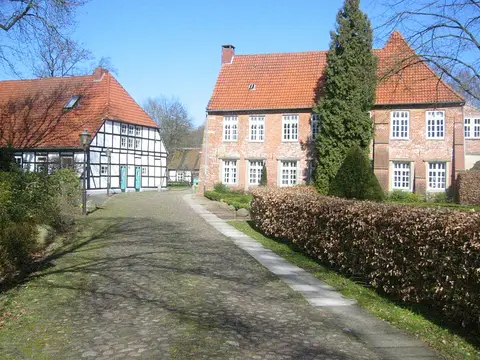
The Marktplatz is one of the most beautiful in Germany. City Hall has a magnificent Weser Renaissance facade, and the Ratskeller has been storing wines for centuries. St. Peter's Cathedral, with its Lead Cellar, where you can see mummified bodies, stands next door. The Böttcherstraße, designed in the 1920s by coffee merchant Ludwig Roselius as an Expressionist total work of art, is home to a carillon made of Meissen porcelain and the Paula Modersohn-Becker Museum. In the Schnoor, the oldest quarter in the city center, small houses from the 15th to 18th centuries huddle along narrow alleys. The Schlachte, a riverside promenade with beer gardens and boats, runs along the Weser.
Museums and Neighborhoods
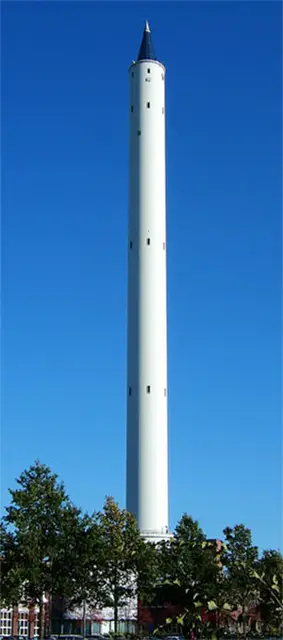
The Kunsthalle Bremen shows works from Dürer to the present day, and the Übersee-Museum presents cultures from around the world. Universum Bremen is an interactive science museum. The "Viertel," made up of Ostertor and Steintor in the Östliche Vorstadt, is full of pubs, cafés, and small shops, while student life centers on the Neustadt on the left bank of the Weser. Schwachhausen, with its Bremer Häuser from the Gründerzeit era, is a middle-class residential neighborhood. In Walle and Gröpelingen, old harbor facilities bear witness to the city's industrial history.
Eating in Bremen
Bremen cuisine is hearty: in winter, there is kale with Pinkel, a smoked groats sausage; the Kohlfahrten, hikes with a hand cart and schnapps, end at an inn. Knipp, another groats sausage, Labskaus, and fish are also on the menus. Bremen is also a coffee city, and the Beck's brewery sits on the banks of the Weser.
Getting Around and Best Time to Visit
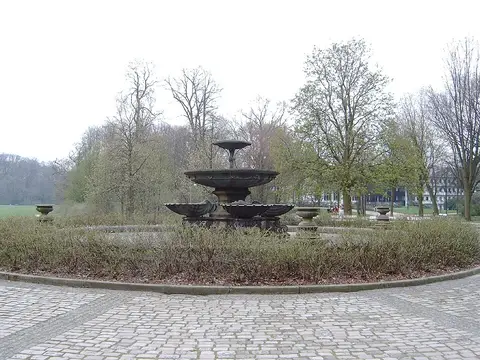
The airport lies just a few kilometers to the south, and the tram takes about eleven minutes to reach the center. Trams and buses cover the city, and commuter trains serve the surrounding area. The best time to visit is from May to September; in October the Freimarkt takes place, one of Germany's oldest folk festivals, and in Advent the Christmas market and the Schlachte-Zauber. Excursions lead to Bremerhaven with the German Emigration Center and the Klimahaus, to the artists' colony of Worpswede, where Paula Modersohn-Becker and Heinrich Vogeler painted around 1900, and to the Blockland, a flat meadow landscape on the edge of the city that is best explored by bike. Bremen is considered one of Germany's most bike-friendly large cities anyway. If you are looking for nature in the city, you will find it in the Bürgerpark, a large landscaped park near the main train station, and in the Wallanlagen with the Mühle am Wall, which line the old city moat.