About Le cratère AZF
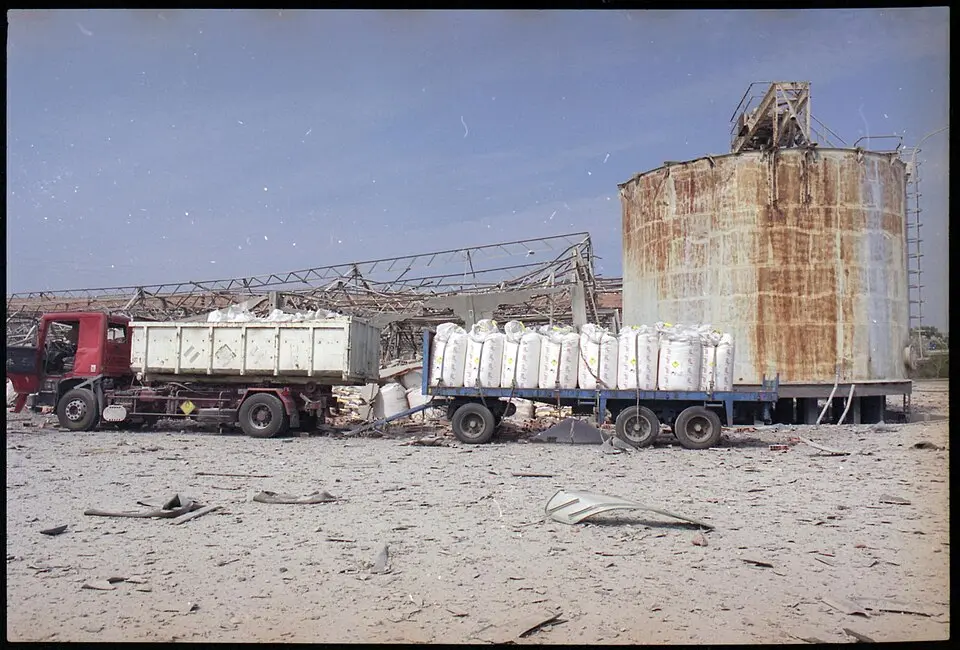
The site that is now home to the international cancer research center Oncopole de Toulouse is historically marked by the devastating industrial disaster of 2001. On September 21 of that year, a large quantity of ammonium nitrate exploded at the AZF fertilizer factory, which belonged to the TotalFinaElf group. The blast, equivalent to a magnitude 3.4 earthquake, tore a deep crater into the factory grounds and damaged large parts of the city of Toulouse. The shock wave hurled vehicles through the air, destroyed buildings, and shattered thousands of windows. In all, 31 people lost their lives and several thousand more were injured. The exact cause of the accident was never conclusively determined; theories ranged from a spontaneous chain reaction to a possible terrorist attack or the release of toxic fumes from a neighboring rocket factory.
The plant had originally been built outside the city, but Toulouse's rapid growth had left the industrial zone surrounded by residential neighborhoods. The warehouses, built in the 1920s, had considerable safety deficiencies. They lacked temperature and humidity sensors as well as video cameras to monitor the stored materials. There were also no protective barriers to separate the hazardous substances and no specific emergency plans for explosion accidents. State inspectors had not adequately checked the warehouses in the years before the disaster. The tragedy led to a comprehensive review of safety standards in the region and marked a turning point in the history of local industry.
After the disaster, the AZF company was shut down and the entire factory site was decontaminated. The buildings that were still standing were demolished to make room for a new project. Out of various proposals for redeveloping the area, the idea of then-mayor Philippe Douste-Blazy to build a cancer research center was chosen. The Oncopole de Toulouse opened on May 5, 2014, and today serves international medical research. For visitors, the site is now known above all as a modern science hub that recalls the dark past of the industrial disaster while also offering a glimpse into the future of medicine.
At a glance
- Category
- Sight › Monuments
- Rating
- no reviews yet · write a review
- Address
- —
Toulouse, France - District
- Saint-Simon / Lafourguette / Oncopole - Campus Santé du Futur
- Phone
- —
- Website
- —
- —
- Coordinates
- 43.56705° N · 1.42738° E
- Data quality
- confidence 0.55
- Identifier
- ID 41ef4314-56c…
Location & surroundings
Toggle layersRatings & comments
none yetNear Le cratère AZF
closest 5 per category · 2 kmMuseums
None within 2 km.
Hotels
Cocktail bars
None within 2 km.
More:Monuments in Toulouse (30)All sights in Toulouse (119)
75 places within 2 km loaded.
Don't miss in Toulouse
All sights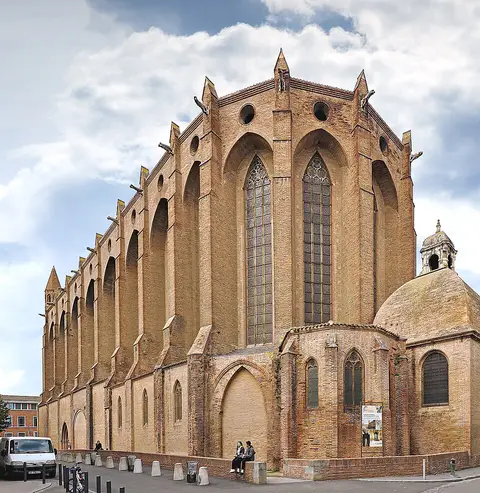 Monuments01
Couvent des Jacobins
Couvent des Jacobins, 10 Pl. des Jacobins · Toulouse● Website● Phone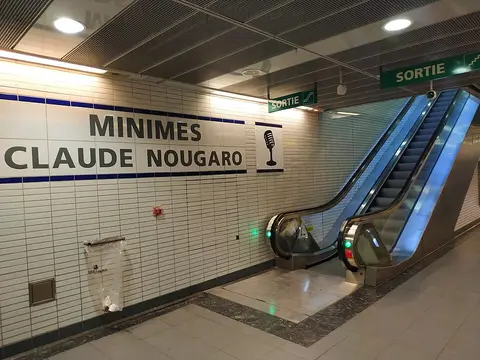 Historic sites02
Minimes – Claude-Nougaro
88 Avenue des Minimes · Toulouse○ Website● Phone Historic sites03
Rangueil
rue Henri Vallée · Toulouse● Website● Phone Historic sites04
You need a free account to leave reviews and photos – that keeps comments genuine and lets you edit them later.